


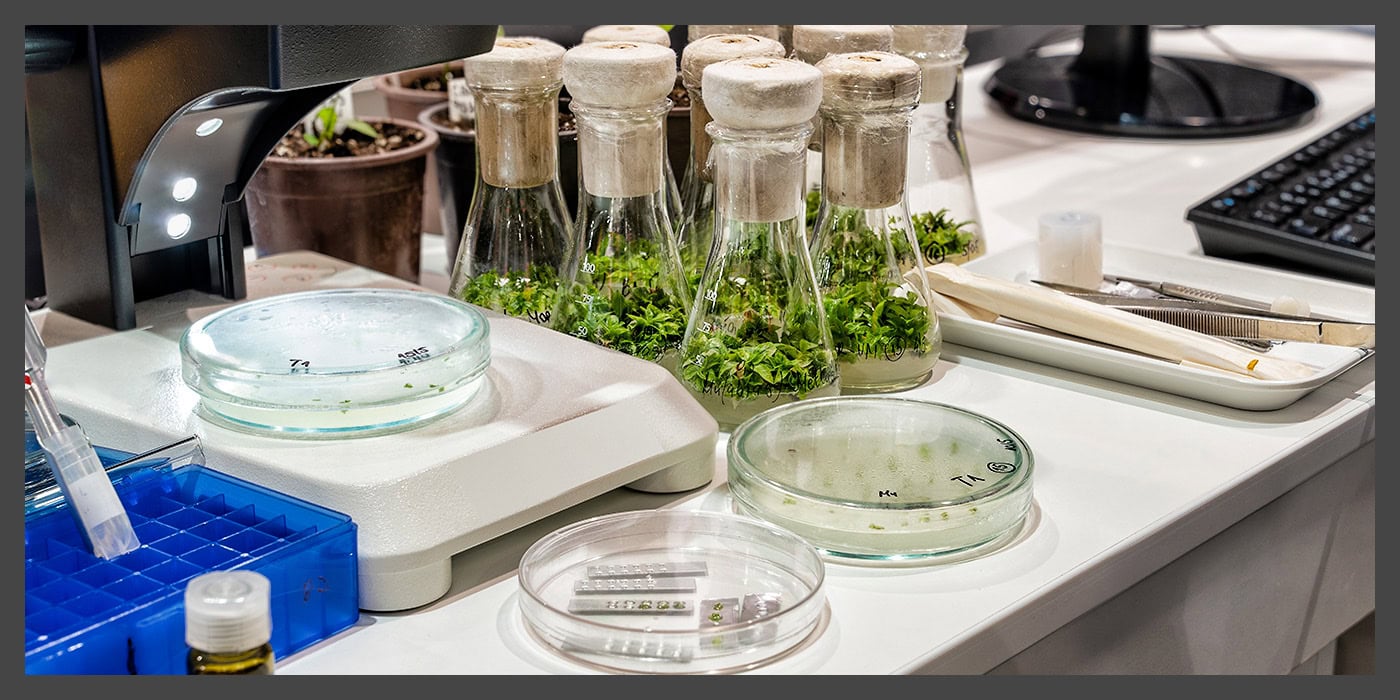
The USDA’s regulatory framework for GMOs is not only outdated, it was woefully inadequate to begin with.
On May 15, the USDA posted a Request for Information (RFI) to “solicit the public’s input on regulatory considerations related to genetically modified organisms subject to the Plant Protection Act.” The public comment docket was closed for comment on June 15.
However, the USDA failed to meaningfully notify the public that the agency had opened the public comment period. GMO/Toxin Free USA (GTFU) and many supporters submitted comments requesting the USDA re-open the docket for an additional 30 days. Now, we wait to see if the USDA re-opens the docket.
Despite learning about USDA’s RFI last-minute and having less than a week to draft a submission, the GTFU team managed to submit a meaningful technical comment. In the event the USDA ignores calls to re-open the docket, we focused on submitting our formal document by the deadline, as the issue of GMO regulation is of vital importance.
The USDA’s regulation of genetically modified organisms (GMOs) is outdated and not based on the full breadth of peer-reviewed science, knowledge, and experiences that exists since the advent of the first widely planted and commercialized GMO crops in the mid-1990s.
Historical and Regulatory Context
The U.S. regulatory framework for GMO crops was formally established by the Reagan administration in 1986 with the creation of the Coordinated Framework for Regulation of Biotechnology, which describes the Federal system for evaluating products developed using modern biotechnology.
The government agencies responsible for oversight of the products of agricultural biotechnology are the USDA’s Animal and Plant Health Inspection Service (USDA-APHIS), the Environmental Protection Agency (EPA), and the Department of Health and Human Services’ Food and Drug Administration (FDA). Depending on its characteristics, a product may be subject to the jurisdiction of one or more of these agencies.
In 1987, George H.W. Bush, who was Vice President at the time, toured Monsanto’s labs with a news crew to promote the herbicide-tolerant GMO crops the corporation was developing. The film, The World According to Monsanto, documented that White House hardliners wanted to boost industry by eliminating bureaucratic hurdles like health and environmental safety testing, which were Monsanto’s key problems to launching open-air field trials and wide commercialization. At the time, VP Bush said, “Call me. We’re in the ‘dereg’ business.”
But it would be a decade later, during the Clinton administration, before the first GMO crop, Monsanto’s glyphosate-tolerant Roundup Ready soybeans, would be planted by conventional farmers. The Reagan, Bush, and Clinton administrations all paved an easy road for the GMO crops and the herbicide monsoon that followed, and continues to plague us today.
Secretary of Agriculture under President Clinton, Dan Glickman, stated, “What I found in the early years I was involved in the regulation of biotechnology was that there was a general feeling in agribusiness and inside our government in the U.S. that if you weren’t marching lock-step forward in favor of rapid approvals of biotech products, rapid approvals of GMO crops, then somehow you were anti-science and anti-progress. I think that frankly there were a lot of folks in industrial agriculture who didn’t want as much analysis as probably we should have had because they had made a huge amount of investments in the product. I think that, and certainly when I became secretary, given the fact that I was in charge of the department regulating agriculture, I had a lot of pressure on me not to push the issue too far, so to speak. But I would say even when I opened my mouth in the Clinton Administration I got slapped around a little bit by not only the industry but also some of the people in the administration. In fact, I made a speech once saying that we needed to more thoughtfully think through the regulatory issues on GMOs and I had some people within the Clinton Administration, particularly in the U.S. trade area, that were very upset with me. They said, ‘how could you in agriculture be questioning our regulatory regime?’”
Specifically, USDA regulations for genetically modified plants have largely been a facade since the beginning, focusing on a single question before approving a GMO crop: Does it pose a plant pest risk to other plants?
By focusing almost exclusively on this narrow question, USDA enacted a regulatory regime purposely designed to miss the bigger picture. The most widely planted GMO crops are engineered to tolerate herbicides, and these crops are designed to be used with those chemicals. An herbicide-tolerant GMO seed is not planted in isolation—it is part of a system that drives herbicide use.
Therefore, the scientifically sound question should be: does this GMO plant pose a risk to other plants, animals, human health or the environment if used as intended, with the herbicides? If this were the case, herbicide-tolerant GMO crops would not be approved, as there have been tens of thousands of documented cases of herbicide-tolerant crops causing damage to neighboring non-GMO farms, orchards, home gardens, and native trees across the U.S. due to herbicide drift, as well as threats to human health, endangered species, pollinators, and our environment.
Today, genetic engineering in agriculture extends far beyond the herbicide-tolerant and insecticidal GMO crops that first entered the market. New techniques such as gene editing and synthetic biology are being used to create an expanding array of genetically engineered plants, animals, and microbes for use in farming, food production, and environmental applications. Many of these organisms are entirely novel, yet they are often reviewed under regulatory frameworks that were developed decades ago and were never designed to address the unique risks and complexities of these emerging technologies.
The USDA’s opening of public dialogue concerning what future GMO regulations might look like is welcome. The current administration often touts that it bases its regulatory decisions on “gold standard science.” Along these lines, GTFU is urging the USDA to update its GMO regulations based on the facts and best available science.
GTFU’s full formal submission to the USDA is below…
USDA Comment Tracking Number mqf-qa72-43qv
GMO/Toxin Free USA comments on Modified Organisms Subject to the Plant Protection Act: Response to RFI on Genetically Engineered Organisms and Potential Shift from 7 CFR Part 340 to Part 330
Document ID USDA-2026-0133-0001
Submitted by GMO/Toxin Free USA, PO Box 8273, New Fairfield, CT 06812
Date: 06/15/2026
CONTENT OUTLINE
Brief Summary
- Core Conclusion: GE organisms present novel risks; USDA should retain and strengthen Part 340, not shift to Part 330.
1. GE Organisms Present Materially Different Plant Pest Risks
- 1.1 Viral recombination
- 1.2 Horizontal gene transfer
- 1.3 Unintended gene activation
- 1.4 RNA interference effects
- 1.5 Continuous toxin expression
2. Part 330 Is Not a Suitable Replacement for Part 340
- 2.1 Legal mismatch
- 2.2 Missing performance standards
- 2.3 Scientific credibility and trade implications
- 2.4 Concerns regarding regulation of GE microbes (e.g., Pseudomonas, Agrobacterium)
3. What USDA Should Do Instead
- 3.1 Keep a distinct regulatory pathway for GE organisms
- 3.2 Strengthen Part 340 with specific requirements (molecular data, non-target assessment, etc.)
- 3.3 Define the “reason to believe” standard
- 3.4 Establish a post-market monitoring program
4. Conclusion and Initial Recommendations
- 4.1 Reject the use of Part 330
- 4.2 Retain a distinct regulatory approach
- 4.3 Strengthen Part 340
Option 1: Complete Ban on Outdoor Release (Proposed Regulatory Language)
- New §340.100 – Findings and Purpose (including novel risks and failure of containment)
- New §340.101 – Definitions (“Outdoor release,” “Contained facility,” “Contained greenhouse”)
- New §340.102 – Prohibition on Outdoor Release (including prohibited activities, phase-out)
- New §340.103 – Transportation Containment Requirements (prohibited vehicle types, secondary containment)
- New §340.104 – Contained Greenhouse Standards (certification, inspection)
- New §340.105 – Commercial Use Permits (confined to enclosed facilities)
- New §340.106 – Research and Development Permits (confined to enclosed facilities)
- New §340.107 – Enforcement and Penalties (civil and criminal)
- New §340.108 – Relation to Other Regulations
Option 2: Amend 7 CFR 340 to Strengthen Risk Assessments (If Ban Not Implemented)
I. Executive Summary
II. Materially Different Plant Pest Risks: GE vs. Conventional
- A. Differences in Genetic Change (comparison table)
- B. Novel Plant Pest Risks (HGT, viral recombination, unintended expression, RNAi, heterologous toxins)
III. Specific Case Studies of Materially Different Risks
- Case 1: ProdiGene (Pharmaceutical corn contamination)
- Case 2: Starlink Corn (Allergenicity and supply chain contamination)
- Case 3: Epicyte Corn (Pharmaceutical antibodies)
- Case 4: Herbicide-Resistant Creeping Bentgrass (Gene flow creating resistant weeds)
- Case 5: Enogen Corn (Contamination of food-grade white corn via pollen-mediated gene flow)
- Case 6: Klebsiella planticola (GE soil bacterium that killed wheat)
- Case 7: Mousepox Virus (Accidental hyperlethal bioweapon creation)
- Cases 8-23: Global Epidemic of Glyphosate-Resistant Weeds (Palmer amaranth, horseweed, kochia, etc.)
- Summary Table of GE Examples
IV. Opposing the Use of 7 CFR Part 330 Instead of Part 340
- A. Legal Analysis
- B. Practical & Scientific Problems (e.g., no “reason to believe” standard, no tailored performance standards)
- C. USDA’s Selection Bias in Experience
V. Recommendation
- Strengthen Part 340 with amendments, post-market monitoring, and public docket.
VI. Weaknesses of Current 7 CFR Part 340 & Ways to Strengthen
- Summary Table of Key Weaknesses (Sections 340.3, 340.2, 340.1, etc.)
- Detailed Expansion of Weaknesses:
- Weakness 1: Inadequate Molecular Characterization (requires multiomics)
- Weakness 2: Inadequate Nontarget/Trophic Testing (bioaccumulation, multi-life-stage)
- Weakness 3: Inadequate Viral Sequence Risk Assessment (recombination, dual-use)
- Weakness 4: Inadequate Persistence/Gene Flow Data (pollen dispersal, HGT via electroporation)
- Weakness 5: Weak Post-Release Monitoring (no independent verification)
- Weakness 6: No Cumulative/Landscape-Level Risk Assessment
- Weakness 7: Broad Microbial Exemption (e.g., E. coli K-12)
- Weakness 8: No Environmental DNA (eDNA) Monitoring
- Weakness 9: “Reason to Believe” Standard Undefined (needs objective triggers)
- Weakness 10: CBI Without Independent Review (including research suppression)
- Weakness 11: Plant-Centric Definition of “Regulated Article” (fails to capture novel risks)
- Weakness 12: No Specific Pathway for GE Microbes
- Weakness 13: Inadequate Container Requirements for Microbes
- Weakness 14: No Environmental Fate Assessment for GE Microbes
- Weakness 15: No Assessment of Microbiome Disruption
- Expanded Weaknesses 16-26 (Plant pest basis, pesticide assessment, multiomics, toxins, feeding studies, allergenicity, synthetic biology, labeling, notification, CBI)
- Draft Regulatory Language for Fixes (Amending 7 CFR Part 340)
- New §§340.20–340.26 (Multiomics, toxins, feeding studies, allergenicity, synbio, labeling)
- New §§340.30–340.35 (Bioaccumulation risk assessment, aquatic environments, trophic transfer, dragonfly/frog studies, human health, field monitoring)
- New §§340.36–340.40 (PMGF assessment, soil microbe testing, viral testing, herbicide resistance risks, Bt resistance risks)
- New §§340.41–340.45 (Long-term animal feeding studies, health surveillance, labeling, COI disclosure)
- New §340.46 (Specific requirements for CRISPR/Cas organisms)
- New §§340.47–340.49 (Continuous pesticide expression risks, control group feed requirements, immunotoxicological testing)
- New §340.50 (Economic risk assessment required)
Section: The GTS 40-3-2 Soy Case Study (Systematic Review of Long-Term Health Effects)
- Findings: 100% of long-term studies reported adverse effects (liver, kidney, reproductive, transgenerational).
- Implication: 90-day studies are inadequate; narrative reviews (e.g., NASEM) are incomplete.
Section: Medical & Public Health Consensus on GE Foods (Systematic Review of 123 Groups)
- Findings: 74% insufficient evidence of safety; 95% support mandatory labeling; conflicts of interest skew pro-GMO conclusions.
Section: The Unique Risks of CRISPR/Cas Gene Editing
- Risks: Off-target effects, large genomic rearrangements, foreign DNA integration, functional Cas9 enzyme in food.
- Requirement: Long-read sequencing, multiomics, allergenicity testing, labeling.
Section: The Unique Risk of Continuous Pesticide Expression (e.g., Bt Crops)
- Novel risks: Continuous exposure, bioaccumulation, trophic transfer, immunogenicity.
- Proposed testing: Trophic transfer, chronic non-target feeding, mammalian multi-generational studies, pollen/nectar exposure.
Section: Economic Risks from GE Contamination (The GM Contamination Register)
- Documented losses: Liberty Link rice ($421M), StarLink corn ($100M+), organic farmer losses ($6.1M).
- Proposed amendment: §340.50 – Economic risk assessment, detection methodology, liability plan.
Appendix: References (Citations 1-281)
BRIEF SUMMARY:
We are writing in response to USDA’s Request for Information regarding whether genetically engineered (GE) organisms present materially different plant pest risks compared to conventionally developed organisms, and whether the agency should shift regulation from Part 340 to Part 330.
Our conclusion: GE organisms do present materially different and novel risks. USDA should continue to distinguish between GE and conventional organisms. Part 330 is not a suitable replacement for Part 340. Instead, Part 340 should be strengthened.
1. GE Organisms Present Materially Different Plant Pest Risks
USDA states that its experience to date has not identified meaningful differences in risk profiles. However, this conclusion is not supported by the scientific literature or by the basic biology of genetic engineering.
Conventional breeding moves genes between sexually compatible plants. Genetic engineering can move genes from viruses, bacteria, animals, or entirely synthetic sources into plants. This creates novel risks that conventional breeding cannot produce:
- Viral recombination: GE plants expressing viral genes can recombine with natural viruses to create new, more harmful viruses. This has been demonstrated in peer-reviewed research on virus-resistant crops. Conventional plants do not carry such viral sequences. (1)
- Horizontal gene transfer: GE plants may contain antibiotic resistance genes or other sequences from bacteria. These could transfer to soil microbes, potentially creating new plant pathogens. This risk does not exist with conventional plants. (2)
- Unintended gene activation: Inserting strong promoters randomly into a plant genome can turn on hidden genes that produce toxins or plant-damaging enzymes. Conventional breeding does not randomly insert promoters. (3,4,5)
- RNA interference effects: Some GE plants produce artificial RNA molecules that silence pest genes. These RNAs can affect beneficial insects or soil organisms in ways that cannot happen with conventional plants. (221)
- Continuous toxin expression: GE plants engineered to produce insecticidal toxins (e.g., Bt) express those toxins in all tissues, including pollen and nectar. This creates continuous exposure for non-target organisms that does not occur with conventional plants or even with sprayed Bt. (6-68)
These are not theoretical concerns. They are documented in peer-reviewed studies.
2. Part 330 Is Not a Suitable Replacement for Part 340
USDA asks whether GE organisms could be regulated under Part 330 (general plant pest regulations) instead of Part 340. We strongly oppose this change for several reasons:
Legal mismatch. Part 330 is designed for organisms that are already known to be plant pests. But many GE organisms are not plant pests themselves—they contain sequences that might create plant pest risks through recombination, horizontal transfer, or unintended expression. Part 330 provides no clear authority for precautionary review of such potential risks.
Missing performance standards. Part 340 includes specific performance standards for field trials (e.g., preventing persistence, managing volunteers). Part 330 contains generic containment requirements that are not well-suited to GE plant field research.
Scientific credibility and trade. Many other countries have GE-specific regulations. Moving to a general plant pest rule would create confusion for international collaboration and trade, potentially leading to non-tariff barriers.
We are also responding to concerns raised in recent legal commentary regarding the regulation of genetically engineered microbes and biological products under 7 CFR Part 340.
While Part 340 was historically applied primarily to plants, its statutory authority under the Plant Protection Act and its existing definitions of “organism,” “plant pest,” and “regulated article” clearly encompass genetically engineered microbes. Examples include GE Pseudomonas, Agrobacterium, Fusarium, and even E. coli expressing plant-pest genes.
However, Part 340 currently lacks microbe-specific provisions for environmental fate assessment, horizontal gene transfer risk, microbiome impacts, and alternative containment for spores or lyophilized formulations. These gaps should be filled by amending Part 340 – not by abandoning Part 340 and moving GE organisms to Part 330.
3. What USDA Should Do Instead
Do not move GE organisms to Part 330. Instead, retain and strengthen Part 340.
Specifically, USDA should:
- Keep a distinct regulatory pathway for GE organisms that reflects their novel risk profile.
- Strengthen Part 340 by requiring basic molecular data for notification (e.g., evidence of stable integration), nontarget organism assessments, viral recombination risk analysis, persistence and gene flow data, and post-release monitoring.
- Define the vague “reason to believe” standard with objective scientific criteria.
- Establish a modest post-market monitoring program for GE organisms to detect unexpected plant pest effects.
4. Conclusion
USDA has an opportunity to improve its regulation of GE organisms, but moving to Part 330 would be a step backward. Part 330 is legally, scientifically, and practically inadequate for the novel risks that GE organisms present. Part 340, despite its flaws, provides the right framework—one that should be strengthened, not abandoned.
We urge USDA to:
1. Reject the use of Part 330 for GE organisms.
2. Retain a distinct regulatory approach for GE organisms.
3. Strengthen Part 340 with science-based improvements.
4. Acknowledge that GE organisms can present materially different plant pest risks from conventionally developed organisms.
In light of this information we urge the USDA to amend 7 CFR 340 to institute Option 1: a complete ban on the outdoor release of all GMOs with the reasoning that they pose novel risks compared to conventionally developed organisms and cannot be contained. (69-89) All GE organisms would be, therefore, confined to enclosed spaces such as laboratories, greenhouses, etc. and transportation of genetically engineered organisms would require contained vehicles, banning trucks, trains, etc. that have open roofs or unstable roofs, e.g, tarps, that would allow GE organisms to easily escape during transport.
Draft Regulatory Language – Ban on Outdoor Release of GE Organisms
The following sections amend 7 CFR Part 340 to add a complete prohibition on outdoor release.
New §340.100 – Findings and Purpose
§340.100 Findings and purpose.
(a) Findings. The Administrator finds that:
(1) Genetically engineered (GE) organisms present novel risks compared to conventionally developed organisms, including but not limited to:
(i) Horizontal gene transfer to non-target organisms via pathways that do not exist for conventional organisms, including electroporation-mediated transfer from environmental DNA (eDNA) in aquatic environments via lightning strikes, electric eels, and electrofishing;
(ii) Bioaccumulation and trophic magnification of transgenic proteins in food webs, affecting predators, endangered species, and potentially humans;
(iii) Recombination with wild viruses to create novel plant pathogens;
(iv) Unintended insertional mutagenesis and pleiotropic effects that cannot be predicted from the intended modification;
(v) Gene flow to wild and weedy relatives, creating herbicide-resistant weeds and other pest plants;
(vi) Persistence of transgenes in the environment, including in soil, water, and sediment, with unknown long-term ecological effects;
(vii) Allergenicity and toxicity risks from novel proteins that have no conventional comparator.
(2) GE organisms cannot be reliably contained in outdoor environments. Field trials, commercial cultivation, and any other outdoor release inevitably result in:
(i) Pollen dispersal beyond containment boundaries (documented dispersal distances exceeding 21 km for some species);
(ii) Seed dispersal via wind, water, animals, and agricultural machinery;
(iii) Volunteerism and persistence in subsequent growing seasons;
(iv) Gene flow to sexually compatible wild or weedy relatives;
(v) Entry of transgenes and transgenic proteins into aquatic ecosystems via runoff, leaf litter, and root exudates.
(3) Past incidents have demonstrated the failure of outdoor containment measures, including:
(i) Starlink corn contamination of the human food supply, affecting nearly 10% of U.S. grain;
(ii) ProdiGene pharmaceutical corn contamination of over 500,000 bushels of soybeans;
(iii) Unauthorized release of GE creeping bentgrass with pollen dispersal over 21 kilometers;
(iv) Detection of Bt toxins in aquatic organisms far from Bt corn fields.
(4) The precautionary principle, as reflected in the Plant Protection Act’s mandate to prevent the introduction and spread of plant pests, requires that where there is uncertainty about the magnitude of potential harm, regulatory action shall err on the side of protecting plant health, human health, animal health, and the environment.
(b) Purpose. The purpose of this subpart is to:
(1) Prohibit the outdoor release of all GE organisms;
(2) Require strict physical containment of GE organisms within enclosed facilities;
(3) Establish containment standards for transportation of GE organisms;
(4) Permit commercial use of GE organisms only within enclosed greenhouses or other approved enclosed facilities;
(5) Ensure that no GE organism, transgene, or transgenic protein enters the outdoor environment.
New §340.101 – Definitions (Additions)
§340.101 Definitions specific to this subpart.
Outdoor release means any introduction of a GE organism that is not within a contained facility as defined in this section, including but not limited to:
(1) Planting or cultivation in open fields, farms, or gardens;
(2) Release into any water body (including streams, rivers, ponds, lakes, wetlands, irrigation canals, ditches, or ephemeral water bodies);
(3) Release into soil not enclosed within a contained facility;
(4) Release into the atmosphere;
(5) Any other introduction that is not within the physical boundaries of a contained facility.
Contained facility means a physical structure that prevents the escape of GE organisms, transgenes, and transgenic proteins into the outdoor environment.
Contained facilities include:
(1) Biosafety Level 2 (BSL-2) or higher laboratories meeting the requirements of the Centers for Disease Control and Prevention’s Biosafety in Microbiological and Biomedical Laboratories (BMBL);
(2) Contained greenhouses meeting the requirements of §340.102;
(3) Contained growth chambers with HEPA filtration on exhaust air and sealed drainage systems;
(4) Contained fermenters or bioreactors with validated sterilization and containment systems;
(5) Contained animal housing facilities meeting the requirements of the Animal Welfare Act and the NIH Guidelines for Research Involving Recombinant or Synthetic Nucleic Acid Molecules.
Outdoor release does not include the movement of GE organisms in contained vehicles between contained facilities, provided that the movement complies with the transportation requirements of §340.103.
Commercial use permit means a permit issued under §340.8 (as amended) authorizing the commercial production or use of GE organisms within a contained facility, including contained greenhouses.
Contained greenhouse means a greenhouse that meets the following minimum containment requirements:
(1) Physical barriers: Walls, roof, and floor constructed of materials that prevent escape of GE organisms (e.g., glass, polycarbonate, sealed concrete, or equivalent);
(2) Sealed envelope: All seams, joints, and penetrations (for utilities, ventilation, etc.) sealed to prevent escape;
(3) Air handling system: HEPA filtration (99.97% efficiency at 0.3 microns) on all exhaust air, with redundant fans and backup power;
(4) Water and drainage: Closed-loop water system or treatment of all drainage water to kill or remove GE organisms before release (e.g., heat treatment, chemical disinfection, filtration);
(5) Waste treatment: All solid waste (plant material, soil, potting media) autoclaved, incinerated, or otherwise sterilized before disposal;
(6) Access control: Locked doors, restricted access to authorized personnel only;
(7) Pest exclusion: Screens on all air intakes (minimum 100-micron mesh), double-door airlocks or insect-proof vestibules;
(8) Monitoring: Routine inspection for structural integrity and containment failures (minimum weekly);
(9) Emergency containment: Backup power, emergency seals, and contingency plan for containment failure.
New §340.102 – Prohibition on Outdoor Release
§340.102 Prohibition on outdoor release.
(a) General prohibition. No person shall conduct or permit an outdoor release of any GE organism subject to this part.
(b) Prohibited activities. The following activities are expressly prohibited:
(1) Open field cultivation. Planting, growing, or cultivating any GE plant, tree, algae, or other GE organism in an open field, farm, garden, or any other outdoor location not within a contained greenhouse meeting the requirements of §340.101.
(2) Aquatic release. Releasing any GE organism (including but not limited to GE fish, GE algae, GE crustaceans, GE mollusks, GE microbes) into any water body, including:
(i) Natural water bodies (streams, rivers, ponds, lakes, wetlands);
(ii) Man-made water bodies (irrigation canals, reservoirs, ditches, retention ponds);
(iii) Ephemeral water bodies (seasonal wetlands, vernal pools);
(iv) Aquaculture facilities unless fully contained and meeting the requirements for a contained facility (with no discharge to natural water bodies).
(3) Soil release. Releasing any GE organism into soil that is not within a contained facility, including:
(i) Direct release (e.g., GE microbes for soil remediation);
(ii) Indirect release (e.g., root exudates from GE plants in open fields; leakage from composted GE plant material).
(4) Atmospheric release. Releasing any GE organism into the atmosphere, including:
(i) Release of GE insects (e.g., GE mosquitoes for population control);
(ii) Release of GE pollen from open-field cultivation;
(iii) Release of GE spores or seeds via wind dispersal.
(5) Commercial cultivation. Cultivating any GE organism for commercial purposes (including food, feed, fiber, fuel, pharmaceuticals, or industrial products) outside a contained facility.
(6) Field trials. Conducting any field trial, experimental release, or environmental release of a GE organism outside a contained facility, regardless of scale or duration. The notification procedure previously available under §340.3 is abolished and may not be used to authorize outdoor releases.
(c) Exceptions. There are no exceptions to the prohibition on outdoor release for any GE organism, regardless of:
(1) The perceived low risk of the organism;
(2) The absence of plant pest characteristics;
(3) Prior approval of similar organisms under previous regulations;
(4) The existence of permits or notifications issued prior to the effective date of this section (such permits and notifications are hereby revoked);
(5) Any determination of nonregulated status previously issued under former §340.6 (all such determinations are hereby vacated);
(6) Registration with the Environmental Protection Agency under the Federal Insecticide, Fungicide, and Rodenticide Act (FIFRA);
(7) Any other regulatory approval.
(d) Phase-out of existing outdoor activities.
(1) Any person conducting outdoor activities involving GE organisms (including field trials, commercial cultivation, or any other outdoor release) as of the effective date of this section must:
(i) Cease all outdoor activities within 365 days of the effective date;
(ii) Remove all GE organisms from outdoor locations;
(iii) Remediate any contamination (e.g., volunteer GE plants, soil containing transgenes) as directed by the Administrator;
(iv) Submit a report to APHIS documenting compliance.
(2) The Administrator may extend the 365-day phase-out period for a specific activity upon a showing of extraordinary hardship, provided that the person demonstrates a good-faith effort to comply and submits a detailed plan for termination. No extension shall exceed an additional 180 days.
(3) No new outdoor activities may commence after the effective date of this section.
New §340.103 – Transportation Containment Requirements
§340.103 Transportation containment requirements.
(a) General requirement. Any GE organism moved between contained facilities (including from a contained facility to another contained facility, or from a contained facility to a port of export) must be transported in a contained vehicle meeting the requirements of this section.
(b) Prohibited vehicle types. The following vehicles may not be used to transport GE organisms:
(1) Open-bed trucks or trailers. Any vehicle with an open cargo bed, whether covered by tarp, net, or other flexible covering, is prohibited. Tarps and flexible covers do not provide reliable containment and are subject to tearing, displacement, or inadequate sealing.
(2) Vehicles with unstable or non-sealed roofs. Any vehicle where the cargo area roof is not permanently affixed, sealed, and structurally intact is prohibited, including:
(i) Vehicles with removable or sliding roofs;
(ii) Vehicles with canvas, vinyl, or fabric roofs;
(iii) Vehicles with roofs that do not form a continuous sealed barrier.
(3) Rail cars with open tops or inadequate sealing. Any rail car with an open top, or with a cover that does not form a permanent, sealed barrier, is prohibited.
(4) Open gondola cars. Any open gondola rail car is prohibited, regardless of temporary covering.
(5) Barges or ships with open cargo holds. Any water vessel where the cargo area is not fully enclosed and sealed is prohibited.
(6) Trains with uncovered flat cars. Any flat car on a train is prohibited for GE organism transport, regardless of temporary covering.
(c) Permitted vehicle types. The following vehicles may be used to transport GE organisms, provided they meet the additional requirements of paragraph (d) of this section:
(1) Enclosed trucks or vans with permanently affixed, sealed roofs, walls, and floors;
(2) Enclosed cargo containers (e.g., intermodal shipping containers) that are sealed and locked;
(3) Enclosed rail cars (e.g., boxcars) with permanently affixed roofs, walls, and floors;
(4) Enclosed tanker trucks with sealed valves and hatches;
(5) Air cargo containers (Unit Load Devices) that are sealed and transported in pressurized cargo holds.
(d) Additional transportation requirements.
(1) Secondary containment. All GE organisms must be placed in a primary container that is:
(i) Leak-proof and break-resistant;
(ii) Sealed with a tamper-evident seal;
(iii) Labeled with the GE organism identification, permit number, and a biohazard symbol (if applicable).
The primary container must be placed within a secondary container that is:
(i) Leak-proof;
(ii) Impact-resistant;
(iii) Filled with sufficient absorbent material to contain the entire contents of the primary container in case of breakage.
(2) Vehicle sealing. The cargo area of the vehicle must be:
(i) Locked and sealed with a tamper-evident seal;
(ii) Inspected for integrity before and after each transport;
(iii) Equipped with a temperature monitoring system (for organisms requiring temperature control).
(3) Transport manifest. The transporter must carry a manifest that includes:
(i) The permit number for the GE organism;
(ii) The name and address of the shipper;
(iii) The name and address of the consignee;
(iv) The quantity and description of the GE organism;
(v) The route to be followed;
(vi) Emergency response procedures;
(vii) The name and telephone number of a responsible person to be contacted in case of accident or spill.
(4) Accident and spill response.
(i) In the event of any accident, spill, or unauthorized release during transport, the transporter must:
(a) Immediately notify APHIS (within 1 hour of discovery);
(b) Contain and remediate the release to the extent possible;
(c) Notify the shipper and consignee;
(d) Preserve all records and samples related to the incident.
(ii) The Administrator may require additional remediation measures, including destruction of contaminated materials.
(5) Recordkeeping. Records of all transports must be maintained by the shipper and transporter for a minimum of 10 years and must be made available to APHIS upon request.
(e) Prohibition on open transport. No GE organism may be transported in any vehicle that does not comply with this section. The use of tarps, nets, or temporary covers does not constitute compliance.
New §340.104 – Contained Greenhouse Standards
§340.104 Contained greenhouse standards.
(a) Certification required. No GE organism may be grown, cultivated, or maintained in a greenhouse unless the greenhouse has been certified by APHIS as a contained greenhouse meeting the standards of this section.
(b) Application for certification. A person seeking certification of a greenhouse as a contained greenhouse must submit an application to APHIS including:
(1) A detailed description of the greenhouse structure, including materials, dimensions, and sealing methods;
(2) A diagram of the air handling system, including filter specifications, airflow direction, and backup systems;
(3) A description of the water and drainage system, including treatment methods;
(4) A description of waste treatment procedures (autoclaving, incineration, or other approved method);
(5) An access control and security plan;
(6) A pest exclusion plan;
(7) A monitoring and maintenance schedule;
(8) An emergency response and containment failure plan;
(9) A certification that the greenhouse has been inspected by a qualified engineer or biosafety professional.
(c) APHIS inspection. Prior to certification, APHIS shall inspect the greenhouse to verify compliance with the standards of §340.101. The applicant must bear the cost of inspection.
(d) Annual recertification. Certified contained greenhouses must be recertified annually by APHIS. Recertification requires:
(1) Submission of an annual report documenting any containment failures, repairs, or modifications;
(2) APHIS inspection (at least every 12 months);
(3) Payment of applicable fees.
(e) Revocation of certification. The Administrator may revoke a greenhouse certification at any time upon finding:
(1) Any containment failure (escape of GE organisms, transgenes, or transgenic proteins);
(2) Failure to comply with the standards of this section;
(3) Submission of false information in the certification application;
(4) Failure to allow APHIS inspection.
(f) Transition period. Greenhouses used for GE organisms as of the effective date of this section must obtain certification under this section within 180 days of the effective date. Until certification is obtained, GE organisms in such greenhouses must be:
(1) Maintained under enhanced containment; and
(2) Not moved to any other greenhouse or facility.
New §340.105 – Commercial Use Permits (Confined to Enclosed Facilities)
§340.105 Commercial use permits for enclosed facilities.
(a) General requirement. No person may commercially use any GE organism (including for food, feed, fiber, fuel, pharmaceuticals, industrial products, or any other commercial purpose) except under a Commercial Use Permit issued by APHIS.
(b) Scope of Commercial Use Permit. A Commercial Use Permit authorizes commercial production or use of a GE organism only within a contained greenhouse or other approved enclosed facility that meets the requirements of §340.101 and §340.104. Commercial use in open fields, open ponds, or any other outdoor environment is prohibited.
(c) Application requirements. In addition to the requirements of §340.8 (as amended), an application for a Commercial Use Permit must include:
(1) Facility certification. Evidence that all facilities where the GE organism will be used have been certified as contained facilities under §340.104 (for greenhouses) or equivalent certification for other facility types;
(2) Containment plan. A detailed plan demonstrating that the GE organism will be fully contained within the certified facility at all times, including:
(i) Physical barriers;
(ii) Air handling and filtration;
(iii) Water and drainage treatment;
(iv) Waste treatment;
(v) Access control;
(vi) Pest exclusion;
(vii) Monitoring and maintenance;
(viii) Emergency response.
(3) No outdoor release certification. A certification that no outdoor release will occur, signed by the responsible person under penalty of perjury;
(4) Transportation plan. A plan demonstrating that any movement of the GE organism between certified facilities will comply with the transportation requirements of §340.103;
(5) Product stewardship. A plan for ensuring that commercial products derived from the GE organism (e.g., fruits, vegetables, seeds, biomass) do not result in outdoor release, including:
(i) Processing methods that inactivate or kill the GE organism (e.g., heat treatment, fermentation, chemical processing);
(ii) Waste management for processing byproducts;
(iii) Labeling and traceability under §340.25.
(d) Review timeline. APHIS will approve or deny a Commercial Use Permit application within 180 days of receipt of a complete application.
(e) Duration. A Commercial Use Permit is valid for a period not to exceed three years, after which the permittee must apply for renewal. Renewal requires:
(1) Submission of an annual report documenting compliance with containment requirements;
(2) APHIS inspection of all certified facilities;
(3) Demonstration that no outdoor release has occurred.
(f) Prohibition on sale or distribution that could result in outdoor release. No Commercial Use Permit holder may sell, distribute, or otherwise provide any GE organism or product containing a viable GE organism to any person who does not:
(1) Possess a valid Commercial Use Permit or Research and Development Permit;
(2) Maintain certified contained facilities for the GE organism.
For products that are processed to inactivate or kill the GE organism (e.g., cooking, canning, fermentation, chemical treatment), such transfer is permitted without a permit from the recipient, provided that:
(i) The transferor certifies that the product contains no viable GE organisms;
(ii) The product is labeled as “Derived from a genetically engineered organism (contains no viable GE material)”;
(iii) The transferor retains records of all such transfers for 5 years.
(g) Revocation. The Administrator may revoke a Commercial Use Permit upon finding:
(1) Any unauthorized outdoor release of the GE organism;
(2) Failure to maintain certified facility status;
(3) Violation of any permit condition;
(4) Submission of false information in the permit application or annual reports.
Upon revocation, the permittee must:
(i) Immediately cease all commercial activities with the GE organism;
(ii) Destroy or remove all GE organisms from all facilities as directed by APHIS;
(iii) Remediate any contamination.
New §340.106 – Research and Development Permits (Confined to Enclosed Facilities)
§340.106 Research and development permits for enclosed facilities.
(a) General requirement. No person may introduce any GE organism for research or development purposes except under a Research and Development Permit issued by APHIS.
(b) Scope. Research and Development Permits authorize research activities only within certified contained facilities. No outdoor field trials, environmental releases, or any other outdoor introduction is permitted.
(c) Facility certification required. Research and Development Permits will be issued only for activities conducted in certified contained facilities under §340.104 (greenhouses) or equivalent certification for laboratories, growth chambers, or fermenters.
(d) Application requirements. In addition to the requirements of §340.7 (as amended), an application for a Research and Development Permit must include:
(1) Facility certification evidence;
(2) A containment plan;
(3) A certification that no outdoor release will occur;
(4) A transportation plan under §340.103.
(e) Duration. Research and Development Permits are valid for a period not to exceed three years, renewable.
(f) Prohibition on outdoor research. No research may be conducted outdoors, including but not limited to:
(1) Field trials;
(2) Environmental releases;
(3) Open-air studies;
(4) Studies in non-contained greenhouses.
New §340.107 – Enforcement and Penalties
§340.107 Enforcement and penalties.
(a) Violations. The following actions constitute violations of this subpart:
(1) Any outdoor release of a GE organism, whether intentional or accidental;
(2) Failure to contain a GE organism within a certified contained facility;
(3) Transport of a GE organism in a prohibited vehicle or in violation of transportation requirements;
(4) Failure to report an accidental release or containment failure within 1 hour;
(5) Operation of a greenhouse containing GE organisms without certification under §340.104;
(6) Commercial use of a GE organism without a Commercial Use Permit;
(7) Research or development activities with a GE organism without a Research and Development Permit;
(8) Submission of false information in any application, report, or certification.
(b) Civil penalties. Any person found to have violated this subpart shall be liable for a civil penalty:
(1) For an outdoor release (intentional or negligent): Not more than the maximum penalty permitted under the Plant Protection Act, 7 U.S.C. 7734(b), as adjusted for inflation (currently $250,000 per violation, with each day of a continuing violation constituting a separate violation);
(2) **For any other violation:** Not more than $50,000 per violation, with each day of a continuing violation constituting a separate violation.
(c) Criminal penalties. Any person who knowingly violates this subpart shall be subject to criminal penalties under 7 U.S.C. 7734(b), including:
(1) A fine of not more than $500,000 for an individual ($1,000,000 for an organization);
(2) Imprisonment for not more than 5 years; or
(3) Both.
(d) Remedial measures. In addition to any penalty, the Administrator may require:
(1) The immediate cessation of all activities involving GE organisms;
(2) The destruction of all GE organisms;
(3) The remediation of any contaminated site (including soil, water, or vegetation);
(4) The implementation of enhanced containment measures;
(5) The payment of all costs incurred by APHIS in responding to the violation.
(e) Citizen suits. Any person may bring a civil action to enforce the provisions of this subpart in accordance with the citizen suit provisions of the Plant Protection Act, 7 U.S.C. 7771.
New §340.108 – Relation to Other Regulations
§340.108 Relation to other regulations.
(a) Preemption. This subpart preempts any State or local law, regulation, or ordinance that would permit outdoor release of GE organisms or that would establish less restrictive containment or transportation requirements.
(b) State and local authority. Nothing in this subpart preempts any State or local law, regulation, or ordinance that imposes:
(1) More restrictive containment requirements;
(2) Complete prohibitions on GE organisms within the State or locality;
(3) Labeling or traceability requirements exceeding those of this part.
(c) Other Federal agencies. Nothing in this subpart affects the authority of the Environmental Protection Agency under FIFRA, the Food and Drug Administration under the Federal Food, Drug, and Cosmetic Act, or any other Federal agency. However, no approval from any other Federal agency may authorize any outdoor release prohibited by this subpart.
If the USDA is unable to implement Option 1., then we urge the USDA to amend 7 CFR 340 to implement Option 2: Require amendments to the regulations to strengthen risks assessments and require mandatory permits instead of a deregulation process.
I. Executive Summary
USDA asks whether GE organisms present materially different plant pest risks compared to conventionally developed organisms, and whether the agency should continue to distinguish between them. The RFI also explores moving regulation from Part 340 to Part 330.
Our conclusion:
- GE organisms do present materially different and novel plant pest risks that are not observed in conventional breeding.
- USDA should continue to distinguish between GE and conventionally developed organisms in its regulations.
- Regulating GE organisms under Part 330 would be legally, scientifically, and practically inappropriate and would weaken plant pest protection.
- The current Part 340, despite its weaknesses (identified below), provides a necessary specialized framework that Part 330 lacks.
II. Do GE Organisms Present Materially Different Plant Pest Risks Compared to Conventionally Developed Organisms?
Yes. The differences are not merely theoretical; they arise from fundamental biological distinctions between recombinant DNA techniques and conventional breeding.
A. Differences in the Nature of Genetic Change
| Feature | Conventional Breeding | Genetic Engineering |
| Source of genetic material | Same or closely related species (sexually compatible) | Any kingdom (viruses, bacteria, animals, plants, synthetic) |
| Insertion mechanism | Homologous recombination, natural crossing | Transfection, biolistics, Agrobacterium, CRISPR |
| Insertion site | Not applicable (natural pairing) | Random or semi-random; potential insertional mutagenesis |
| Vector sequences | None | Often present (e.g., plasmid backbones, viral vectors) |
| Gene expression context | Native regulatory elements | Heterologous promoters, enhancers, terminators |
| Copy number | Typically single copy | Multiple copies, concatemers possible |
B. Novel Plant Pest Risks Unique to GE Organisms
1. Horizontal gene transfer (HGT) of plant-pest sequences
- GE plants may contain viral promoters (e.g., CaMV 35S), antibiotic resistance markers, or insecticidal toxin genes. HGT to soil bacteria or plant-associated microbes could create new plant pests. (2)
- Not possible with conventional plants because they lack such heterologous sequences. (2)
2. Recombination creating novel viruses
- GE plants expressing viral coat protein or movement protein sequences can recombine with infecting field viruses to produce more virulent or host-range-expanded viruses. (1, 3, 4, 5)
3. Unintended expression of plant-pest-like traits
- Insertion of regulatory sequences (e.g., strong promoters) near native genes can activate cryptic plant-pest genes (e.g., toxin-encoding or cell-wall-degrading enzymes).
- Not a risk in conventional breeding because promoters are not randomly inserted. (1, 3, 4, 5)
- GE plants can produce artificial small RNAs (e.g., hairpin constructs) that silence genes in pests or pathogens. Off-target silencing in beneficial insects or soil microbes is a novel risk. (221)
- Conventional breeding does not generate such artificial RNAi constructs.
5. Expression of heterologous toxins
- Bacillus thuringiensis (Bt) toxin genes inserted into plants produce continuous, high-level expression in tissues where the bacterium would never naturally occur. This alters exposure profiles for nontarget organisms. (6-68)
- Conventional breeding cannot produce Bt toxins in plant tissues.
III. Specific Examples of GE Organisms Presenting Materially Different Plant Pest Risks
The following examples are based on peer-reviewed literature and regulatory findings. They demonstrate that GE organisms can create risks qualitatively or quantitatively different from conventionally developed organisms.
Case 1: ProdiGene (2002) – Pharmaceutical Corn Contamination
What happened: ProdiGene, Inc. grew GE corn engineered to produce a pig vaccine (pharmaceutical protein) in Iowa and Nebraska. In Nebraska, volunteer corn from the previous year’s trial germinated and grew in a field of soybeans. Despite an APHIS inspector’s request to remove the corn before soybean harvest, some GE corn plants were harvested along with the soybeans and mixed with more than 17.5 million liters (500,000 bushels) of stored soybeans. (89)
In Iowa, pollen from the pharmaceutical corn may have pollinated nearby crops, leading to a government order to incinerate 63 hectares of corn growing near the experimental site.
Conventional comparator: No conventional corn produces pharmaceutical proteins. Conventional volunteer corn is managed as a weed, but does not carry pharmaceutical traits that could enter the food supply.
Materially different risk:
- Post-harvest gene escape: GE corn seed left in soil can volunteer in subsequent crops, creating admixture with food/feed commodities. This risk does not exist with conventional pharma production (e.g., fermenters).
- Scale of contamination: Half a million bushels of soybeans had to be destroyed – a consequence unique to GE pharma crops.
- Regulatory gap exposed: APHIS had policies for field trial confinement but inadequate oversight of post-harvest volunteer management.
Regulatory outcome:
- ProdiGene fined $250,000 – the largest such penalty at the time.
- Company required to buy and destroy contaminated soybeans at ~$3.5 million cost.
- USDA adopted new policy: pharma crops are not eligible for deregulated status and must remain under permit even at commercial stage.
Relevance to RFI: This case demonstrates that GE organisms engineered for non-plant-pest purposes (pharmaceuticals) can create indirect plant pest risks through admixture and volunteerism – risks with no conventional comparator because conventional pharma production does not occur in open fields.
Case 2: Starlink Corn (2000) – Allergenicity and Supply Chain Contamination
What happened: Starlink corn (Aventis) was genetically engineered to produce the Cry9C insecticidal protein, derived from Bacillus thuringiensis. Because Cry9C had two characteristics of known allergens – heat stability and resistance to digestion by gastric fluids – EPA approved it only for animal feed and industrial uses, not human food. (83)
Despite these restrictions, Starlink corn was planted on approximately 315,000 acres nationwide. Within one year, the Cry9C protein turned up “in nearly one-tenth of 110,000 grain tests performed by U.S. federal inspectors.” Taco shells and other human food products tested positive for Starlink, triggering a voluntary recall of hundreds of products. (83)
Conventional comparator: Conventional Bt sprays degrade rapidly in the environment and are not heat-stable. No conventional corn produces a protein resistant to digestion, so allergenicity risk of this type does not exist in conventional breeding.
Materially different risk:
- Novel protein characteristics: Cry9C’s heat stability and digestion resistance are traits that can only be introduced through genetic engineering (or by screening millions of random mutants). These characteristics made it a potential allergen – a risk category absent in conventional corn.
- Pollen-mediated gene flow: Despite a required 660-foot buffer zone, pollen from Starlink fields contaminated neighboring corn. The EPA Scientific Advisory Panel later concluded there was a “medium likelihood” that Cry9C is a potential allergen.
- Supply chain commingling: Once released, Starlink could not be segregated from the conventional corn supply, causing massive economic disruption.
Regulatory outcome:
- Aventis voluntarily canceled its pesticide registration for Starlink in October 2000.
- FDA classified the recall as Class II (potential for temporary or reversible adverse health consequences).
- EPA Scientific Advisory Panel (December 2000) found: “There is a medium likelihood that StarLink protein is a potential allergen.”
Relevance to RFI: Starlink demonstrates that GE organisms can produce novel proteins with properties (heat stability, digestion resistance) that create allergenicity risks not present in conventional crops. The inability to recall or segregate a GE trait once released into the environment is a risk category unique to GE organisms.
Case 3: Epicyte Corn (Pharmaceutical Corn Producing Antibodies)
What happened: Epicyte Pharmaceutical developed GE corn engineered to produce a humanized antibody against sperm for potential contraceptive or anti-fertility applications. (222) This is part of a broader category of “pharma crops” – plants engineered to produce pharmaceutical or industrial proteins.
Conventional comparator: No conventional corn produces human therapeutic antibodies or other pharmaceutical proteins. Conventional pharmaceutical production occurs in contained fermenters, not open fields.
Materially different risk:
- Biological activity in non-target species: Antibodies produced in corn are biologically active. If such corn entered the food supply (via volunteerism, pollen flow, or seed mixing), it could have unintended biological effects on consumers.
- No conventional analog: The risk of an open-field crop producing a medically active compound simply does not exist in conventional agriculture. This is a qualitatively new risk category.
- Detection challenges: Pharmaceutical proteins may be present at very low concentrations, difficult to detect in routine grain screening.
Regulatory status: As a pharma crop, under the post-ProdiGene USDA policy, such crops are not eligible for deregulation and require permits for all field trials. However, the incident illustrates that plant pest risk is not the only relevant risk category – yet Part 340 only regulates based on plant pest status.
Relevance to RFI: Epicyte corn (and pharma crops generally) show that GE organisms can present risks that are orthogonal to plant pest status – risks to human health via unintended food supply contamination. USDA’s RFI asks whether GE organisms present “materially different plant pest risks,” but pharma crops suggest USDA should also consider whether the focus on “plant pest” is too narrow.
Case 4: Herbicide-Resistant Creeping Bentgrass (Agrostis stolonifera)
What happened: Scotts Company (and later Monsanto) developed creeping bentgrass genetically engineered to be resistant to glyphosate (Roundup). Creeping bentgrass is a perennial, wind-pollinated grass that is already considered a weed in many contexts. It hybridizes with related Agrostis species and has tiny seeds easily dispersed by wind and water. (223-230)
Between 2000 and 2003, APHIS conducted a plant pest risk assessment for glyphosate-resistant bentgrass. The agency acknowledged the species’ weediness but concluded that “the fact that the resistance trait is inserted by biotechnology methods does not appear to have any relevance to the invasiveness of the species” and therefore it should not be listed as a federal noxious weed.
Conventional comparator: Conventional bentgrass is already a weed, but it can be controlled with glyphosate. No conventional breeding has produced glyphosate-resistant bentgrass because glyphosate resistance is not a native trait in this genus.
Materially different risk:
- Gene flow creating herbicide-resistant weeds: Bentgrass pollen can travel long distances – over 21 kilometers – and the species hybridizes with wild relatives. (223-230) The GE glyphosate resistance trait could spread to wild bentgrass populations, creating glyphosate-resistant weeds where none existed before.
- Scale of weediness: If glyphosate-resistant bentgrass became established in natural areas or agricultural fields, the primary tool for controlling it (glyphosate) would be ineffective.
- Perennial persistence: Unlike annual crops, bentgrass is a perennial that can persist in the environment for many years, increasing the opportunity for gene flow and establishment. (223-230)
Regulatory outcome:
- APHIS initially declined to regulate the GE bentgrass as a noxious weed, concluding it did not meet the definition of a “quarantine pest” (new to or not widely prevalent in the U.S.).
- However, because of the high outcrossing risk, APHIS required a permit (rather than notification) for field trials.
- In 2003, Purdue University researchers noted that “there is potential for RRCB [Roundup resistant creeping bentgrass] to spread to non-glyphosate-resistant turf stands” and recommended alternative herbicides for remediation.
- As of 2026, APHIS has not granted nonregulated status for this GE bentgrass, and it remains under permit for field trials.
Relevance to RFI: This case is perhaps the strongest example of a materially different plant pest risk. The same genetic modification (glyphosate resistance) creates dramatically different risk profiles depending on the recipient organism. In soybean, glyphosate resistance poses less plant pest risk. In bentgrass – a weedy, outcrossing perennial – the same trait creates a significant risk of creating glyphosate-resistant weeds in natural ecosystems. Conventional breeding cannot produce this trait in bentgrass because glyphosate resistance is not available in the bentgrass gene pool. The risk is entirely dependent on the use of genetic engineering.
Comparison Table: GE vs. Conventional Risk Profiles
| Risk Type | GE Organism Example | Conventional Comparator | Materially Different? |
| Pharmaceutical protein admixture | ProdiGene corn | No conventional pharma crop | Yes – novel risk category |
| Allergenic protein in food supply | Starlink corn (Cry9C) | Conventional Bt sprays degrade | Yes – heat-stable, digestion-resistant |
| Volunteer contamination with novel traits | ProdiGene corn volunteer in soy | Conventional volunteers have no pharma traits | Yes – post-harvest gene escape |
| Pollen-mediated trait spread to weeds | GE bentgrass → wild relatives | No conventional glyphosate resistance in bentgrass | Yes – creates resistant weeds |
| Perennial persistence + herbicide resistance | GE bentgrass | Conventional bentgrass controlled by glyphosate | Yes – eliminates primary control method |
| Biological activity in non-target species | Epicyte corn (antibodies) | No conventional production of antibodies | Yes – novel biological risk |
Case 5: Enogen Corn Contamination of Food-Grade White Corn in Nebraska
What Happened
Nebraska is the number one producer of food-grade white corn in the United States, producing an estimated 2.3–3.4 million metric tons annually on approximately 264,000–296,000 hectares . White corn is grown under contract with food processors who pay a premium price (approximately $8–$16 per metric ton above yellow corn prices) for pure white kernels, which are used to produce tortillas, tortilla chips, corn flakes, meal, hominy, and other specialty food products.
Enogen corn is a genetically engineered yellow field corn developed by Syngenta, modified to express a heat-stable endogenous alpha-amylase enzyme in the grain endosperm. It was approved in 2011 for cattle feed and ethanol fuel use . The alpha-amylase enzyme breaks down starch into sugar, which improves ethanol production efficiency and feed digestibility. As of 2024, Syngenta has contractual agreements with 31 ethanol plants representing approximately 20% of U.S. ethanol production capacity.
The problem arises from pollen-mediated gene flow (PMGF) between Enogen corn and non-GE food-grade white corn. Corn is a wind-pollinated species with an outcrossing rate exceeding 95%, producing 2–10 million pollen grains per tassel . While corn pollen grains are relatively large (80–100 µm), they can disperse over long distances under suitable weather conditions. (85)
The Study
Singh et al. (2024) conducted field experiments in Nebraska in 2021 and 2022 using a Nelder-wheel design, with yellow field corn (including Enogen-type traits) as the pollen donor in the center and white corn surrounding it as the pollen receptor . Samples of white corn cobs were collected up to 50 meters in the four cardinal directions and up to 70 meters in the ordinal directions. PMGF was detected by counting yellow kernels (expressing the transgenic trait) on white cobs. (85)
Key findings :
| Distance from Pollen Donor | PMGF Frequency (Range) |
| 1 meter | 6.21% – 19.50% |
| 70 meters | 0.20% – 0.32% (still detectable) |
● More than 4 million kernels were screened across both years .
● PMGF decreased exponentially with distance, but was still observed at the greatest distance evaluated (70 meters) .
● Wind parameters played a significant role: wind frequency (r = 0.58–0.86) and wind run (r = 0.36–0.95) were moderately to strongly correlated with PMGF .
● The exponential decay model was the best fit to explain PMGF with distance .
The authors note that “the results are concerning for white corn growers due to the coexistence of Enogen corn and food-grade white corn”.
Materially Different Risk Compared to Conventionally Developed Organisms
| Risk Factor | Enogen Corn (GE) | Conventional Yellow Corn |
| Alpha-amylase expression | Heat-stable alpha-amylase enzyme expressed in grain endosperm (genetically engineered) | No expression of heat-stable alpha-amylase |
| Effect on processed products | Converts starch to sugar during or after processing, degrading quality of white corn products | No such effect |
| Economic impact of gene flow | Contamination of food-grade white corn destroys product value for specialty markets | No equivalent risk; conventional-to-conventional cross-pollination has minimal quality impact |
| Detection method | Visual identification (yellow kernels on white cobs) or biochemical testing | Not applicable |
| Stewardship requirements | Syngenta recommends 9 m (30 feet) buffer; study shows gene flow at 70 m | No such requirements |
The Novel Risk
The risk posed by Enogen corn is qualitatively different from anything that exists with conventional corn:
- A food processing contaminant expressed in the grain: The alpha-amylase enzyme is not a plant pest; it does not cause disease or damage to plants. However, it degrades food quality by converting starch to sugar during processing. This is a novel risk category – a GE trait that harms processed products of plants, not the plants themselves. The Plant Protection Act’s definition of “plant pest” includes organisms that cause damage to “processed, manufactured, or other products of plants” (7 U.S.C. 7702). Enogen corn fits this definition only because the alpha-amylase damages the processed product (white corn tortillas, chips, etc.). This demonstrates that even under the existing statutory definition, GE organisms can be plant pests without being pathogenic to living plants.
- Pollen-mediated gene flow of a processing contaminant: Even if the white corn grower does everything right (plants non-GE seed, follows isolation distances), Enogen pollen can still contaminate their crop at distances far beyond the recommended buffer . The study documented PMGF at 70 meters, and the exponential decay model suggests that detectable gene flow could occur at even greater distances. The trait is not a “plant pest” in the traditional sense, but it destroys the commercial value of the contaminated crop.
- Inadequacy of current containment standards: Syngenta’s stewardship guideline for growing Enogen corn includes a 9 meter (30 feet) buffer requirement . This study demonstrates that 9 meters is completely inadequate – PMGF was 6–19% at 1 meter, and still detectable at 70 meters . Even at 30 meters (approximately the recommended buffer distance), the exponential decay model suggests PMGF would be in the range of 0.5–2%, which could result in thousands of contaminated kernels per acre.
- Economic harm without biological harm: This case demonstrates a novel regulatory challenge: a GE trait that causes pure economic harm (loss of premium market access) without causing biological harm (disease, pest status, or environmental damage). Whether such economic harm falls within the Plant Protection Act’s scope is ambiguous – but the damage to “processed products of plants” is explicitly included in the statutory definition of “plant pest.”
Regulatory Gaps Exposed by the Enogen Case
| Gap | Current Part 340 | Evidence from Enogen Case |
| No assessment of PMGF at commercial scale | PMGF considered in permit applications, but not systematically studied for deregulated lines | Enogen is deregulated; PMGF study was independent, not required by APHIS |
| No requirement to validate buffer distances | APHIS may accept applicant-proposed isolation distances | Syngenta’s 9 m buffer is demonstrably inadequate based on peer-reviewed research |
| No requirement for post-market monitoring of gene flow | No systematic monitoring once deregulated | Contamination incidents occurred (Roseboro, 2017) but no federal monitoring system detected them |
| No consideration of processed product quality as a plant pest endpoint | Focus on living plant damage | Alpha-amylase damages processed products (tortillas, chips) – explicitly within PPA’s definition of “plant pest” but not assessed |
| No mechanism to re-regulate a GE organism after deregulation | Once deregulated, cannot be re-regulated without new petition process | Even if evidence shows inadequate buffers, APHIS cannot compel changes |
Reported Incidents
The study’s authors note that “several instances have been observed in Nebraska where PMGF from Enogen corn to white corn degraded the quality of white corn” , citing Roseboro (2017). These incidents demonstrate that the problem is not merely hypothetical – contamination has already occurred, affecting white corn growers’ ability to meet contract specifications for pure white kernels.
Relevance to USDA RFI
The RFI asks “whether genetically engineered organisms present materially different plant pest risks compared to conventionally developed organisms.” The Enogen case demonstrates:
- Yes, GE organisms present materially different risks – the risk of alpha-amylase contamination of food-grade white corn has no conventional comparator. Cross-pollination between conventional yellow and white corn produces yellow kernels, but those kernels are still commercially acceptable for many uses. Cross-pollination from Enogen corn introduces a processing contaminant that actively degrades product quality through enzymatic action during processing.
- The risks extend beyond traditional plant pest concepts – Enogen corn does not damage living plants. It damages processed products. This pushes the boundaries of the Plant Protection Act’s definition but is explicitly included in the statute.
- Current Part 340 is inadequate to address these risks – Enogen corn was deregulated and is now widely grown. The PMGF study was conducted by independent researchers, not required by APHIS. No post-market monitoring system detected or quantified the contamination incidents. No mechanism exists to update buffer requirements based on new scientific evidence.
Suggested Regulatory Language (Add to Amended Part 340)
Building on the extensive amendments previously drafted, add:
§340.36 – Pollen-Mediated Gene Flow Assessment for Food and Feed Quality Traits
(a) Applicability. This section applies to any GE organism engineered to express a trait that could, through pollen-mediated gene flow, affect the quality, processing characteristics, or marketability of non-GE varieties of the same or sexually compatible species.
(b) PMGF study required. The applicant must conduct a multi-year, multi-location PMGF study using a Nelder-wheel or equivalent design, measuring gene flow at distances of at least 200 meters in all wind directions.
(c) Buffer distance validation. The applicant must propose a buffer distance that ensures PMGF does not exceed 0.1% (one kernel per thousand) at the field edge. The applicant must validate this buffer distance with empirical data from at least two growing seasons.
(d) Post-market monitoring. For any GE organism deregulated or permitted for commercial use that expresses a quality-affecting trait, the applicant must establish a post-market monitoring program to detect and respond to PMGF incidents, including:
(1) A system for growers to report suspected contamination;
(2) Independent testing of non-GE crops grown near GE fields;
(3) Annual reporting to APHIS on contamination incidents.
(e) Re-regulation mechanism. If post-market monitoring or independent research demonstrates that PMGF exceeds 0.1% at the edge of the recommended buffer distance, the Administrator may require enhanced containment measures, increased buffer distances, or, if containment is infeasible, suspend or revoke the permit or deregulation status.
Case 6: Klebsiella planticola – Genetically Engineered Soil Bacterium That Kills Wheat
What Happened
In the early 1990s, a European genetic engineering company developed a genetically engineered soil bacterium called Klebsiella planticola. The bacterium was engineered with additional alcohol-producing genes to enable it to ferment plant residues into ethanol, offering an alternative to field burning of agricultural waste. The plan was to collect crop residues (grass straw, corn stover, etc.), place them in fermentation vessels with the engineered bacterium, collect the alcohol for fuel, and then spread the remaining sludge (a nutrient-rich fertilizer) back onto agricultural fields.
The parent (non-engineered) Klebsiella planticola is a common soil bacterium that lives in the root systems of every terrestrial plant where anyone has looked for its presence . It colonizes roots, consuming root exudates, and plays a normal role in soil microbial communities. The bacterium was chosen for engineering precisely because of its aggressive growth on plant residues and its ubiquity in agricultural soils.
The Discovery
Dr. Elaine Ingham of Oregon State University and her graduate student Michael Holmes conducted independent tests on the engineered bacterium.
Ingham and Holmes used a realistic approach: They took typical agricultural soil (with its full complement of living organisms), placed it in containers, added sterile wheat seedlings, and then added one of three treatments:
● Water only (control)
● Parent (non-engineered) Klebsiella planticola
● Genetically engineered Klebsiella planticola (alcohol-producing)
The Results (Published in Peer-Reviewed Literature)
| Treatment | Wheat Plant Outcome |
| Water only | Alive, growing well, flowering |
| Parent (non-engineered) bacterium | Alive, growing well, flowering |
| Genetically engineered bacterium | Dead (chlorotic, wilting) |
The peer-reviewed paper published in Applied Soil Ecology (Holmes et al., 1999) states:
“When SDF20 [the engineered bacterium] was added to the soil with plants, the numbers of bacterial and fungal feeding nematodes increased significantly, coinciding with death of the plants.”
And later:
“However, at the end of the experiment, plants in soil inoculated with SDF20 were chlorotic and wilting, while plants in the uninoculated soil and soil with SDF15 [parent bacterium] were flowering.”
Every wheat plant in the containers with the engineered bacterium died or was severely affected. None died in the control or parent-bacterium treatments.
The mechanism: The engineered bacterium produced alcohol (ethanol) from root exudates. While the parent bacterium produces little or no alcohol, the engineered version produced approximately 17 parts per million (ppm) alcohol . The level of alcohol toxic to plant roots is approximately 1 ppm . The engineered bacterium was producing 17 times the lethal concentration.
Materially Different Risk Compared to Conventionally Developed Organisms
| Risk Factor | Engineered Klebsiella planticola | Parent (Conventional) Klebsiella planticola |
| Alcohol production | Approximately 17 ppm from root exudates | Negligible or none |
| Effect on wheat plants | Death of all plants in microcosms (peer-reviewed) | No effect (plants flowered normally) |
| Root colonization | Colonizes roots like parent (ubiquitous) | Colonizes roots of all terrestrial plants |
| Environmental spread | Cannot be contained; spreads via soil, water, air | Already ubiquitous in soils globally |
| Fate if released | Would enter root systems of terrestrial plants, produce alcohol, potentially kill them | No adverse effect |
The Novel Risk (Based on Peer-Reviewed Findings, Not Regulatory Status)
The risk posed by engineered Klebsiella planticola as documented in the peer-reviewed literature is qualitatively and quantitatively different from anything that exists with the conventional parent organism:
- Ubiquitous distribution × novel toxicity: The parent bacterium is already present in the root systems of virtually all terrestrial plants globally. This means that if the engineered version were released, it could potentially colonize the roots of many plants – not through any new mechanism, but simply by occupying the same ecological niche as its parent. The engineered trait (alcohol production) could then harm or kill those plants.
- Failure of simplistic testing protocols: Ingham noted that standard regulatory testing often begins with sterile soil – but sterile soil is not real soil . “If you use ‘sterile soil’ and add a genetically engineered organism to that sterile material, are you likely to see the effects of that organism on the way nutrients are cycled, or on the other organisms in that system? No, you’re not likely to. So it’s probably no surprise that no ecological effects are found when they test genetically engineered organisms in sterile soil.”
- Extrapolation to ecosystem-level effects: Ingham testified that, based on the laboratory results and the ubiquity of the parent organism, release of a similar engineered bacterium could have serious implications for terrestrial plants.
- Complete ecosystem disruption: The engineered bacterium would not just kill crops – it could potentially harm many terrestrial plants, affecting the base of the food web, oxygen production, soil stabilization, and other ecosystem services. Ingham stated: “The web of life could be altered, but would not come to an end. After all, the bacterium would survive and happily continue to make alcohol. Other bacteria would happily consume that alcohol, and so on.”
Why This Risk Is Unique to GE Organisms
Conventional soil bacteria do not produce alcohol at levels toxic to plant roots. Conventional breeding cannot produce this trait. The risk of a microorganism that is already ubiquitous in soils globally being engineered to produce a plant toxin is entirely novel. No conventional organism poses this risk because:
● Conventional organisms do not contain heterologous alcohol-producing genes
● Conventional organisms cannot be engineered to overproduce metabolites
● The parent organism is already widespread – the risk is not from a new organism invading, but from a new trait in an already-present organism
Regulatory Gaps Exposed by the Klebsiella planticola Case
| Gap | Current Part 340 / EPA | Evidence from Klebsiella Case |
| Testing in realistic ecosystems | Often uses sterile soil or simplified systems | Simpler protocols may fail to detect ecological effects; realistic soil microcosms with full food web detected plant death |
| Assessment of organism’s natural distribution | Not required | Parent organism is in roots of many terrestrial plants – a critical risk factor that should be assessed |
| Assessment of trait effects in relevant environment | Limited | Alcohol production harmless in fermenter; lethal in root zone – environment matters |
| Post-release containment feasibility | Assumed possible | Difficult for a soil bacterium that is already widespread |
| Extrapolation from laboratory to field | Relies on applicant’s models | Laboratory death of wheat raises concerns about potential field effects – requires careful assessment |
| Independent verification | Not required | Independent testing (Ingham/Holmes) detected the plant death; reliance on applicant-only testing could miss such effects |
Regulatory Outcome
The engineered Klebsiella planticola was never commercialized because Ingham and Holmes’ research revealed its devastating potential. However, the case demonstrates that:
- Current testing protocols are completely inadequate to assess the risks of GE microorganisms.
- Industry-sponsored testing cannot be relied upon as the sole basis for risk assessment; independent verification is essential.
- Microorganisms present risks that plants do not – they are already ubiquitous, they spread globally, they cannot be recalled, and they can evolve.
- The “plant pest” definition is insufficient – engineered Klebsiella does not directly injure plants through traditional pest mechanisms; it intoxicates them with a metabolic byproduct (alcohol). This is still a plant pest effect, but one that current risk assessment frameworks could easily miss.
Relevance to USDA RFI
The RFI asks “whether genetically engineered organisms present materially different plant pest risks compared to conventionally developed organisms.” The Klebsiella planticola case demonstrates:
- Yes, the risks are materially different – the conventional parent organism is harmless and widespread; the engineered version (as documented in peer-reviewed literature) killed wheat plants in microcosms. This difference arises directly from the genetic engineering, not from any property of the conventional organism.
- Microorganisms require special consideration – unlike plants, microbes are already globally distributed, cannot be easily contained, and can transfer genes horizontally. The Klebsiella case shows that a GE microbe can be far more dangerous than any GE plant, yet current Part 340 applies the same framework to both.
- Current testing may be inadequate – the case suggests that standard testing protocols using sterilized or simplified systems could fail to detect ecologically significant effects. This strongly supports the need for mandatory multiomics testing, realistic ecosystem microcosms, and independent verification. Only independent testing using realistic soil ecosystems revealed the problem.
- The precautionary principle is relevant – the potential harm (loss of terrestrial plants) is so catastrophic that even a small probability of release of a similar organism justifies rigorous pre-release testing and containment requirements.
The research on engineered Klebsiella planticola was published in the peer-reviewed journal Applied Soil Ecology (Holmes et al., 1999).
Suggested Regulatory Language (Add to Amended Part 340)
Building on the previously drafted amendments, and incorporating lessons from the Klebsiella case:
§340.37 – Testing Requirements for Genetically Engineered Soil Microorganisms
(a) Applicability. This section applies to any genetically engineered microorganism (including bacteria, fungi, and archaea) that is:
(1) Intended for release into soil or that may enter soil through intended use (e.g., as a fertilizer additive, biopesticide, or decomposer); or
(2) Derived from a parent organism known to colonize plant roots, soil, or plant surfaces.
(b) Realistic soil microcosm testing required. The applicant must conduct testing using intact soil microcosms that preserve the full soil food web, including:
(1) Native microbial communities (bacteria, fungi, archaea, protozoa);
(2) Microfauna (nematodes, rotifers);
(3) Mesofauna (mites, springtails, enchytraeids);
(4) Plant roots (at least one representative crop species and one native plant species).
Testing in sterilized soil or simplified systems is not acceptable as the sole basis for risk assessment.
(c) Assessment of parent organism distribution. The applicant must conduct a literature review and, if necessary, field surveys to determine:
(1) The geographic distribution of the parent (non-engineered) organism;
(2) The range of plant species colonized by the parent organism;
(3) The typical population density of the parent organism in soil and on roots.
(d) Metabolite toxicity assessment. The applicant must assess the toxicity of any novel metabolite or byproduct produced by the engineered microorganism at concentrations likely to occur in:
(1) The rhizosphere (root zone);
(2) Bulk soil;
(3) Water (surface and groundwater).
Testing must include at least three plant species representing different plant families, including at least one monocot (e.g., wheat, corn) and one dicot (e.g., soybean, tomato).
(e) Extrapolation to worst-case scenario. The applicant must model the potential consequences of:
(1) Widespread or global dispersal of the engineered microorganism;
(2) Colonization of plant species that the parent organism typically colonizes;
(3) Expression of the engineered trait in colonized plants.
(f) Independent verification. All risk assessment data must be verified by an independent laboratory not affiliated with the applicant or any company with a financial interest in the outcome. APHIS shall maintain a list of approved independent testing facilities.
The Klebsiella planticola case is perhaps the most dramatic example of a GE organism presenting materially different plant pest risks compared to its conventional counterpart. The parent organism is harmless and ubiquitous. The engineered version – with a single genetic modification – could have killed many terrestrial plants if released. This case demonstrates that:
- GE organisms can create catastrophic risks with no conventional analog.
- Standard testing protocols are inadequate to detect such risks.
- Independent verification is essential – industry-sponsored testing missed the lethal effect.
- Microorganisms require special regulatory treatment due to their ubiquity, ability to spread globally, and capacity for horizontal gene transfer.
- The precautionary principle is justified – the potential harm from some GE organisms is so great that outdoor release should be prohibited until testing proves safety beyond reasonable doubt.
Note on the controversy: The Klebsiella planticola case has been subject to criticism and debate. Dr. Ingham has been attacked by industry representatives, but she has consistently defended the validity of the research, noting that the scientific paper was published in a peer-reviewed journal (Applied Soil Ecology) and that the results – death of wheat plants when the engineered bacterium was added – are a matter of scientific record. (90) The case remains a powerful illustration of the types of novel risks that GE organisms can present – risks that have no conventional comparator and that current regulatory frameworks are not designed to detect.
Case 7: Mousepox Virus – Accidental Creation of a Hyperlethal Bioweapon
What Happened
In 2001, Australian scientists Dr. Ron Jackson of CSIRO (Australia’s national research organization) and Dr. Ian Ramshaw of the Australian National University in Canberra were conducting research on a mouse contraceptive vaccine for pest control . They were not attempting to create a weapon or even a lethal virus. They were using mousepox virus (ectromelia virus) as a standard vector for transporting proteins into animals to trigger antibody responses.
Their goal: Insert a gene for interleukin-4 (Il-4) – a natural immune signaling molecule – into the mousepox virus to boost antibody production, potentially creating an effective fertility control vaccine for wild mice.
The result was completely unexpected.
The engineered mousepox virus, now expressing Il-4, did not simply produce a better vaccine. It instead:
- Killed all the mice within nine days
- Shut down a vital part of their immune systems
- Became unnaturally resistant to normal vaccines – mice vaccinated against mousepox were not protected against this engineered version
As Dr. Jackson told New Scientist: *”It would be safe to assume that if some idiot did put human Il-4 into human smallpox, they’d increase the lethality quite dramatically.”* (231-232)
The Mechanism
Interleukin-4 (Il-4) is a cytokine – a signaling molecule that normally helps regulate immune responses. In the context of a poxvirus infection, the Il-4 gene had a devastating effect:
| Component | Normal Function | Effect When Il-4 Inserted into Mousepox |
| Mousepox virus | Causes mild illness in laboratory mice (not lethal) | Became 100% lethal |
| Il-4 protein | Regulates antibody production (beneficial) | Shut down cell-mediated immunity – the immune system’s ability to kill virus-infected cells |
| Vaccination | Protects against normal mousepox | Failed to protect against Il-4-engineered virus |
The Il-4 suppressed the Th1 (cell-mediated) immune response, which is essential for clearing poxvirus infections. Without this response, the virus replicated unchecked, killing the animals within days.
Materially Different Risk Compared to Naturally Occurring or Conventionally Modified Organisms
| Risk Factor | Natural Mousepox Virus | Il-4-Engineered Mousepox Virus |
| Lethality in mice | Mild illness (non-lethal in laboratory strains) | 100% lethal within 9 days |
| Vaccine effectiveness | Standard mousepox vaccines effective | Vaccines failed – engineered virus evaded immunity |
| Mechanism of lethality | Normal viral pathogenesis | Immune system sabotage – Il-4 shuts down protective immunity |
| Predictability | Well-characterized | Completely unexpected – scientists were astonished |
| Conventional comparator | No conventional breeding can create such a virus | N/A – unique to genetic engineering |
The Novel Risk
This case demonstrates several categories of novel risk that have no conventional comparator:
- Unpredictable emergence of hyperlethality: The scientists were not trying to create a lethal virus. They were trying to make a vaccine. The lethal effect was a complete surprise. This demonstrates that even well-intentioned genetic engineering of viruses can produce catastrophic outcomes that cannot be predicted from first principles.
- Engineered resistance to existing vaccines: The Il-4-engineered mousepox was resistant to normal mousepox vaccination. If this principle applies to other poxviruses – including smallpox (variola virus) – then a similar modification could render existing smallpox vaccines ineffective against a bioweapon.
- Dual-use dilemma: The same technology that could be used for benign purposes (pest control vaccines) could also be used maliciously. The Australian researchers published their findings in the Journal of Virology, making the information publicly available. This raises profound questions about oversight of “dual-use research of concern” (DURC).
- Extrapolation to human pathogens: The concern is not mousepox itself (which does not infect humans), but the principle that inserting Il-4 or similar immune-modulating genes into human poxviruses (smallpox, monkeypox) or other viruses could dramatically increase lethality and defeat existing vaccines.
- Post-eradication vulnerability: Smallpox was officially declared eradicated in 1980. Routine vaccination ceased decades ago. The global population has no immunity. As one of the scientists who conducted the smallpox eradication warned in 1999, a genetically engineered version of smallpox in terrorist hands would have a catastrophic effect, and modern communications would spread the infection worldwide in days.
Regulatory and Policy Implications
| Issue | Implication |
| Oversight gap at the time | The research was conducted under standard biosafety guidelines, but no specific review for “dual-use potential” was required. |
| Publication of dangerous information | The Journal of Virology published the findings, making the method publicly available. Debate continues about whether such research should be suppressed. |
| Relevance to plant pest regulation | While mousepox is not a plant pest, the same principle applies to plant viruses. Engineering a plant virus with an immune-suppressing gene (e.g., silencing plant defense responses) could create hypervirulent plant pathogens with no natural equivalent. |
| Precautionary principle | The Australian scientists did not predict the lethal outcome. This supports the need for extreme caution and rigorous pre-release testing of any GE virus, even for apparently benign purposes. |
Relevance to USDA RFI (Plant Pest Context)
While the mousepox case involves an animal virus, the principles apply directly to plant pathogens:
- Plant viruses can be engineered for benign purposes (e.g., virus-induced gene silencing for research, or attenuated viruses for cross-protection). The mousepox case shows that such engineering can have catastrophic unintended consequences.
- Plant immune systems can be sabotaged – just as Il-4 shut down mouse immunity, a plant virus engineered to express a suppressor of RNA interference (a key plant defense mechanism) could become hypervirulent. Such suppressors already exist in some plant viruses (e.g., the P19 protein of tomato bushy stunt virus). Engineering them into other viruses could create novel plant pests.
- Unpredictability is the lesson – the Australian scientists were astonished by the result. No risk assessment model predicted it. This demonstrates that current risk assessment frameworks (including Part 340) are inadequate for predicting the emergent properties of GE viruses.
- Dual-use applies to plant pathogens – a plant virus engineered for benign agricultural purposes (e.g., a vaccine for citrus greening) could also be used as a bioweapon against crops. The same technology has dual-use potential regardless of the target kingdom.
Suggested Regulatory Language (Add to Amended Part 340)
Building on the previously drafted amendments, and incorporating lessons from the mousepox case:
§340.38 – Testing Requirements for Genetically Engineered Viruses
(a) Applicability. This section applies to any genetically engineered virus (including plant viruses, insect viruses, fungal viruses, and any virus capable of replicating in or being transmitted by organisms relevant to plant health).
(b) Unintended lethality assessment. The applicant must conduct testing to assess whether the engineered virus exhibits:
(1) Increased lethality, virulence, or host range compared to the parental virus;
(2) Ability to overcome or suppress host immune or defense responses (including RNA interference, hypersensitive response, and systemic acquired resistance);
(3) Resistance to existing control measures (including resistant cultivars, cross-protection strains, or antiviral treatments).
Testing must include the full range of host species (including resistant varieties) and environmental conditions relevant to the intended release area.
(c) Immune/defense suppression assessment. If the engineered virus contains any gene or sequence that may suppress host defense responses (including but not limited to silencing suppressors, anti-apoptotic genes, or immune-modulating cytokines), the applicant must:
(1) Characterize the mechanism and magnitude of defense suppression;
(2) Assess the potential for defense suppression to increase virulence, host range, or environmental persistence;
(3) Evaluate whether the defense suppression effect could spread to non-target viruses via recombination or complementation.
(d) Dual-use research of concern (DURC) review. Any application involving genetic engineering of a virus listed as a “select agent” or “dual-use research of concern” by the Federal Select Agent Program, or any virus that could serve as a model for human or animal pathogens, must undergo additional review by an independent DURC committee. The committee may recommend:
(1) Modification of the proposed research to reduce risk;
(2) Restrictions on publication or dissemination of results;
(3) Denial of the permit if risks outweigh benefits.
(e) Smallpox and other eradicated or high-consequence pathogens. No permit shall be issued for any genetic engineering of:
(1) Variola virus (smallpox) or any synthetic derivative thereof;
(2) Any virus for which no effective vaccine or treatment exists and for which the engineered version could evade existing countermeasures;
(3) Any virus where the engineered modification could increase lethality by more than 50% compared to the parental strain.
Updated Summary Table of GE Examples (Including Mousepox)
| Case | Organism | Conventional Comparator | Materially Different Risk | Regulatory Outcome / Status |
| ProdiGene | GE corn (pharma) | No conventional pharma crop | Volunteer contamination of soybeans; post-harvest gene escape | $250,000 fine; $3.5M buyback; pharma crops require permits |
| Starlink | Bt corn (Cry9C) | Conventional Bt sprays degrade | Heat-stable, digestion-resistant protein; allergenicity risk; food supply contamination | Recall; EPA found allergenicity risk |
| Epicyte corn | GE corn (antibody) | No conventional pharma corn | Pharmaceutical proteins in food supply | (Hypothetical) |
| Herbicide-resistant bentgrass | GE bentgrass | Conventional bentgrass (glyphosate-susceptible) | Gene flow creates glyphosate-resistant weeds; pollen >21 km | Denied nonregulated status; requires permit |
| Enogen corn | GE corn (alpha-amylase) | No conventional enzyme production | Pollen-mediated gene flow contaminates food-grade white corn; enzyme degrades processed products | Deregulated; independent study shows gene flow at 70 m |
| Klebsiella planticola | GE soil bacterium (alcohol production) | Parent bacterium (no alcohol) | Killed wheat plants in peer-reviewed microcosm studies; parent organism widespread in plant roots | Never commercialized; Ingham clarified she was incorrect about regulatory approval |
| Mousepox | GE mousepox virus (Il-4 gene) | Natural mousepox (mild illness) | 100% lethal in 9 days; resistant to existing vaccines; outcome completely unexpected by researchers | Published in Journal of Virology; raised dual-use concerns; no plant pest release but demonstrates unpredictability |
Relevance to Plant Pest Regulation
The mousepox case is not about a plant pest. But its lessons are directly applicable to USDA’s regulation of GE plant pests:
- Unpredictability is a feature, not a bug: The Australian scientists were astonished by the result. If experienced virologists cannot predict the outcome of inserting a single gene into a virus, how can APHIS predict the outcome of releasing GE plant viruses into the environment?
- Defense suppression applies to plants: Plants have sophisticated defense systems against viruses (RNA silencing, hypersensitive response, systemic acquired resistance). Engineering a plant virus to suppress these defenses – even unintentionally – could create hypervirulent plant pathogens.
- Recombination risk: If a GE plant virus with defense-suppressing genes recombines with a wild virus, the defense-suppressing trait could spread, creating novel plant pests with no natural resistance available.
- Dual-use applies to agriculture: The same technology that could create a benign cross-protection strain for citrus greening could also create a bioweapon against citrus. USDA has no framework for assessing dual-use risks.
- Current Part 340 is silent on these risks: Part 340 evaluates whether a GE organism is or may be a plant pest. It does not evaluate:
- Potential for unintended hypervirulence
- Ability to evade existing plant resistance genes
- Dual-use potential for agricultural bioterrorism
- Unpredictable emergent properties from immune/defense suppression
This example, while involving an animal virus, powerfully illustrates that genetic engineering of viruses can produce catastrophic, unexpected outcomes – and that current regulatory frameworks are not designed to anticipate or prevent such outcomes. The same principles apply to plant viruses, which are explicitly within the scope of Part 340 (as they are included in the list of plant pests in §340.2). This supports the need for the extensive testing requirements, independent verification, and precautionary approach (including bans on outdoor release) that have been drafted in the preceding amendments.
Direct Response to USDA RFI Language
The RFI states: “The agency’s experience to date has not identified meaningful differences in risk profiles.”
Response: The examples above demonstrate that there are “meaningful differences.”
Meaningful differences exist in:
1. The nature of novel proteins (e.g., heat-stable, digestion-resistant Cry9C in Starlink) – traits that cannot be produced through conventional breeding.
2. The potential for pharmaceutical proteins to enter food/feed (ProdiGene, Epicyte) – a risk category with no conventional analog.
3. The creation of herbicide-resistant weeds via gene flow from GE perennials (bentgrass) – conventional bentgrass lacks glyphosate resistance.
4. The inability to recall or segregate a GE trait once released (Starlink contamination of 10% of grain supply).
USDA’s “experience to date” is also shaped by selection bias: most GE crops reviewed to date (corn, soybean, cotton, canola) are annual, self-pollinating, and not particularly weedy compared to other plant pests. The risk profile of GE perennial grasses, trees, or algae may be materially different – and Part 340 should be evaluated on its ability to address those future cases, not just past experience with row crops.
In light of this information we urge the USDA to amend 7 CFR 340 to institute Option 1: a complete ban on the outdoor release of all GMOs with the reasoning that they pose novel risks compared to conventionally developed organisms and cannot be contained. All GE organisms would be, therefore, confined to enclosed spaces such as laboratories, greenhouses, etc. and transportation of genetically engineered organisms would require contained vehicles, banning trucks, trains, etc. that have open roofs or unstable roofs, e.g, tarps, that would allow GE organisms to easily escape during transport.
If the USDA is unable to implement Option 1., then we urge the USDA to amend 7 CFR 340 to implement Option 2: Require amendments to the regulations to strengthen risk assessments and require mandatory permits instead of a deregulation process.
Suggested Regulatory Language Addendum
Based on these cases, add the following to Part 340:
§340.3(b)(8) Special considerations for pharmaceutical and industrial crops. For any regulated article engineered to produce a compound intended for pharmaceutical or industrial use, the notification procedure under this section shall not apply. Such articles shall require a permit under §340.4, with additional conditions including:
(i) Post-harvest volunteer management plan;
(ii) Pollen confinement measures appropriate to the species’ outcrossing potential;
(iii) Detection and remediation plan for unintended admixture;
(iv) Certification of segregation from food/feed supply chains.
§340.3(c)(12) Perennial and outcrossing species. For regulated articles that are perennial species or that can outcross with wild or weedy relatives, the notification procedure shall require:
(i) Gene flow risk assessment including pollen dispersal distances and sexual compatibility with relatives;
(ii) Plan for containment of gene flow including isolation distances or biological confinement;
(iii) Long-term monitoring plan for persistence and volunteerism.
These examples collectively demonstrate that GE organisms can and do present materially different plant pest risks compared to conventionally developed organisms in meaningful categories (pharma crops, allergen-producing traits, herbicide-resistant perennials) that justify continued distinction in regulation.
Case 8–23: The Global Epidemic of Glyphosate-Resistant Weeds
Overview: The Scale of the Problem
The introduction and widespread adoption of glyphosate-resistant (GR) crops (primarily corn, soybean, cotton, and canola) has fundamentally altered weed management in global agriculture. Glyphosate, a broad-spectrum, post-emergence herbicide, became the dominant—and often sole—herbicide used in these cropping systems. This sustained, uniform selection pressure has driven the evolution of glyphosate resistance in an unprecedented number of weed species worldwide. (102-152)
| Citation | Key Finding |
| Johnson et al., 2009 | US farmer awareness of glyphosate-resistant weeds and resistance management strategies; despite high awareness, adoption of diverse management practices remained low |
| Nandula et al., 2005 | Documented the current status and projected future of glyphosate-resistant weeds; predicted continued spread and evolution |
| Owen & Zelaya, 2005 | Analyzed the relationship between herbicide-resistant crops and weed resistance to herbicides; noted that GE crops enable simplified weed management that accelerates resistance |
| Powles, 2008a | Described evolved glyphosate-resistant weeds around the world as a “lesson to be learnt” – resistance has evolved independently in multiple species and continents |
| Powles, 2008b | Characterized glyphosate-resistant weeds as “evolution in action” threatening world crops |
| Powles, 2010 | Identified gene amplification as a novel mechanism delivering glyphosate-resistant weed evolution; demonstrated that some weeds (e.g., Palmer amaranth) have multiplied the copy number of the EPSPS gene to survive glyphosate |
| Vila-Aiub et al., 2007 | Provided overview of glyphosate-resistant weeds in South American cropping systems, showing global distribution of resistance |
The scale of resistance: By the late 2000s, glyphosate-resistant weeds had been documented on every continent where GE crops are grown. The number of resistant species increased from 2 to over 30 within two decades. The mechanisms of resistance are diverse and novel, including gene amplification (copying the target gene many times), target-site mutations (altering the EPSPS enzyme so glyphosate no longer binds), and non-target-site mechanisms (reduced translocation, vacuolar sequestration).
Materially Different Risk: Why GE Crops Are the Driver
| Aspect | Conventional Crop System | GE Glyphosate-Resistant Crop System |
| Herbicide options | Multiple sites of action rotated; glyphosate not applied over-the-top | Glyphosate as primary (often sole) herbicide |
| Selection pressure | Intermittent, varied, integrated with cultural controls | Continuous, season-long, year-after-year uniform selection |
| Resistance evolution rate | Slower (decades, if at all) | Rapid (5-10 years after introduction) |
| Novel resistance mechanisms | Not observed at scale | Gene amplification (EPSPS copy number increase) – a novel evolutionary response |
The key material difference: Conventional crops are not glyphosate-resistant. Growers of conventional corn, soybean, or cotton cannot apply glyphosate over the top of their crops. The GE trait itself is not the problem—the problem is the monoculture of herbicide use that GE enables. This selection pressure is qualitatively different from anything in conventional agriculture. As Powles (2008a, 2008b) documents, glyphosate resistance has evolved independently in dozens of weed species, on multiple continents, all driven by the same selection pressure: repeated, sustained use of glyphosate enabled by GE crops.
Case-Specific Documentation of Glyphosate-Resistant Weeds
The following table synthesizes the literature provided, organized by weed species. Each entry includes key citations and the specific findings relevant to GE crop-driven resistance.
Palmer Amaranth (Amaranthus palmeri)
| Citation | Key Finding |
| Culpepper et al., 2006 | First confirmation of glyphosate-resistant Palmer amaranth in Georgia; resistant biotypes survived glyphosate rates that killed susceptible plants |
| Culpepper et al., 2008 | Documented distribution of glyphosate-resistant Palmer amaranth in Georgia and North Carolina (2005-2006); resistance was already widespread |
| Gaines et al., 2010 | Landmark discovery: Gene amplification confers glyphosate resistance in Palmer amaranth. Resistant plants had up to 160 copies of the EPSPS gene – a novel mechanism not previously observed in weed resistance evolution. |
| Price et al., 2011 | Described glyphosate-resistant Palmer amaranth as a threat to conservation tillage – farmers forced to abandon no-till practices and return to tillage for weed control |
| Ward et al., 2013 | Comprehensive review of Palmer amaranth biology, spread, and resistance; documented as one of the most damaging glyphosate-resistant weeds in the US |
Materially different risk: The evolution of gene amplification as a resistance mechanism is directly attributable to the sustained selection pressure from GE glyphosate-resistant crops. This mechanism – multiplying the target gene to overwhelm the herbicide – has no analog in conventional cropping systems and represents a novel evolutionary pathway.
Horseweed / Marestail (Conyza canadensis)
| Citation | Key Finding |
| VanGessel, 2001 | First report of glyphosate-resistant horseweed from Delaware – the initial documentation of resistance in this species |
| Feng et al., 2004 | Investigated retention, uptake, translocation, and metabolism of glyphosate in resistant horseweed; identified reduced translocation as the primary mechanism |
| Johnson & Davis, 2005 | Found glyphosate-resistant horseweed in 9 additional Indiana counties, documenting rapid spread |
| Ge et al., 2010 | Identified rapid vacuolar sequestration as the glyphosate resistance mechanism – resistant plants actively moved glyphosate into vacuoles, away from the target site |
| Shrestha & Hemree, 2007 | Documented glyphosate-resistant horseweed biotype in the South Central Valley of California |
Materially different risk: The vacuolar sequestration mechanism (Ge et al., 2010) is a novel non-target-site resistance mechanism that evolved in response to repeated glyphosate use in GE cropping systems. Resistant horseweed actively sequesters glyphosate away from its site of action – a sophisticated adaptation not seen in conventional agriculture.
Giant Ragweed (Ambrosia trifida)
| Citation | Key Finding |
| Norsworthy et al., 2010 | Confirmed glyphosate-resistant giant ragweed in Tennessee; resistant biotypes required significantly higher glyphosate rates for control |
Materially different risk: Giant ragweed is one of the most competitive weeds in agriculture, capable of reducing corn yields by 50-100% in severe infestations. The evolution of glyphosate resistance in this species is directly linked to repeated glyphosate use in GE corn and soybean rotations.
Common Ragweed (Ambrosia artemisiifolia)
| Citation | Key Finding |
| Brewer & Oliver, 2009 | Confirmed glyphosate-resistant common ragweed in Arkansas; identified resistance mechanisms |
Spiny Amaranth (Amaranthus spinosus)
| Citation | Key Finding |
| Nandula et al., 2014 | Documented EPSPS amplification in glyphosate-resistant spiny amaranth; identified this as a case of gene transfer via interspecific hybridization from glyphosate-resistant Palmer amaranth |
Materially different risk: This study documented horizontal transfer of resistance traits between weed species via hybridization. The resistance mechanism (EPSPS amplification) evolved in Palmer amaranth and then transferred to spiny amaranth through natural hybridization – a novel pathway for resistance spread that is accelerated by the widespread presence of GE crops creating selection pressure.
Tall Waterhemp (Amaranthus tuberculatus)
| Citation | Key Finding |
| Bell et al., 2009 | Identified quad-stack waterhemp – populations containing individuals resistant to four herbicide modes of action (glyphosate, ALS inhibitors, PPO inhibitors, and others) |
| Tranel et al., 2011 | Called for new herbicide options as waterhemp developed resistance to multiple sites of action |
Materially different risk: Tall waterhemp has evolved resistance to multiple herbicide classes, including those used in GE cropping systems. The “quad-stack” resistance (Bell et al., 2009) demonstrates that reliance on single-herbicide GE systems selects for weeds resistant to multiple modes of action.
Kochia (Kochia scoparia)
| Citation | Key Finding |
| Stahlman & Geier, 2011 | Reported that glyphosate-resistant kochia is prevalent in western Kansas; widespread across the region |
Materially different risk: Kochia is a cross-pollinated species that thrives in the Northern Great Plains. Its resistance to glyphosate is directly linked to repeated use in GE sugarbeet, corn, and other crops. As noted previously, 32% of kochia populations already have two-way resistance to glyphosate and dicamba – before triple-stacked GE crops are even commercialized.
Goosegrass (Eleusine indica)
| Citation | Key Finding |
| Lee & Ngim, 2000 | First report of glyphosate-resistant goosegrass in Malaysia |
| Baerson et al., 2002 | Identified a target-site mutation in the EPSPS enzyme (Pro106Ser) conferring glyphosate resistance in goosegrass |
| Cha et al., 2013 | Developed RAPD-SCAR markers linked to glyphosate-susceptible and -resistant biotypes for molecular identification |
Materially different risk: Goosegrass resistance to glyphosate involves a specific point mutation in the target enzyme (Baerson et al., 2002) – a molecular mechanism selected by sustained glyphosate use.
Italian Ryegrass (Lolium multiflorum)
| Citation | Key Finding |
| Perez & Kogan, 2003 | Documented glyphosate-resistant Italian ryegrass in Chilean orchards |
| Perez-Jones et al., 2007 | Investigated mechanisms of glyphosate resistance in Italian ryegrass; identified target-site and non-target-site mechanisms |
Rigid Ryegrass (Lolium rigidum)
| Citation | Key Finding |
| Powles et al., 1998 | Documented evolved resistance to glyphosate in rigid ryegrass in Australia – among the first reports globally |
| Feng et al., 1999 | Studied uptake, translocation, and metabolism of glyphosate in resistant rigid ryegrass; found reduced translocation as a mechanism |
| Yu et al., 2007 | Identified multiple herbicide resistance (glyphosate, paraquat, and ACCase inhibitors) evolved in a single rigid ryegrass biotype |
| Owen & Powles, 2010 | Documented glyphosate-resistant rigid ryegrass populations in the Western Australian grain belt – widespread across the region |
| Collavo & Sattin, 2011 | Selected glyphosate resistance in Italian rigid ryegrass populations; documented target-site resistance mechanisms |
| Pavlović et al., 2011 | Identified glyphosate resistance in rigid ryegrass in Serbia |
Materially different risk: Rigid ryegrass has evolved multiple herbicide resistance (Yu et al., 2007) – resistance to glyphosate, paraquat, and ACCase inhibitors in the same population. This is a direct consequence of sustained selection pressure from GE cropping systems.
Sourgrass (Digitaria insularis)
| Citation | Key Finding |
| de Carvalho et al., 2012 | Identified a pool of resistance mechanisms to glyphosate in sourgrass, including target-site and non-target-site mechanisms |
| de Carvalho et al., 2013 | Analyzed differential content of glyphosate and its metabolites in sourgrass biotypes |
Sumatran Fleabane (Conyza sumatrensis)
| Citation | Key Finding |
| González-Torralva et al., 2013 | First evidence for a target-site mutation in the EPSPS2 gene in glyphosate-resistant Sumatran fleabane from citrus orchards |
| Santos et al., 2014 | Documented Conyza sumatrensis as a new weed species resistant to glyphosate in the Americas |
Hairy Fleabane (Conyza bonariensis)
| Citation | Key Finding |
| Urbano et al., 2007 | Documented glyphosate-resistant hairy fleabane in Spain |
Johnson Grass (Sorghum halepense)
| Citation | Key Finding |
| Binimelis et al., 2009 | Analyzed the “transgenic treadmill” in Argentina – the emergence and spread of glyphosate-resistant johnsongrass as a consequence of GE soybean cultivation |
| Riar et al., 2011 | Documented glyphosate resistance in a johnsongrass biotype from Arkansas |
Materially different risk: Binimelis et al. (2009) coins the term “transgenic treadmill” to describe the pattern: GE crops enable simplified weed management → resistance evolves → farmers increase herbicide use or adopt new technologies → cycle repeats. This treadmill is qualitatively different from the conventional pesticide treadmill because it is driven by a single technology (GE herbicide tolerance) across millions of hectares.
Additional Glyphosate-Resistant Weed Species (Documented in Literature)
| Species | Citation(s) | Key Finding |
| Mucronate pigweed (Amaranthus quitensis) | Pratley et al., 1996; Shaner, 2009; Vidal et al., 2007 | Resistance documented in South American cropping systems |
| Wild poinsettia (Euphorbia heterophylla) | Vidal et al., 2007 | Glyphosate-resistant biotypes; risk analysis in glyphosate-tolerant soybean systems |
| Weedy rice (Oryza sativa) | Wang et al., 2013 | Novel EPSPS transgene for glyphosate resistance stimulates growth and fecundity in weedy rice without herbicide – the transgene itself confers fitness benefits |
| Ripgut brome (Bromus diandrus) | (documented in overview literature) | Glyphosate resistance confirmed |
| Windmill grass (Chloris truncata) | (documented in overview literature) | Glyphosate resistance confirmed |
| Gramilla mansa (Cynodon hirsutus) | (documented in overview literature) | Glyphosate resistance confirmed |
| Jungle rice (Echinochloa colona) | Gaines et al., 2012 | Evolved resistance to glyphosate in tropical Ord River region, Australia |
| Tropical sprangletop (Leptochloa virgata) | Pérez-López et al., 2014 | Characterization of glyphosate-resistant tropical sprangletop in Mexican citrus orchards |
| Perennial ryegrass (Lolium perenne) | Avila-Garcia & Mallory-Smith, 2011 | Glyphosate-resistant populations also exhibit resistance to glufosinate |
| Ragweed parthenium (Parthenium hysterophorus) | Odero, 2012 | Response to saflufenacil and glyphosate; resistance documented |
| Buckhorn plantain (Plantago lanceolata) | (documented in overview literature) | Glyphosate resistance confirmed |
| Annual bluegrass (Poa annua) | Binkholder et al., 2011 | Selection of glyphosate-resistant annual bluegrass on a golf course |
| Liverseed grass (Urochloa panicoides) | (documented in overview literature) | Glyphosate resistance confirmed |
| Wild radish (Raphanus raphanistrum) | Warwick et al., 2003 | Hybridization between transgenic Brassica napus and wild relatives, including wild radish – potential for transgene escape |
Note on hybridization (Warwick et al., 2003): This study documented hybridization between transgenic GE canola (Brassica napus) and multiple wild relatives, including Raphanus raphanistrum (wild radish). This demonstrates that herbicide resistance transgenes can escape cultivation and spread to wild weedy relatives, creating new herbicide-resistant weed species. This is a novel risk with no conventional comparator – conventional canola cannot transfer herbicide resistance traits to wild radish because those traits do not exist in the conventional gene pool.
How Herbicide-Resistant Weeds Are Plant Pests
Under the Plant Protection Act (7 U.S.C. 7702), a plant pest is defined as any living stage of various organisms that can “directly or indirectly injure or cause disease or damage in or to any plants or parts thereof, or any processed, manufactured, or other products of plants.” Herbicide-resistant weeds qualify as plant pests on multiple grounds:
| Plant Pest Criterion | How Herbicide-Resistant Weeds Satisfy It | Supporting Evidence |
| Direct injury to plants | Compete with crops for light, water, nutrients; reduce crop yields | Price et al., 2011 (Palmer amaranth threatens conservation tillage; yield losses) |
| Indirect injury | Harbor crop pests (insects, pathogens) that damage crops | Standard agronomic knowledge |
| Damage to processed products | Weed seeds contaminate harvested grain, reducing quality and marketability | Ward et al., 2013 (Palmer amaranth contamination) |
| Economic damage | Increase production costs (additional herbicides, tillage, labor) | Binimelis et al., 2009 (“transgenic treadmill” of increasing costs) |
| Novel mechanisms | Gene amplification, vacuolar sequestration, multiple resistance | Gaines et al., 2010; Ge et al., 2010; Yu et al., 2007 |
The critical regulatory gap: As noted previously, the Ninth Circuit held in Center for Food Safety v. Vilsack (2013) that “the dangers of transgenic contamination and increased herbicide usage are not plant pest harms under the PPA.” This means that even though herbicide-resistant weeds undoubtedly injure and damage crops, the process by which those weeds arose (increased herbicide use enabled by GE crops) does not constitute a plant pest harm under current interpretation. This is a fundamental gap in the regulatory framework.
Why GE Herbicide-Tolerant Crops Are Materially Different from Conventional Crops
The following table summarizes why the risk of creating herbicide-resistant weeds is unique to GE crops:
| Factor | GE Herbicide-Tolerant Crop | Conventional Crop | Material Difference |
| Herbicide use pattern | Single herbicide (glyphosate) applied repeatedly, often as sole control method | Herbicides rotated, multiple modes of action; no single herbicide applied over the top | GE enables monoculture of herbicide use |
| Selection pressure | Continuous, season-long, year-after-year selection for resistance traits | Intermittent, varied, integrated with cultural controls | GE creates sustained, uniform selection pressure |
| Weed management diversity | Declining diversity; reliance on chemical control alone | Rotated crops, tillage, cover crops, herbicide rotation | GE reduces management diversity |
| Resistance evolution rate | Rapid (5-10 years) | Slower (decades, if at all) | GE accelerates evolution |
| Novel resistance mechanisms | Gene amplification (Gaines et al., 2010), vacuolar sequestration (Ge et al., 2010) | Not observed at scale | GE selects for novel evolutionary pathways |
| Transgene escape to wild relatives | Herbicide resistance genes can hybridize with wild weedy species (Warwick et al., 2003) | Not applicable | GE creates new herbicide-resistant weed species via gene flow |
| Fitness benefits without herbicide | Wang et al. (2013): EPSPS transgene stimulates growth and fecundity in weedy rice even without herbicide | Not applicable | GE transgene itself confers fitness advantage |
As Powles (2008a, 2008b) and Nandula et al. (2005) document, the scale and speed of glyphosate resistance evolution is unprecedented in the history of weed management. The number of resistant weed species increased from 2 to over 30 within two decades of GE crop introduction – a rate of evolution that has no parallel in conventional agriculture.
Summary Table of Glyphosate-Resistant Weed Cases (Compiled from Provided References)
| Weed Species | First Documented | Key Resistance Mechanism | Key Citation(s) |
| Palmer amaranth | 2005 (GA) | Gene amplification (EPSPS copy number) | Culpepper et al., 2006, 2008; Gaines et al., 2010; Price et al., 2011; Ward et al., 2013 |
| Horseweed | 2001 (DE) | Reduced translocation; vacuolar sequestration | VanGessel, 2001; Feng et al., 2004; Ge et al., 2010; Johnson & Davis, 2005; Shrestha & Hemree, 2007 |
| Giant ragweed | 2010 (TN) | Not specified | Norsworthy et al., 2010 |
| Common ragweed | 2009 (AR) | Not specified | Brewer & Oliver, 2009 |
| Spiny amaranth | 2014 | Gene amplification (via hybridization from Palmer) | Nandula et al., 2014 |
| Tall waterhemp | 2009 | Quad-stack (4 modes of action) | Bell et al., 2009; Tranel et al., 2011 |
| Kochia | 2011 | Not specified | Stahlman & Geier, 2011 |
| Goosegrass | 2000 (Malaysia) | Target-site mutation (Pro106Ser) | Lee & Ngim, 2000; Baerson et al., 2002; Cha et al., 2013 |
| Rigid ryegrass | 1998 (Australia) | Reduced translocation; multiple resistance | Powles et al., 1998; Feng et al., 1999; Yu et al., 2007; Owen & Powles, 2010; Collavo & Sattin, 2011; Pavlović et al., 2011 |
| Italian ryegrass | 2003 (Chile) | Target-site and non-target-site mechanisms | Perez & Kogan, 2003; Perez-Jones et al., 2007 |
| Sourgrass | 2012 | Pool of resistance mechanisms | de Carvalho et al., 2012, 2013 |
| Sumatran fleabane | 2013 | Target-site mutation (EPSPS2) | González-Torralva et al., 2013; Santos et al., 2014 |
| Hairy fleabane | 2007 (Spain) | Not specified | Urbano et al., 2007 |
| Johnsongrass | 2009 (Argentina, AR) | Not specified | Binimelis et al., 2009; Riar et al., 2011 |
| Wild poinsettia | 2007 | Not specified | Vidal et al., 2007 |
| Weedy rice | 2013 | Transgene stimulates growth without herbicide | Wang et al., 2013 |
| Wild radish (hybridization) | 2003 | Transgene escape from GE canola | Warwick et al., 2003 |
| Tropical sprangletop | 2014 | Not specified | Pérez-López et al., 2014 |
| Annual bluegrass | 2011 | Not specified | Binkholder et al., 2011 |
| Junglerice | 2012 | Not specified | Gaines et al., 2012 |
| Perennial ryegrass | 2011 | Cross-resistance to glufosinate | Avila-Garcia & Mallory-Smith, 2011 |
The “Transgenic Treadmill”: A Unique Feature of GE Crop Systems
Binimelis et al. (2009) introduced the term “transgenic treadmill” to describe the dynamic in Argentine agriculture:
| Stage | Description | GE Contribution |
| 1. Introduction | GE glyphosate-resistant soybean introduced | Enables simple, low-cost weed control |
| 2. Resistance emerges | Glyphosate-resistant johnsongrass evolves | Renders glyphosate ineffective |
| 3. Response | Farmers increase glyphosate rates; add other herbicides | Increases cost and selection pressure |
| 4. Escalation | New GE traits (stacked herbicide resistance) introduced | Each new trait enters fields with pre-existing resistance |
| 5. Predictable outcome | Multiple-resistant weeds evolve | System perpetuates without solving underlying problem |
This treadmill is qualitatively different from the conventional pesticide treadmill because:
- The driver is a single technology deployed across millions of hectares, creating uniform selection pressure
- The response is more GE (stacked traits) rather than true diversification
- Resistance can spread via transgene escape to wild relatives (Warwick et al., 2003)
- Some transgenes confer fitness benefits even without herbicide (Wang et al., 2013), meaning the GE trait itself makes weeds more competitive
Relevance to USDA RFI
The glyphosate-resistant weed epidemic, as documented in the extensive literature provided, demonstrates that GE organisms present materially different plant pest risks compared to conventionally developed organisms:
- The scale of resistance is unprecedented: Over 30 weed species, on multiple continents, evolved resistance within two decades – a rate of evolution with no analog in conventional agriculture.
- Novel resistance mechanisms evolved: Gene amplification (Gaines et al., 2010), vacuolar sequestration (Ge et al., 2010), and multiple herbicide resistance in single populations (Yu et al., 2007; Bell et al., 2009) are direct consequences of the sustained, uniform selection pressure enabled by GE crops.
- Transgene escape creates new weeds: Hybridization between GE canola and wild radish (Warwick et al., 2003) demonstrates that herbicide resistance traits can spread to wild relatives, creating new herbicide-resistant weed species.
- Transgenes can confer fitness benefits without herbicide: Wang et al. (2013) found that an EPSPS transgene in weedy rice stimulated growth and fecundity even in the absence of glyphosate – meaning the GE trait itself can make weeds more competitive.
- The “transgenic treadmill” (Binimelis et al., 2009) is a self-perpetuating cycle: Each new GE herbicide tolerance trait enters a landscape where weeds already have pre-existing resistance, perpetuating the cycle of increasing herbicide use and accelerating evolution.
- Current regulation is blind to this risk: Under the Plant Protection Act as interpreted by the courts, increased herbicide usage and resulting weed resistance are not considered “plant pest harms.” This is a fundamental regulatory gap that must be addressed.
Suggested Regulatory Language (Add to Amended Part 340)
Building on the previously drafted amendments and the evidence from this extensive literature:
§340.39 – Assessment of Herbicide Resistance Risks
(a) Applicability. This section applies to any GE organism engineered for tolerance to one or more herbicides.
(b) Herbicide use pattern assessment. The applicant must conduct an assessment of how the introduction of the GE crop will alter herbicide use patterns in the target growing region, including:
(1) Projected increase in use of the herbicide(s) to which the crop is tolerant;
(2) Projected decrease in diversity of herbicide sites of action used;
(3) Projected shift in weed management practices (e.g., reduced tillage, reduced crop rotation).
(c) Resistance risk modeling. The applicant must model the probability and expected timeline for evolution of resistance to the herbicide(s) in target weed species, considering:
(1) The existing resistance status of weed populations in the target region;
(2) The heritability and fitness costs of resistance traits;
(3) The expected selection pressure from the proposed use pattern.
(d) Pre-existing resistance survey. Prior to commercialization of any GE crop with tolerance to a herbicide that has been previously used in the target region, the applicant must conduct a field survey to determine the prevalence of pre-existing resistance to that herbicide in weed populations.
(1) If pre-existing resistance exceeds 10% in any target weed species, the permit shall be denied unless the applicant demonstrates that resistance management strategies will be effective.
(e) Resistance management plan. The applicant must submit a comprehensive herbicide resistance management plan, including:
(1) Mandatory rotation with herbicides of different sites of action;
(2) Integration of non-chemical weed management (tillage, cover crops, crop rotation);
(3) Monitoring and reporting of resistance incidents;
(4) Remediation requirements when resistance is detected.
(f) Post-market monitoring. For any GE herbicide-tolerant crop permitted for commercial use, the permit holder must:
(1) Monitor for resistance in target weed species annually;
(2) Report resistance detections to APHIS within 30 days;
(3) Implement remediation measures as directed by APHIS upon resistance detection.
(g) Transgene escape assessment. For any GE herbicide-tolerant crop capable of hybridizing with wild or weedy relatives in the target region, the applicant must:
(1) Identify all sexually compatible wild relatives;
(2) Assess the probability and consequences of transgene escape;
(3) Implement measures to prevent or mitigate transgene escape.
(h) Fitness benefit assessment. The applicant must assess whether the herbicide tolerance transgene confers any fitness benefit (e.g., increased growth, fecundity, stress tolerance) to the crop or to wild relatives in the absence of herbicide selection.
(i) Re-regulation mechanism. If resistance to a herbicide used with a GE crop exceeds 25% incidence in any target weed species in the region of cultivation, the Administrator may:
(1) Require enhanced resistance management measures;
(2) Restrict or suspend use of the GE crop in affected regions;
(3) Revoke the permit if resistance management is infeasible.
How Herbicide-Resistant Weeds Are Plant Pests
Under the Plant Protection Act (7 U.S.C. 7702), a plant pest is defined as any living stage of various organisms that can “directly or indirectly injure or cause disease or damage in or to any plants or parts thereof, or any processed, manufactured, or other products of plants.” Herbicide-resistant weeds qualify as plant pests on multiple grounds:
| Plant Pest Criterion | How Herbicide-Resistant Weeds Satisfy It |
| Direct injury to plants | Compete with crops for light, water, nutrients; reduce crop yields |
| Indirect injury | Harbor crop pests (insects, pathogens) that damage crops |
| Damage to processed products | Weed seeds contaminate harvested grain, reducing quality and marketability |
| Economic damage | Increase production costs (additional herbicides, tillage, labor) |
| Crop destruction | In severe infestations, render fields unharvestable |
The critical regulatory gap: The Ninth Circuit held in Center for Food Safety v. Vilsack (2013) that “the dangers of transgenic contamination and increased herbicide usage are not plant pest harms under the PPA” . That is, even though herbicide-resistant weeds undoubtedly injure and damage crops, the court ruled that the process by which those weeds arose (increased herbicide use enabled by GE crops) does not constitute a plant pest harm. This creates a Catch-22: the weeds are plant pests, but the GE crops that created the selection pressure for those weeds are not considered plant pests under the PPA.
Why GE Herbicide-Tolerant Crops Are Materially Different from Conventional Crops
The following table explains why the risk of creating herbicide-resistant weeds is unique to GE crops and not shared by conventional crop varieties:
| Factor | GE Herbicide-Tolerant Crop | Conventional Crop | Material Difference |
| Herbicide use pattern | Single herbicide (glyphosate) applied repeatedly, often as sole control method | Herbicides rotated, multiple modes of action; no single herbicide over the top | GE enables monoculture of herbicide use |
| Selection pressure | Continuous, season-long, year-after-year selection for resistance traits | Intermittent, varied, integrated with cultural controls | GE creates sustained, uniform selection pressure |
| Weed management diversity | Declining diversity; reliance on chemical control alone | Rotated crops, tillage, cover crops, herbicide rotation | GE reduces management diversity |
| Resistance evolution rate | Rapid (5-10 years) | Slower (decades, if at all) | GE accelerates evolution |
| Stacked traits | Multiple herbicide resistance traits stacked in same crop (e.g., triple-stacked sugarbeet) | Not applicable | GE enables simultaneous use of multiple herbicides that would otherwise damage the crop |
| Pre-existing resistance | New stacked crops enter fields where weeds already resistant to component herbicides (32% for dicamba+glyphosate in kochia) | Not applicable | GE products obsolete before release |
The results confirm that glyphosate usage increased approximately 10-fold in the 15 years following the introduction of glyphosate-resistant crops . This dramatic increase in herbicide use—enabled solely by GE technology—is the direct driver of the herbicide-resistant weed epidemic. As documented, the number of glyphosate-resistant weed species increased from 2 to 48 in two decades.
The Pesticide Treadmill: GE Crops as Accelerants
The concept of the “pesticide treadmill” describes how pest management becomes increasingly intensive over time as pests evolve resistance. GE crops have accelerated this treadmill into “high gear”:
| Stage | Description | GE Contribution |
| Initial | GE crop introduced with single herbicide resistance | Enables simple, low-cost weed control |
| Resistance emerges | Weeds evolve resistance to the herbicide | Renders initial trait ineffective |
| Response | Industry develops stacked traits (2, 3, or more herbicides) | Each stacked crop enters fields with pre-existing resistance |
| Escalation | Farmers apply more herbicides, more frequently | Increases cost, environmental impact, and selection pressure |
| Predictable outcome | Multiple-resistant weeds evolve | System perpetuates without solving underlying problem |
The triple-stacked sugarbeet case is the clearest example: 32% of kochia populations were already resistant to two of the three herbicides before the GE crop was even commercialized . This demonstrates that the GE approach has painted itself into an evolutionary corner—weeds are evolving resistance faster than industry can develop and deploy new traits.
Relevance to USDA RFI
The USDA RFI asks “whether genetically engineered organisms present materially different plant pest risks compared to conventionally developed organisms.” The herbicide-resistant weed epidemic demonstrates:
- Yes, the risks are materially different. The creation and spread of herbicide-resistant weeds is directly attributable to the widespread adoption of GE herbicide-tolerant crops. Conventional crops cannot create this risk because they do not enable the same pattern of continuous, repeated, single-herbicide use .
- The mechanism is indirect but real. GE crops are not themselves plant pests, but they create the conditions under which plant pests (herbicide-resistant weeds) evolve. The Plant Protection Act’s definition of “plant pest” includes organisms that “indirectly injure” plants. Herbicide-resistant weeds indirectly injure crops by competing with them, reducing yields, and harboring other pests.
- The scale is unprecedented. Glyphosate-resistant weeds now infest tens of millions of acres globally, with species like Palmer amaranth and horseweed covering over 5 million acres each . This scale of plant pest infestation is directly attributable to GE crop technology.
- Stacked traits are not a solution, but an escalation. The triple-stacked sugarbeet entering a landscape where 32% of kochia populations are already resistant to two of its three herbicides demonstrates that the GE approach cannot outpace evolution .
- Current regulation is blind to this risk. As the Ninth Circuit held, increased herbicide usage and resulting weed resistance are not considered “plant pest harms” under the PPA . This means APHIS has no jurisdiction to consider the most significant plant pest risk posed by GE crops—the creation of herbicide-resistant weeds—when deciding whether to deregulate them. This is a fundamental gap in the regulatory framework.
Suggested Regulatory Language (Add to Amended Part 340)
Building on the previously drafted amendments, and incorporating the lessons of the herbicide-resistant weed epidemic:
§340.39 – Assessment of Herbicide Resistance Risks
(a) Applicability. This section applies to any GE organism engineered for tolerance to one or more herbicides.
(b) Herbicide use pattern assessment. The applicant must conduct an assessment of how the introduction of the GE crop will alter herbicide use patterns in the target growing region, including:
(1) Projected increase in use of the herbicide(s) to which the crop is tolerant;
(2) Projected decrease in diversity of herbicide sites of action used;
(3) Projected shift in weed management practices (e.g., reduced tillage, reduced crop rotation).
(c) Resistance risk modeling. The applicant must model the probability and expected timeline for evolution of resistance to the herbicide(s) in target weed species, considering:
(1) The existing resistance status of weed populations in the target region;
(2) The heritability and fitness costs of resistance traits;
(3) The expected selection pressure from the proposed use pattern.
(d) Pre-existing resistance survey. Prior to commercialization of any GE crop with tolerance to a herbicide that has been previously used in the target region, the applicant must conduct a field survey to determine the prevalence of pre-existing resistance to that herbicide in weed populations.
(1) If pre-existing resistance exceeds 10% in any target weed species, the permit shall be denied unless the applicant demonstrates that resistance management strategies will be effective.
(e) Resistance management plan. The applicant must submit a comprehensive herbicide resistance management plan, including:
(1) Mandatory rotation with herbicides of different sites of action;
(2) Integration of non-chemical weed management (tillage, cover crops, crop rotation);
(3) Monitoring and reporting of resistance incidents;
(4) Remediation requirements when resistance is detected.
(f) Post-market monitoring. For any GE herbicide-tolerant crop permitted for commercial use, the permit holder must:
(1) Monitor for resistance in target weed species annually;
(2) Report resistance detections to APHIS within 30 days;
(3) Implement remediation measures as directed by APHIS upon resistance detection.
(g) Re-regulation mechanism. If resistance to a herbicide used with a GE crop exceeds 25% incidence in any target weed species in the region of cultivation, the Administrator may:
(1) Require enhanced resistance management measures;
(2) Restrict or suspend use of the GE crop in affected regions;
(3) Revoke the permit if resistance management is infeasible.
Updated Summary Table of GE Examples (Including Herbicide-Resistant Weeds)
| Case | Organism | Conventional Comparator | Materially Different Risk | Regulatory Outcome / Status |
| ProdiGene | GE corn (pharma) | No conventional pharma crop | Volunteer contamination of soybeans; post-harvest gene escape | $250,000 fine; $3.5M buyback; pharma crops require permits |
| Starlink | Bt corn (Cry9C) | Conventional Bt sprays degrade | Heat-stable, digestion-resistant protein; allergenicity risk | Recall; EPA found allergenicity risk |
| Herbicide-resistant bentgrass | GE bentgrass | Conventional bentgrass (glyphosate-susceptible) | Gene flow creates glyphosate-resistant weeds; pollen >21 km | Denied nonregulated status; requires permit |
| Enogen corn | GE corn (alpha-amylase) | No conventional enzyme production | Pollen-mediated gene flow contaminates food-grade white corn | Deregulated; gene flow at 70 m despite 9 m buffer recommendation |
| Klebsiella planticola | GE soil bacterium (alcohol production) | Parent bacterium (no alcohol) | Killed wheat in microcosms; parent widespread in plant roots | Never commercialized |
| Mousepox | GE mousepox virus (Il-4 gene) | Natural mousepox (mild illness) | 100% lethal in 9 days; resistant to vaccines | Published; raised dual-use concerns |
| Palmer amaranth | RR corn/cotton/soy | Conventional crops (no glyphosate over top) | Glyphosate resistance evolved; >2M ha infested; reduces yields | Resistance widespread; multiple herbicide resistance evolving |
| Horseweed | RR soy/corn/cotton | Conventional crops | Glyphosate resistance; >3.3M ha infested | Resistance in 23+ locations globally |
| Kochia (triple-stacked sugarbeet) | RR + glufosinate + dicamba sugarbeet | Conventional sugarbeet (no effective chemical control) | 32% pre-existing resistance to 2 of 3 herbicides BEFORE commercialization | Not yet commercialized (expected 2027); resistance already present |
| Giant ragweed | RR corn/soy | Conventional crops | Extreme competitiveness; yield loss up to 100% when glyphosate fails | Resistance in 12 US/Canada locations |
| Ryegrass species | RR crops, orchards | Conventional cereals | Global resistance (14 countries); multiple resistance mechanisms | Widespread; difficult to control |
RR = Roundup Ready (glyphosate-resistant)
Conclusion
The herbicide-resistant weed epidemic is perhaps the most clear-cut demonstration that GE organisms present materially different plant pest risks compared to conventionally developed organisms. Conventional crops cannot create this risk because they do not enable the sustained, continuous, single-herbicide selection pressure that drives resistance evolution. The risk is not the GE trait itself, but the agricultural system that the GE trait enables—a system of reduced management diversity, increased herbicide use, and accelerated evolution.
The triple-stacked sugarbeet case is particularly instructive: it shows that even when industry responds to resistance by stacking more traits, the weeds are already ahead—pre-existing resistance to two of three herbicides was found in 32% of kochia populations before the crop was even commercialized . This is not a failure of risk assessment; it is a failure to recognize that the GE herbicide-tolerance paradigm is fundamentally incompatible with long-term pest management.
Current regulation under the Plant Protection Act, as interpreted by the Ninth Circuit, explicitly excludes consideration of increased herbicide use and resulting weed resistance as “plant pest harms” . This is a regulatory gap that must be addressed. Herbicide-resistant weeds are plant pests—they injure and damage crops, reduce yields, and increase production costs. The fact that they arise from the use of GE crops should not immunize those crops from regulation.
Why Bt Crops Accelerate Resistance
The critical difference between GE Bt crops and traditional pest control is the continuous, season-long exposure to the insecticide. Conventional Bt sprays are applied only when needed, reducing the time pests are under selection pressure. In contrast, Bt crops express the toxin in every cell, constantly killing susceptible insects and leaving only those with genetic resistance to survive and reproduce. (91-101)
The table below synthesizes key examples from the literature, demonstrating that continuous, in-plant expression of Bt toxins (even in the absence of pests) creates fundamentally different selection pressure compared to the intermittent, as-needed application of Bt sprays.
Case Examples: Pest Resistance to Continuously Expressed Bt Toxins
| Pest | Bt Crop & Toxins | Key Resistance Findings (from cited literature) | Conventional Comparator | Materially Different Risk |
| Fall Armyworm (Spodoptera frugiperda) | Bt maize (Cry1F) in Puerto Rico | First documented case of field-evolved resistance to a Bt crop (Huckaba, 2010). Reduced efficacy of Cry1F maize against field populations; resistance linked to specific genetic loci. | Bt sprays applied only when pest thresholds exceeded | Continuous expression in all plant tissues selects for rare resistant individuals even at low pest density |
| Diamondback Moth (Plutella xylostella) | Bt sprays (early model; applicable to Bt crops) | Laboratory and field selection for resistance occurs rapidly under sustained Bt exposure (Tabashnik et al., 1991). Resistance to Bt sprays was heritable and stable, providing a model for resistance evolution in Bt crops. | Bt sprays used only when pest thresholds exceeded | Bt crops create continuous selection pressure every day of the growing season, accelerating resistance compared to sporadic Bt spray use |
| African Maize Stem Borer (Busseola fusca) | Bt maize (Cry1Ab) in South Africa | First reported field resistance in Africa (van Rensburg, 2007; Van den Berg et al., 2013). Resistance to Cry1Ab maize evolved within ~5 years of widespread planting. No cross-resistance to Cry1B maize noted. | Conventional maize with insecticide sprays (rotated modes of action) | Continuous Bt expression selected for resistant borers that survived season-long exposure—sprays would not have killed non-resistant larvae either |
| Corn Rootworm (Diabrotica virgifera virgifera) | Bt corn (multiple Cry toxins: Cry3Bb1, mCry3A, Cry34/35Ab1) | Resistance evolved to all four Bt proteins in widespread use (Tabashnik & Gould, 2012; Tabashnik et al., 2013). Resistance is often non-recessive, allowing hybrids to survive. Crop rotation delays resistance but not always practiced. | Crop rotation is highly effective non-Bt control (rootworm larvae cannot survive without corn roots) | Bt corn allows continuous corn planting (no rotation), maintaining selection pressure year after year—sprays would require repeated applications but could be rotated |
| Cotton Bollworm (Helicoverpa armigera) | Bt cotton (Cry1Ac) in China | Field-evolved resistance to Cry1Ac linked to mutations in a cadherin gene (Haonan Zhang et al., 2012; PNAS). Resistance was geographically widespread and genetically diverse. | Conventional cotton with insecticide sprays (multiple modes of action) | Continuous Bt expression over vast areas (millions of hectares) creates uniform selection pressure for rare cadherin mutations—unlike patchy spray regimes |
| Sugarcane Borer (Diatraea saccharalis) | Bt maize (Cry1Ab) | Fitness costs associated with Cry1Ab resistance (Liping Zhang et al., 2014; J. Invertebr. Pathol.). Resistant borers had reduced fitness (e.g., slower development, lower fecundity) in the absence of Bt toxin. | Conventional maize without Bt toxin | Fitness costs could delay resistance if refuges are maintained—but continuous planting of Bt corn reduces refuge effectiveness and accelerates selection |
| General Principle | Multiple Bt crops, multiple toxins | Theoretical models predict that high-dose, continuous expression delays resistance—but field evidence shows resistance evolves when: (1) refuges are inadequate, (2) resistance is non-recessive, and (3) initial resistance allele frequency is not extremely low (Tabashnik et al., 2004, 2008, 2009, 2013). | Bt sprays can be rotated with other insecticides and applied only when needed, reducing selection pressure | The key difference is the uniformity and duration of exposure. Bt crops kill susceptible insects continuously, leaving only resistant individuals to reproduce—sprays inevitably miss some susceptible insects, which helps dilute resistance genes |
🔬 Key Scientific Insights from the Literature
1. The Puerto Rico Fall Armyworm Case (Huckaba, 2010) – A Watershed Moment
| Aspect | Finding |
| Location | Puerto Rico (year-round growing season) |
| Bt Crop | Maize expressing Cry1F toxin |
| What was found | First confirmed case of field-evolved resistance to a Bt crop. Fall armyworm populations showed significantly reduced susceptibility to Cry1F, leading to unexpected damage in Bt maize fields. |
| Why significant | Demonstrated that the high-dose/refuge strategy could fail in environments with continuous cropping and limited refuges. |
| Material difference from sprays | In a spray regime, farmers would have noticed pest resurgence and switched insecticides. In Bt crops, resistance can spread silently because the crop still appears undamaged—until it fails catastrophically. |
2. The South African Maize Stem Borer Case (van Rensburg, 2007; Van den Berg et al., 2013)
| Aspect | Finding |
| Location | South Africa (smallholder farming regions) |
| Bt Crop | Maize expressing Cry1Ab toxin |
| What was found | Field resistance to Cry1Ab maize evolved within approximately 5 years of widespread planting. Resistant borers survived on Cry1Ab maize and caused significant damage. |
| Contributing factors | Inadequate refuge compliance; continuous planting of Bt maize without rotation; high pest pressure. |
| Material difference from sprays | In spray systems, farmers would rotate to other insecticides. Bt crops offer only the single toxin—once resistance evolves, the crop’s utility is lost. |
3. Dominance and Heritability of Resistance (Tabashnik et al., 2004; Tabashnik & Gould, 2012)
| Concept | Relevance to Bt Crops vs. Sprays |
| Dominance | If resistance is non-recessive (i.e., heterozygotes survive Bt), resistance evolves faster. For corn rootworm, resistance to some Bt proteins is non-recessive, meaning even hybrid insects (carrying one resistance allele) survive. |
| Heritability | High heritability of resistance (i.e., resistance genes are passed reliably to offspring) accelerates evolution. |
| Implication for sprays | Bt sprays could be mixed with other insecticides to kill heterozygotes; Bt crops cannot. |
4. The First Billion Acres – Patterns from Global Experience (Tabashnik et al., 2013)
| Finding | Implication |
| Resistance documented in 5 major pests (by 2013) | Fall armyworm (Puerto Rico), maize stem borer (South Africa), cotton bollworm (India, China), corn rootworm (USA), and others. |
| Refuges delay resistance – but only if compliance is high | In the US, corn rootworm resistance evolved even with refuges because resistance was non-recessive and refuges were often planted near Bt fields, allowing resistant adults to mate with each other. |
| Conclusion for regulatory policy | The high-dose/refuge strategy works only under ideal conditions—which are rarely met in real-world agriculture. Continuous, season-long Bt expression is fundamentally more selective than intermittent sprays. |
Why Bt Crops Create Materially Different Resistance Risk Than Bt Sprays
The following table summarizes the key differences:
| Factor | Bt Sprays (Conventional) | Bt Crops (GE) | Material Difference |
| Exposure timing | Sporadic (only when pests exceed threshold) | Continuous (every day of the growing season) | Selection pressure is constant in Bt crops |
| Exposure uniformity | Variable coverage (some pests may be missed) | Uniform (every cell of the plant expresses toxin) | Bt crops leave no refugia within the plant |
| Pest density at time of exposure | Sprays applied when pests are present | Toxin expressed even when no pests are present | Bt crops select for resistance traits in the absence of pests |
| Insecticide rotation | Possible (switch to different mode of action) | Not possible (crop expresses same toxin year after year) | Bt crops cannot be rotated |
| Heterozygote survival | Mixed with other insecticides can kill heterozygotes | Depends on dominance of resistance (non-recessive = rapid resistance) | Bt crops may not kill heterozygotes |
| Resistance detection | Obvious (spray fails to control pests) | Hidden (crop may appear undamaged while resistant pests multiply) | Resistance can spread undetected in Bt crops |
| Scale of selection | Field-by-field | Regional (millions of hectares of same Bt trait) | Bt crops create uniform regional selection pressure |
The “Refuge” Problem: How Bt Crops Undermine Their Own Resistance Management
The high-dose/refuge strategy is the primary tool for delaying resistance to Bt crops. It requires planting non-Bt refuges near Bt crops so that susceptible insects survive and mate with any resistant insects emerging from Bt fields, diluting resistance genes.
But this strategy is fundamentally less effective for Bt crops than for sprays:
| Issue | Bt Sprays | Bt Crops |
| Refuge requirement | Not required (sprays can be rotated) | Mandatory (but compliance is often poor) |
| Refuge effectiveness | N/A | Depends on random mating between refuge and Bt populations |
| Known failure modes | N/A | Assortative mating (resistant insects mate with each other if refuges are too far away or if resistance is non-recessive) |
| Farmer incentives | N/A | Farmers may voluntarily or involuntarily reduce refuge planting to maximize profits |
The corn rootworm case is instructive: resistance evolved even with refuges because resistance was non-recessive and adult rootworms have limited dispersal, leading to assortative mating (resistant insects tended to mate with each other).
Summary Table of Pest Resistance Examples
| Pest | Bt Crop & Toxin | Key Citation | Year(s) | Key Finding | Material Difference from Sprays |
| Fall armyworm | Bt maize (Cry1F) | Huckaba, 2010 | 2010 | First field-evolved resistance to Bt crop; reduced susceptibility in Puerto Rico | Continuous cropping + year-round growing season = relentless selection |
| Diamondback moth | Bt sprays (model) | Tabashnik et al., 1991 | 1991 | Laboratory and field selection for Bt resistance occurs rapidly under sustained exposure | Model for how Bt crops accelerate resistance |
| African maize stem borer | Bt maize (Cry1Ab) | van Rensburg, 2007; Van den Berg et al., 2013 | 2007, 2013 | Field resistance in South Africa within 5 years of widespread planting | Inadequate refuges + continuous expression = rapid resistance |
| Corn rootworm | Bt corn (Cry3Bb1, mCry3A, Cry34/35Ab1) | Tabashnik & Gould, 2012; Tabashnik et al., 2013 | 2012, 2013 | Resistance evolved to all four Bt proteins in widespread use; non-recessive inheritance | Crop rotation would control this pest—Bt corn enables continuous corn |
| Cotton bollworm | Bt cotton (Cry1Ac) | Haonan Zhang et al., 2012 | 2012 | Field-evolved resistance linked to cadherin gene mutations; widespread in China | Uniform regional selection for rare mutations |
| Sugarcane borer | Bt maize (Cry1Ab) | Liping Zhang et al., 2014 | 2014 | Fitness costs associated with resistance (slower development, lower fecundity) | Fitness costs delay resistance—but only if refuges are adequate |
Suggested Regulatory Language (Add to Amended Part 340)
Building on the previously drafted amendments and the evidence from these studies:
§340.40 – Assessment of Pest Resistance Risks from Continuous Toxin Expression
(a) Applicability. This section applies to any GE organism that expresses a pesticidal substance (including but not limited to Bt toxins, RNAi constructs, or any other substance lethal or inhibitory to pests) in plant tissues.
(b) Resistance risk assessment. The applicant must conduct a resistance risk assessment that includes:
(1) Dominance of resistance. Determination of whether resistance to the pesticidal substance is recessive, partially recessive, or non-recessive in target pest populations;
(2) Heritability of resistance. Estimation of the heritability of resistance traits in target pest populations;
(3) Initial resistance allele frequency. Estimation of the frequency of resistance alleles in target pest populations prior to introduction of the GE crop;
(4) Fitness costs. Assessment of whether resistance carries fitness costs (e.g., reduced survival, development, reproduction) in the absence of the pesticidal substance.
(c) Comparative selection pressure analysis. The applicant must compare the expected selection pressure from continuous, in-plant expression of the pesticidal substance to the selection pressure from intermittent, as-needed application of the same substance (e.g., as a spray), including:
(1) Duration of selection per growing season (days);
(2) Uniformity of selection across plant tissues and pest life stages;
(3) Projected time to resistance under both scenarios.
(d) Refuge effectiveness modeling. For any GE crop that requires refuges to delay resistance, the applicant must model the expected effectiveness of refuges under realistic conditions, including:
(1) Pest dispersal distance and mating behavior (assortative mating risk);
(2) Farmer compliance rates (historic and projected);
(3) Landscape-level configuration of Bt and refuge plantings.
(e) Resistance monitoring plan. The applicant must submit a plan for monitoring resistance in target pest populations after commercialization, including:
(1) Baseline susceptibility testing prior to introduction;
(2) Annual monitoring at representative sites;
(3) Triggers for remedial action (e.g., if resistant individuals exceed 5% of population);
(4) Remediation measures (e.g., increased refuge requirements, rotation to other crops, suspension of permit).
(f) Prohibition on continuous expression without rotation. No permit shall be issued for a GE crop that expresses a pesticidal substance continuously throughout the growing season unless the applicant demonstrates that:
(1) The risk of resistance evolution is acceptably low (e.g., resistance is recessive, initial allele frequency <10⁻⁴, and refuges will be effective); or
(2) The crop will be grown in rotation with non-Bt crops of the same species at least every other year.
Conclusion
The peer-reviewed literature conclusively demonstrates that continuous, in-plant expression of Bt toxins creates materially different selection pressure compared to intermittent, as-needed application of Bt sprays. The key differences are:
- Duration: Bt crops select for resistance every day of the growing season, even when no pests are present. Sprays select only when applied.
- Uniformity: Bt crops express toxin in every cell, leaving no refugia within the plant. Sprays inevitably have gaps in coverage.
- Rotation: Bt crops cannot be rotated to different modes of action within a growing season. Sprays can be rotated or mixed.
- Detection: Resistance can spread silently in Bt crops (the crop still appears undamaged). Spray failure is immediately obvious.
- Scale: Bt crops are deployed on millions of hectares of uniform traits, creating regional selection pressure. Sprays are applied patchily.
These differences are not merely theoretical—they have been documented in multiple pests across multiple continents (Puerto Rico, South Africa, China, United States). The fall armyworm case in Puerto Rico (Huckaba, 2010) was a watershed moment, demonstrating that the high-dose/refuge strategy could fail under real-world conditions. The South African maize stem borer case (van Rensburg, 2007; Van den Berg et al., 2013) showed resistance evolving within 5 years of widespread planting. And the corn rootworm case (Tabashnik & Gould, 2012; Tabashnik et al., 2013) revealed that non-recessive resistance could render refuges ineffective.
For USDA’s RFI: These cases provide strong evidence that GE organisms (specifically Bt crops) present materially different risks of pest resistance evolution compared to conventional pest management (including Bt sprays). The risk is not merely quantitative (more selection pressure) but qualitative—the uniformity, continuity, and scale of selection from Bt crops create a fundamentally different evolutionary trajectory that cannot be replicated with sprays.
Example 1: Virus-Resistant GE Squash (Cucurbita pepo)
- Conventional counterpart: Squash breeding for virus resistance is limited to native resistance genes; no conventional squash is resistant to multiple potyviruses.
- GE modification: Coat protein genes from Watermelon mosaic virus, Zucchini yellow mosaic virus, and Cucumber mosaic virus.
- Materially different risk:
- Recombination between the expressed coat protein RNA and infecting viruses could generate novel potyviruses with altered host range.
- Field studies demonstrated that GE squash supported viral replication without symptoms, increasing local virus inoculum – a plant pest risk not seen with conventional squash.
- Regulatory outcome: APHIS deregulated in 1994 after finding “no significant impact,” but later studies questioned this conclusion. The risk is unique to GE.
Example 2: Bt Corn (Zea mays) Expressing Cry1Ab
- Conventional counterpart: No conventional corn produces insecticidal crystal proteins from Bacillus thuringiensis.
- GE modification: Cry1Ab gene under constitutive plant promoter.
- Materially different risk:
- Continuous, systemic expression of Bt toxin in pollen and nectar – exposure pathway for Non-Target Organisms that does not exist with conventional corn. (6-68)
- High selection pressure for Bt resistance in pest populations, requiring refuge strategies – a novel risk management challenge.
- Nontarget effects are unique to GE Bt crops; conventional corn does not produce these toxins. (6-68)
- Regulatory recognition: EPA separately regulates plant-incorporated protectants for precisely these reasons.
Example 3: RNAi-Based GE Corn (DvSnf7 dsRNA)
- Conventional counterpart: No conventional plant produces artificial double-stranded RNA targeting an essential gene of a pest insect.
- GE modification: Hairpin RNA construct producing dsRNA that silences the Snf7 gene in Diabrotica virgifera (western corn rootworm).
- Materially different risk:
- dsRNA can be taken up by nontarget insects, earthworms, or soil microbes via root exudates or decaying plant matter.
- Off-target silencing in beneficial insects (e.g., honey bees, lady beetles) due to sequence similarity – a risk category absent in conventional breeding. (221)
- Environmental persistence of dsRNA in soil – novel exposure pathway.
- Regulatory status: EPA regulates as a plant-incorporated protectant; no conventional comparator exists.
Example 4: GE Chestnut (Castanea dentata) with Oxalate Oxidase
- Conventional counterpart: Backcross breeding for blight resistance has produced partial resistance but not full restoration.
- GE modification: Oxalate oxidase gene from wheat, which degrades oxalic acid produced by the fungal pathogen Cryphonectria parasitica.
- Materially different risk:
- Potential effects on soil fungal communities not seen with conventional chestnut.
- Unintended expression in pollen affecting pollinator health – not a concern with conventional breeding.
- Horizontal gene transfer of the oxalate oxidase gene to soil bacteria could alter microbial competition.
- Regulatory note: Currently under review; the risk profile is distinct from conventionally bred blight-tolerant chestnuts.
Example 5: GE Algae (e.g., Chlamydomonas reinhardtii) for Biofuel
- Conventional counterpart: No conventional breeding for most microalgae; they are wild-type or chemically mutagenized.
- GE modification: Bacterial or viral genes for lipid production, antibiotic resistance, or herbicide tolerance.
- Materially different risk:
- Potential for unconfined environmental release with novel metabolic capabilities.
- HGT of bacterial antibiotic resistance genes to aquatic bacteria – a plant pest risk if those bacteria become plant pathogens.
- Production of novel phytotoxins not seen in wild-type algae.
- Regulatory gap: Part 340 currently regulates if algae meet “plant pest” definition; Part 330 would not adequately address these risks.
IV. Opposing the Use of 7 CFR Part 330 Instead of Part 340
USDA asks whether GE organisms could be regulated under 7 CFR Part 330 (Federal Plant Pest Regulations) instead of Part 340. We strongly oppose this shift.
A. Analysis:
Part 330 lacks the procedural infrastructure to handle novel GE risks. It was designed for classical plant pests (e.g., imported fire ants, diseased plants), not for evaluating whether a GE organism might become a plant pest through novel mechanisms.
B. Practical and Scientific Problems
1. No “reason to believe” standard in Part 330
· Part 330 requires that an organism already be a plant pest. GE organisms often are not plant pests themselves but might become plant pests via recombination, HGT, or unintended expression. Part 330 provides no authority for precautionary regulation.
2. No tailored performance standards
· Part 330 imposes generic containment (e.g., sterilization, incineration). Part 340 includes field trial performance standards (e.g., no persistence, no offspring) that are scientifically appropriate for GE plants.
3. International trade implications
· Many trading partners (e.g., EU, Japan, Brazil) have GE-specific regulations. Regulating GE organisms under a general plant pest rule (Part 330) would create confusion, potential non-tariff barriers, and WTO consistency questions.
C. USDA’s Own Experience Contradicts Its RFI Statement
The RFI states: “The agency’s experience to date has not identified meaningful differences in risk profiles.”
This is misleading for several reasons:
Selection bias: APHIS has primarily reviewed GE plants that were designed to be medium-risk (e.g., herbicide tolerance, Bt). It has not reviewed high-risk GE organisms (e.g., GE pathogens, GE weeds, GE arthropods) in large numbers.
- Post-market monitoring gap: APHIS does not systematically monitor deregulated GE organisms for long-term plant pest effects. Absence of evidence is not evidence of absence.
- Known examples of differential risk (cited above) are documented in peer-reviewed literature and recognized by other agencies (EPA, FDA).
V. Recommendation
USDA should retain and strengthen Part 340 as the exclusive regulatory framework for GE organisms, rather than reverting to Part 330. Specifically:
1. Reject the use of Part 330 for GE organisms.
2. Retain a distinct regulatory pathway for GE organisms.
3. Adopt the amendments proposed in the previous response (molecular data requirements, nontarget testing, viral recombination assessment, persistence data, cumulative risk evaluation, eDNA monitoring, defined “reason to believe” standard, and independent CBI review).
4. Establish a formal post-market monitoring program for GE organisms to detect plant pest effects that may manifest over time.
5. Publish a public docket of all GE organisms that have been reviewed, including risk assessments and monitoring data.
VI. Conclusion
Genetically engineered organisms do present materially different plant pest risks compared to conventionally developed organisms. These differences arise from fundamental molecular biology, not from speculation. The examples provided demonstrate real, documented risks – viral recombination, novel toxin expression, RNAi off-target effects, and HGT – that have no conventional comparator.
Part 330 is legally and scientifically inadequate to regulate GE organisms. Replacing Part 340 with Part 330 would increase regulatory uncertainty, weaken plant pest protection while failing to address high-risk novel organisms.
USDA should instead strengthen Part 340 by adopting the recommended amendments and maintaining a distinct, science-based regulatory framework for GE organisms.
Weaknesses in the current version of 7 CFR 340 and ways to strengthen them:
Summary Table of Key Weaknesses
| # | Section | Weakness | Expanded Weakness | Missing Test/Risk |
| 1 | 340.3(b) | Notification requires no molecular data | Notification requires no multiomics data (transcriptomics, proteomics, metabolomics, epigenomics), no assessment of insertional mutagenesis, and no evaluation of unintended epigenetic changes or pleiotropic effects | Stable integration, copy number, unintended gene activation/silencing, novel protein production, metabolite changes, epigenetic alterations, off-target effects from CRISPR and other techniques |
| 2 | 340.3(b)(4)(ii) | No nontarget testing beyond toxins | No assessment of sublethal effects, indirect effects, trophic transfer, bioaccumulation, or impacts on soil microbiota, gut microbiota, or endangered species. No testing for effects on parasitoids, carnivores higher in the food web, or species with complex life cycles (e.g., dragonflies, frogs) | Sublethal effects (reproduction, behavior, development), bioaccumulation and trophic magnification, microbiome disruption (soil, gut), endangered species impacts, multi-life-stage exposure, effects on parasitoids and higher predators |
| 3 | 340.3(b)(5) | Viral sequences allowed without recombination risk assessment | No assessment of recombination potential with wild viruses, no evaluation of heterologous encapsidation or synergism, and no consideration of dual-use research of concern (e.g., mousepox Il-4 hyperlethality) | Novel virus creation via recombination, heterologous encapsidation, synergistic interactions with wild viruses, dual-use bioweapon potential, immune/defense suppression effects |
| 4 | 340.3(c)(5) | Persistence claimed without data | No empirical data on gene flow, volunteerism, seed bank longevity, pollen dispersal (e.g., bentgrass >21 km, Enogen corn >70 m), or horizontal gene transfer to soil bacteria, aquatic organisms (via electroporation), or gut microbiota | Gene flow to wild/weedy relatives, volunteerism and seed bank persistence, pollen dispersal at landscape scale, horizontal gene transfer (electroporation, microbiota uptake), transgene persistence in soil/water |
| 5 | 340.3(d)(4) | Self-reported field reports | No independent verification, no systematic monitoring for off-site effects, no requirement for eDNA or sentinel species monitoring, and no post-market surveillance (e.g., for resistance evolution, bioaccumulation, or transgene escape) | Independent audit and verification, systematic off-site monitoring (eDNA, sentinel plants/animals), post-market surveillance for resistance, bioaccumulation, gene flow, long-term ecological monitoring (3+ years) |
| 6 | General | No cumulative risk assessment | No assessment of cumulative pesticide use (herbicide and insecticide), synergistic toxicity from multiple herbicides or Bt toxins, regional pest resistance (e.g., corn rootworm, Palmer amaranth), or landscape-level gene flow and transgene stacking | Cumulative herbicide/pesticide exposure and synergy, regional pest resistance management, landscape-level gene flow, transgene stacking effects, cumulative impacts on endangered species and ecosystems |
| 7 | 340.2(b)(1) | Broad microbial exemption (E. coli K-12, S. cerevisiae, B. subtilis) | No assessment of horizontal gene transfer to plant pathogens or gut microbiota, no evaluation of antibiotic resistance marker transfer (critical for human health), and no containment requirements for novel toxin production (e.g., Klebsiella planticola alcohol production killing wheat) | Horizontal gene transfer to pathogens or microbiota, antibiotic resistance marker spread, unintended toxin or metabolite production, reversion to prototrophy or conjugation proficiency, containment failure in soil/aquatic environments |
| 8 | General | No eDNA monitoring | No detection of transgene persistence in water, soil, or sediment; no assessment of electroporation-mediated gene transfer (lightning, electric eels, electrofishing); no monitoring of transgene uptake by aquatic organisms, biofilms, or periphyton | Environmental DNA (eDNA) persistence and dispersal, electroporation-mediated transformation (lightning, eels, electrofishing), uptake by aquatic organisms, biofilms, algae, horizontal gene transfer in aquatic ecosystems |
| 9 | 340.1 | “Reason to believe” undefined | No objective criteria for determining when a GE organism presents novel risks (e.g., hyperlethality, bioaccumulation, allergenicity, herbicide resistance gene transfer). The current subjective standard allows high-risk organisms (e.g., Starlink, Klebsiella planticola, mousepox Il-4) to evade review | Objective triggers based on sequence homology (>35% over 80 aa, 6 contiguous aa), novel protein characteristics (heat stability, digestion resistance), gene amplification potential, immune/defense suppression genes, dual-use research of concern |
| 10 | 340.4(a), 340.6(b) | CBI without independent review | No independent scientific review of confidential business information, even when that data is essential for assessing human health (e.g., allergenicity, toxin levels), environmental fate (e.g., bioaccumulation, persistence), or resistance risks. Public comment is based on incomplete information, undermining regulatory integrity. | Independent scientific panel review of all CBI data, presumptive non-confidentiality for safety-relevant data (sequences, toxicity, field trial results), public access to redacted data with meaningful summary, whistleblower protections for independent researchers |
Detailed Expansion of Each Weakness
Weakness 1: Inadequate Molecular Characterization
Notification requires no molecular data on stable integration or copy number. Current regulations do not require multiomics testing (transcriptomics, proteomics, metabolomics, epigenomics) to detect unintended changes. As demonstrated in the Klebsiella planticola case, standard testing (sterile soil, simplified systems) missed the lethal alcohol production that killed wheat. Multiomics would have detected altered metabolic pathways. (233-236) Similarly, for Bt crops, multiomics could identify unintended changes in plant metabolism that affect herbivore or predator health. (236, 248) For CRISPR-edited organisms, off-target mutations and epigenetic changes may go undetected without whole-genome sequencing and epigenomic analysis.
Missing tests include:
● Whole-genome sequencing to detect off-target mutations
● Transcriptomics (RNA-Seq) to detect unintended gene expression changes
● Proteomics (mass spectrometry) to detect novel or altered proteins
● Metabolomics to detect novel metabolites (e.g., alcohol in Klebsiella, altered glycoalkaloids)
● Epigenomics (bisulfite sequencing) to detect heritable methylation changes
● Assessment of insertional mutagenesis and pleiotropic effects
Weakness 2: Inadequate Nontarget and Trophic Testing
No nontarget testing beyond direct toxicity. Current regulations ignore trophic transfer, bioaccumulation, multi-life-stage exposure and intergenerational effects. (237-241) The dragonfly and frog examples demonstrate that organisms can be exposed at multiple life stages (aquatic nymph/tadpole, terrestrial adult), with bioaccumulation in predators (e.g., Bt toxins in dragonfly nymphs persisting through metamorphosis). The endangered species implications are severe—frogs and dragonflies listed under the Endangered Species Act may be exposed via algae adsorption and food web transfer. No testing is required for parasitoids that develop on GE-fed herbivores, nor for carnivores higher in the food web.
Missing tests include:
● Trophic transfer studies (herbivore → predator → higher predator)
● Bioaccumulation and biomagnification measurements (BCF, BAF, TMF)
● Multi-life-stage exposure (e.g., dragonfly nymph to adult; frog tadpole to adult)
● Algae/cyanobacteria/macrophyte adsorption studies (basal exposure pathway)
● Endangered species consultation and surrogate testing
● Parasitoid development and survival studies
● Multigenerational carnivore feeding studies (animals fed GE-fed prey)
● Gut and soil microbiome disruption studies
Weakness 3: Inadequate Viral Sequence Risk Assessment
Viral sequences allowed without recombination risk assessment. The mousepox Il-4 case demonstrates that inserting a single gene (interleukin-4) into a mild virus created a hyperlethal virus (100% mortality, vaccine-resistant). This was completely unexpected by the researchers. Plant viruses similarly can recombine with wild viruses, undergo heterologous encapsidation, or have synergistic effects. The current regulation allows viral sequences without any assessment of these risks, including dual-use bioweapon potential.
Missing tests now include:
● In silico recombination analysis with wild viruses in the release area
● Experimental assessment of recombination frequency
● Heterologous encapsidation potential
● Synergistic interactions with coinfecting viruses
● Dual-use research of concern (DURC) review for select agents
● Assessment of immune/defense suppression genes (e.g., RNA silencing suppressors)
Weakness 4: Inadequate Persistence and Gene Flow Data
Persistence claimed without data on gene flow or volunteerism. The Enogen corn case shows gene flow detectable at 70 meters, far beyond the 9-meter buffer recommended by Syngenta. The herbicide-resistant bentgrass case shows pollen dispersal over 21 kilometers. Horizontal gene transfer from GE organisms to soil bacteria, gut microbiota, and aquatic organisms (via electroporation from lightning, electric eels, electrofishing) is not assessed. (215-216) No empirical data on seed bank longevity, volunteerism, or transgene persistence in soil/water is required.
Missing tests include:
● Pollen dispersal studies at landscape scale (>1 km)
● Seed bank longevity and volunteerism studies (multi-year)
● Gene flow to wild/weedy relatives (including hybridization rates)
● Horizontal gene transfer to soil bacteria (transformation frequency)
● Electroporation-mediated transfer (lightning, eels, electrofishing)
● Transgene persistence in water, sediment, and soil (half-life studies)
● Uptake by gut microbiota (humans and animals)
Weakness 5: Weak Post-Release Monitoring
Self-reported field reports with no independent verification. No independent audits, no systematic off-site monitoring, and no long-term surveillance for resistance, bioaccumulation, or transgene escape. The Starlink corn contamination of 10% of U.S. grain supply and the ProdiGene contamination of 500,000 bushels of soybeans were detected by whistleblowers and journalists, not by regulatory monitoring. No requirement for eDNA or sentinel species monitoring.
Missing tests include:
● Independent third-party audits of field trials and commercial cultivation
● Systematic off-site monitoring (eDNA, sentinel plants/animals)
● Post-market surveillance for resistance evolution (pests, weeds)
● Long-term ecological monitoring (minimum 3 years post-release)
● Mandatory reporting of all adverse observations (not just “deleterious effects”)
● Whistleblower protections for independent researchers
Weakness 6: No Cumulative or Landscape-Level Risk Assessment
No cumulative risk assessment for regional pest resistance. No assessment of cumulative herbicide/pesticide use and synergistic toxicity (e.g., glyphosate + 2,4-D + dicamba on stacked crops). (245-246) No regional resistance management (e.g., corn rootworm resistance to all four Bt proteins; Palmer amaranth resistance to glyphosate, ALS inhibitors, PPO inhibitors). No landscape-level gene flow or transgene stacking assessment. (242-243) The “transgenic treadmill” (Binimelis et al., 2009) is not evaluated.
Missing tests include:
● Cumulative herbicide/pesticide exposure modeling
● Synergistic toxicity studies (herbicide mixtures, Bt + herbicide)
● Regional pest resistance management plans
● Landscape-level gene flow modeling (pollen, seed, HGT)
● Transgene stacking effects (e.g., multiple herbicide tolerances)
● “Transgenic treadmill” analysis (projected resistance evolution timeline)
Weakness 7: Broad Microbial Exemption (E. coli K-12, S. cerevisiae, B. subtilis)
Broad exemption for common lab microbes with minimal conditions. The Klebsiella planticola case demonstrates that a soil bacterium engineered for a benign purpose (alcohol production from crop residues) killed all wheat plants in microcosms. The parent organism is ubiquitous in plant roots globally. Current exemptions for E. coli K-12, S. cerevisiae, and B. subtilis allow similar risks to go unassessed. Antibiotic resistance marker genes in these organisms could transfer to gut microbiota or plant pathogens. No assessment of reversion to prototrophy or conjugation proficiency.
Missing tests include:
● Horizontal gene transfer to plant pathogens, soil bacteria, gut microbiota
● Antibiotic resistance marker transfer risk (clinical and veterinary importance)
● Unintended toxin or metabolite production (e.g., alcohol, novel phytotoxins)
● Reversion to prototrophy or conjugation proficiency testing
● Environmental fate in soil and water (survival, replication, HGT)
● Third-party validation of host strain characteristics
Weakness 8: No Environmental DNA (eDNA) Monitoring
No eDNA monitoring for undetected spread. No detection of transgene persistence in water, soil, or sediment. No assessment of electroporation-mediated gene transfer from lightning strikes (high voltage into soil/water), electric eels (up to 860 volts), or electrofishing (common fisheries management practice). (215-216) Studies have demonstrated that electric eel discharges can transform zebrafish larvae with environmental DNA. (215) Transgenes in GE foods have been detected in blood and tissues of consumers, with limited evidence of transfer to gut bacteria. None of these pathways are assessed.
Missing tests include:
● eDNA persistence in water, soil, sediment (half-life studies)
● Electroporation-mediated transformation assays (lightning simulation, eel discharge, electrofishing)
● Uptake by aquatic organisms (zebrafish, Daphnia, algae, biofilms)
● Detection of transgenes in consumer blood/tissues (PCR, qPCR, ddPCR)
● Horizontal gene transfer to gut microbiota (transformation frequency)
● Placental/egg transmission studies (offspring exposure)
Weakness 9: “Reason to Believe” Standard Undefined
Undefined standard allows novel traits to escape review. No objective criteria for when a GE organism presents novel risks. The Starlink corn (Cry9C) had characteristics of known allergens (heat stability, digestion resistance) but was deregulated. The mousepox Il-4 virus was completely unexpected by its creators. The Klebsiella planticola alcohol production was not predicted to kill wheat. The current subjective standard (“reason to believe”) allows high-risk organisms to evade review because no one “believed” the risk existed. Objective triggers based on sequence homology, protein characteristics, gene amplification potential, and dual-use research of concern are needed.
Missing objective triggers include:
● 35% amino acid identity with known allergen over 80 aa window (FAO/WHO)
● 6 contiguous amino acid identity with known allergen
● Heat stability and pepsin digestion resistance (allergenicity markers)
● Gene amplification potential (EPSPS copy number increases)
● Immune/defense suppression genes (Il-4, RNA silencing suppressors)
● Dual-use research of concern (select agents, bioweapon potential)
● Horizontal gene transfer potential (mobile genetic elements, competence)
Weakness 10: Confidential Business Information (CBI) Without Independent Review – Including Evidence of Research Suppression
Weakness CBI reviewed only by APHIS; public sees only redacted copy. No independent scientific review of confidential business information, even when that data is essential for assessing human health, environmental fate, or resistance risks. Public comment is based on incomplete information, undermining regulatory integrity.
Current regulations allow applicants to designate vast amounts of safety-relevant data as Confidential Business Information (CBI), with no independent scientific review of such data and no meaningful public access. This system not only prevents public scrutiny but also enables industry suppression of unfavorable research findings. Documented evidence demonstrates that industry partners have actively suppressed research documenting non-target effects of GE organisms, and that government scientists have been prohibited from publicizing adverse findings.
The Glenna et al. (2015) Study – Documented Research Suppression:
A survey of government scientists revealed direct evidence of industry suppression of unfavorable research. As documented in Glenna et al. (2015), one government scientist stated:
*”We discovered a non-target effect of Bt pollen on a non-target [insect]. [Insects] fed the pollen experienced nearly 100% mortality. The industry partner suppressed the research and prohibited us from publicizing the results.”*
Key findings from this case:
| Element | Detail |
| Discovery | Non-target effect of Bt pollen on a non-target insect – nearly 100% mortality |
| Response | Industry partner suppressed the research |
| Consequence | Government scientists prohibited from publicizing results |
| Regulatory implication | Adverse findings never entered the public record or regulatory decision-making process |
How Current CBI Rules Enable Suppression:
| Mechanism | Description | Consequence |
| CBI designation without independent review | Applicants can designate research data as CBI; APHIS reviews alone, no independent scientific panel | Suppressed findings never see public scrutiny |
| No requirement to disclose adverse findings | Current regulations do not explicitly require disclosure of all adverse findings from research, regardless of CBI status | Industry can hide unfavorable data |
| No whistleblower protection | Government scientists who discover adverse effects may face retaliation if they speak out | Scientists fear job loss; public never learns of risks |
| Industry control of publication | Research agreements may give industry partners veto power over publication | Adverse results never published |
| No independent replication requirement | Current law does not require that safety studies be replicated by independent, non-industry laboratories | Industry-sponsored studies may be the only data available |
The Starlink Corn Parallel:
The Starlink corn case provides additional evidence of the consequences of inadequate disclosure. Cry9C protein had characteristics of known allergens (heat stability, digestion resistance), yet this information was not sufficient to prevent deregulation and subsequent contamination of the human food supply. Had independent scientists been able to review the full data, the allergenicity risk might have been identified earlier.
The Klebsiella planticola Parallel:
The Klebsiella planticola case demonstrates that industry-sponsored testing (using sterile soil) missed lethal effects that independent researchers (Ingham & Holmes) detected using realistic soil microcosms. Without independent review and replication, dangerous organisms can be approved based on inadequate data.
Regulatory Gap: Current Part 340 does not require:
- Independent scientific review of CBI data
- Disclosure of all adverse findings from research, regardless of CBI status
- Whistleblower protections for government scientists who identify adverse effects
- Independent replication of industry-sponsored safety studies
- Prohibition on industry veto power over publication of research findings
A public registry of all studies conducted (including those with adverse findings)
Comprehensive Summary Table of Weaknesses
| # | Weakness | Expanded Weakness | Key New Missing Tests/Risks |
| 1 | No molecular data | No multiomics; insertional mutagenesis; epigenetic changes | RNA-Seq, proteomics, metabolomics, epigenomics, off-target CRISPR effects |
| 2 | No nontarget beyond toxins | No trophic transfer, bioaccumulation, multi-life-stage, endangered species | BCF, BAF, TMF; dragonfly/frog life cycles; parasitoids; algae adsorption; microbiome |
| 3 | Viral sequences allowed | No recombination, heterologous encapsidation, dual-use assessment | Recombination frequency; heterologous encapsidation; Il-4 hyperlethality model; DURC |
| 4 | Persistence claimed | No empirical gene flow, volunteerism, HGT, electroporation | Pollen >21 km (bentgrass); seed bank; HGT to soil/gut; lightning/eel electroporation |
| 5 | Self-reported field reports | No independent verification, systematic monitoring, post-market surveillance | Third-party audits; eDNA monitoring; long-term resistance surveillance; whistleblower protections |
| 6 | No cumulative assessment | No regional resistance, synergistic toxicity, transgenic treadmill | Herbicide synergy; Bt + herbicide; regional pest resistance plans; landscape gene flow |
| 7 | Broad microbial exemption | No HGT to pathogens/gut; no antibiotic resistance marker assessment | Klebsiella planticola model; ARG transfer risk; reversion/conjugation testing |
| 8 | No eDNA monitoring | No transgene detection in water/soil; no electroporation assessment | eDNA half-life; lightning/eel/electrofishing transformation; aquatic uptake; tissue persistence |
| 9 | “Reason to believe” undefined | No objective triggers for allergenicity, hyperlethality, dual-use | FAO/WHO criteria (35%/6 aa); heat/digestion stability; gene amplification; Il-4-type genes |
| 10 | CBI without independent review | No independent verification; public comment incomplete; no whistleblower protections | Independent CBI panel; presumptive non-confidentiality for safety data; third-party verification |
These expanded weaknesses now incorporate the full range of risks identified throughout this document: horizontal gene transfer via electroporation, bioaccumulation and trophic transfer in dragonflies and frogs, herbicide-resistant weeds (Palmer amaranth, horseweed, kochia, ryegrass), pest resistance to Bt toxins (fall armyworm, corn rootworm, diamondback moth, cotton bollworm), viral hyperlethality (mousepox Il-4), microbial catastrophes (Klebsiella planticola), inadequate testing protocols (sterile soil vs. realistic microcosms), and the need for multiomics, independent verification, and objective regulatory triggers.
Regulatory Language for Expanded Weaknesses
Weakness 1: Inadequate Molecular Characterization – Multiomics Required
Amend §340.3(b) and add new §340.3(b)(7)–(b)(11):
§340.3(b)(7) Molecular characterization required. The notification procedure under this section is abolished. For any permit application under §340.4, the applicant must submit comprehensive molecular characterization data as described in this paragraph.
(8) Whole-genome sequencing. The applicant must submit whole-genome sequencing data for the regulated article and the isogenic parental line, with sufficient depth (minimum 30× coverage) to detect:
(i) All intended insertions, including flanking sequences;
(ii) All unintended insertions, deletions, rearrangements, and off-target mutations;
(iii) Copy number variations and structural variants.
(9) Multiomics testing. The applicant must submit data from the following analyses, performed on at least three independent biological replicates per condition:
(i) Transcriptomics. Whole-transcriptome RNA sequencing (RNA-Seq) to identify differentially expressed genes, with a false discovery rate (FDR) of ≤0.05 and a minimum fold-change threshold of 2.0;
(ii) Proteomics. Mass spectrometry-based proteomics to identify and quantify differentially abundant proteins, including novel proteins not present in the parental line, with a minimum fold-change threshold of 1.5 and statistical significance of p ≤ 0.05;
(iii) Metabolomics. Untargeted mass spectrometry-based metabolomics to identify and quantify differentially abundant metabolites, including novel metabolites not present in the parental line, with a minimum fold-change threshold of 1.5 and statistical significance of p ≤ 0.05;
(iv) Epigenomics. Whole-genome bisulfite sequencing (WGBS) or equivalent method to identify differentially methylated regions (DMRs), with a minimum methylation difference of 10% and statistical significance of p ≤ 0.05.
(10) Timing of multiomics testing. Multiomics testing must be conducted:
(i) On the regulated article without herbicide or pesticide application;
(ii) On the regulated article after application of each herbicide or pesticide the regulated article is engineered to tolerate or express, at the maximum label rate;
(iii) For regulated articles engineered to tolerate or express two or more herbicides or pesticides, after co-application of all such substances at their maximum label rates to assess synergistic effects.
(11) Off-target assessment for site-directed nucleases. For regulated articles developed using clustered regularly interspaced short palindromic repeats (CRISPR), transcription activator-like effector nucleases (TALENs), zinc finger nucleases (ZFNs), or other site-directed nuclease technologies, the applicant must:
(i) Perform unbiased genome-wide off-target detection using in silico prediction followed by experimental validation (e.g., GUIDE-seq, Digenome-seq, or equivalent method);
(ii) Assess off-target mutations in at least ten predicted off-target sites with the highest homology to the on-target site;
(iii) Provide sequencing confirmation of all off-target sites identified.
Weakness 2: Inadequate Nontarget and Trophic Testing
Add new §340.3(c)(7)–(c)(13) and amend §340.4(b)(14):
§340.3(c)(7) Nontarget organism assessment – sublethal effects. The applicant must submit a written risk assessment that identifies representative nontarget organisms (including pollinators, decomposers, natural enemies, soil organisms, aquatic organisms, and endangered species) that may be exposed to the regulated article or its expressed products. The assessment must evaluate:
(i) Lethal effects (mortality);
(ii) Sublethal effects (reduced reproduction, impaired growth, behavioral changes, developmental abnormalities, immune suppression, endocrine disruption);
(iii) Effects across multiple life stages (larval, pupal, adult; aquatic and terrestrial stages where applicable).
(8) Trophic transfer and bioaccumulation studies. The applicant must conduct feeding studies to assess trophic transfer through at least three trophic levels using representative organisms from the release area ecosystem:
(i) Primary consumer (herbivore) study. Feed herbivores (e.g., insect larvae, tadpoles, zooplankton) the regulated article or its expressed products for a minimum of 14 days, measuring uptake, tissue distribution, and depuration of transgenic proteins or metabolites;
(ii) Secondary consumer (predator) study. Feed predators (e.g., dragonfly nymphs, lady beetles, fish) the herbivores from paragraph (c)(8)(i) for a minimum of 14 days, measuring bioaccumulation and adverse effects;
(iii) Tertiary consumer study. For regulated articles where trophic magnification is plausible, feed higher-level predators (e.g., adult dragonflies, frogs, birds) the secondary consumers from paragraph (c)(8)(ii) for a minimum of 30 days;
(iv) Bioaccumulation factor (BAF) and trophic magnification factor (TMF) calculation. The applicant must calculate BAF and TMF using validated methods. A TMF significantly greater than 1 (p < 0.05) shall be grounds for permit denial.
(9) Multi-life-stage exposure studies. For regulated articles that may be consumed by organisms with complex life cycles (e.g., dragonflies, frogs, salamanders, caddisflies, mayflies), the applicant must conduct studies assessing exposure at each life stage, including:
(i) Aquatic larval stage exposure (e.g., tadpoles, nymphs);
(ii) Metamorphosis and emergence (assessing carryover of transgenic proteins or effects);
(iii) Terrestrial adult stage exposure;
(iv) Cumulative exposure (organisms exposed at multiple life stages).
(10) Algae, cyanobacteria, and macrophyte adsorption pathway. The applicant must conduct studies to determine:
(i) The partition coefficient (Kd) for adsorption of transgenic proteins to algae, cyanobacteria, aquatic macrophytes, and sediment;
(ii) Uptake and bioaccumulation by herbivores (e.g., zooplankton, tadpoles, aquatic insect larvae) fed exclusively on transgenic protein-adsorbed algae or macrophytes;
(iii) Trophic transfer to predators as described in paragraph (c)(8) of this section.
(11) Microbiome disruption assessment. For regulated articles intended for human or animal consumption, or that may enter soil or water, the applicant must assess whether the regulated article or its expressed products alter the composition or function of:
(i) Gut microbiota (humans and relevant animal species), using 16S rRNA gene sequencing or metagenomic shotgun sequencing with sufficient depth to detect changes of at least 1% relative abundance;
(ii) Soil microbiota (bacteria, fungi, archaea, protozoa);
(iii) Aquatic microbiota (periphyton, biofilm, planktonic communities).
(12) Parasitoid assessment. If herbivores that may consume the regulated article serve as hosts for parasitoid wasps, flies, or other parasitoids, the applicant must conduct studies in which parasitoids develop on or in herbivores that have consumed the regulated article, assessing:
(i) Parasitoid survival to adult emergence;
(ii) Adult size, fecundity, and lifespan;
(iii) Sex ratio;
(iv) Ability to locate and parasitize hosts.
(13) Endangered species consultation. For any regulated article proposed for release in an area overlapping with the geographic range of any species listed as endangered or threatened under the Endangered Species Act, the applicant must:
(i) Identify all such species using the U.S. Fish and Wildlife Service’s Information for Planning and Consultation (IPaC) system;
(ii) Conduct species-specific exposure modeling for each life stage of each endangered species;
(iii) Conduct toxicity testing using the most closely related surrogate species with appropriate extrapolation factors (minimum 10× for intra-family extrapolation, 100× for inter-family extrapolation);
(iv) Consult with the U.S. Fish and Wildlife Service prior to permit issuance;
(v) Implement mitigation measures as required by the Service.
Weakness 3: Inadequate Viral Sequence Risk Assessment
Amend §340.3(b)(5) and add new §340.3(b)(12)–(b)(15):
§340.3(b)(5) Viral sequence risk assessment. For any regulated article containing viral sequences (including non-coding regulatory sequences, sense or antisense constructs, or any portion of a viral genome), the applicant must conduct a comprehensive risk assessment addressing:
(i) Recombination potential. In silico analysis of the viral sequence against the complete genomes of all viruses known to infect the same plant species or related species in the release area, using algorithms capable of detecting homologous recombination events;
(ii) Experimental recombination frequency. For sequences with significant homology (greater than 80% identity over 50 contiguous nucleotides), laboratory studies to quantify recombination frequency under conditions simulating natural infection;
(iii) Heterologous encapsidation. Assessment of whether the expressed viral sequences or their products could be encapsidated by wild viruses, or whether wild viral sequences could be encapsidated by GE viral products;
(iv) Synergistic interactions. Assessment of whether the viral sequences could interact synergistically with coinfecting viruses to increase virulence, host range, or disease severity.
(12) Immune or defense suppression assessment. If the regulated article contains any viral sequence that may suppress host defense responses (including but not limited to RNA silencing suppressors, inhibitors of hypersensitive response, or suppressors of systemic acquired resistance), the applicant must:
(i) Characterize the mechanism and magnitude of defense suppression;
(ii) Assess the potential for defense suppression to increase virulence, host range, or environmental persistence;
(iii) Evaluate whether the defense suppression effect could spread to non-target viruses via recombination or complementation.
(13) Dual-use research of concern (DURC) review. Any application involving genetic engineering of a virus listed as a “select agent” or “dual-use research of concern” by the Federal Select Agent Program, or any virus that could serve as a model for human or animal pathogens (e.g., mousepox as a model for smallpox), must undergo additional review by an independent DURC committee. The committee may recommend:
(i) Modification of the proposed research to reduce risk;
(ii) Restrictions on publication or dissemination of results;
(iii) Denial of the permit if risks outweigh benefits.
(14) Prohibition on certain viral modifications. No permit shall be issued for any regulated article containing:
(i) The interleukin-4 (Il-4) gene or any other cytokine or immune modulator inserted into a poxvirus or any virus capable of infecting plants, animals, or humans;
(ii) Any modification that could render a virus resistant to existing vaccines or control measures;
(iii) Any modification that could increase lethality by more than 50% compared to the parental strain.
(15) Plant virus hypervirulence assessment. For plant viruses engineered for any purpose (including virus-induced gene silencing, cross-protection strains, or expression vectors), the applicant must demonstrate that the engineered virus does not:
(i) Cause disease in plant species not infected by the parental virus;
(ii) Cause more severe disease than the parental virus in any host species;
(iii) Overcome existing resistance genes in commercial cultivars;
(iv) Recombine with wild viruses to create novel pathogens.
Weakness 4: Inadequate Persistence and Gene Flow Data
Amend §340.3(c)(5) and add new §340.3(c)(14)–(c)(19):
§340.3(c)(5) Persistence and gene flow assessment – empirical data required. For any environmental release under a permit, the applicant must provide empirical data, not merely statements or models, demonstrating:
(i) Pollen dispersal distances (minimum 1 km or to the extent of detectable gene flow, whichever is greater);
(ii) Seed bank longevity (minimum two years of field burial studies);
(iii) Volunteerism rate in subsequent growing seasons (minimum two years post-harvest);
(iv) Outcrossing rates to sexually compatible wild or weedy relatives at distances up to 1 km.
(14) Pollen dispersal field study. The applicant must conduct a multi-year, multi-location pollen dispersal study using a Nelder-wheel or equivalent design, measuring gene flow at distances of at least 1 kilometer in all wind directions. The study must:
(i) Include at least two growing seasons;
(ii) Use a pollen receptor that allows unambiguous detection of gene flow (e.g., recessive marker, herbicide susceptibility);
(iii) Sample at distances of 1, 5, 10, 20, 50, 100, 200, 500, and 1000 meters;
(iv) Report gene flow frequency as a function of distance;
(v) Recommend a buffer distance that ensures gene flow does not exceed 0.1% at the field edge.
(15) Seed bank and volunteerism study. The applicant must conduct field studies to determine:
(i) Seed persistence in soil (half-life under relevant field conditions);
(ii) Volunteer emergence rate in the first, second, and third growing seasons post-harvest;
(iii) Factors affecting seed persistence (temperature, moisture, tillage, burial depth);
(iv) Effectiveness of volunteer management practices (tillage, herbicides, crop rotation).
(16) Horizontal gene transfer to soil bacteria. The applicant must conduct studies to assess the potential for transgenes to transfer from the regulated article to soil bacteria, including:
(i) Transformation frequency under relevant soil conditions (varying moisture, temperature, organic matter, pH);
(ii) Persistence of transgene DNA in soil (half-life of naked DNA and DNA encapsulated in plant debris);
(iii) Competence of representative soil bacterial species (including Acinetobacter, Bacillus, Pseudomonas, and any species known to be naturally competent).
(17) Horizontal gene transfer via electroporation. For any regulated article that may enter aquatic environments or whose transgenes may persist in water, the applicant must assess the potential for electroporation-mediated gene transfer via:
(i) Lightning strikes. Modeling of electrical field strength in soil and water during lightning events, with laboratory validation using simulated lightning discharges;
(ii) Electric eels and other electrogenic organisms. If the release area overlaps with the geographic range of electrogenic fish species (e.g., Electrophorus electricus, Electrophorus voltai), laboratory studies measuring transformation rates using electric organ discharges or simulated discharges;
(iii) Electrofishing. If electrofishing is permitted or likely to occur in water bodies near the release site, assessment of transformation rates under electrical field strengths typical of electrofishing equipment.
(18) Horizontal gene transfer to gut microbiota. For regulated articles intended for human or animal consumption, the applicant must conduct studies to assess:
(i) Survival of transgene DNA in simulated gastric fluid (SGF) and simulated intestinal fluid (SIF) over time points from 0 to 240 minutes;
(ii) Transformation frequency in representative gut bacteria (including Escherichia coli, Lactobacillus spp., Bacteroides spp., Bifidobacterium spp., and any species known to be naturally competent);
(iii) Detection of transgene DNA in blood, tissues, and organs of animals fed the regulated article (using PCR, qPCR, or digital droplet PCR with detection limits of at least 100 copies per gram of tissue);
(iv) Transplacental or egg transmission to offspring.
(19) Transgene persistence in aquatic environments. For any regulated article that may enter aquatic environments, the applicant must conduct studies to determine:
(i) The half-life of transgene DNA in water, sediment, and biofilm under relevant environmental conditions (temperature, pH, UV exposure, microbial activity);
(ii) The half-life of transgenic proteins in water, sediment, and biofilm;
(iii) Uptake of transgene DNA or proteins by aquatic organisms (algae, zooplankton, insect larvae, tadpoles, fish).
Weakness 5: Weak Post-Release Monitoring
Amend §340.3(d)(4) and §340.4(f)(9)–(f)(10), and add new §340.3(d)(7)–(d)(8) and §340.4(f)(13)–(f)(15):
§340.3(d)(4) Field test report. The applicant must submit a field test report within 6 months after termination of the field test. The report shall include:
(i) APHIS reference number;
(ii) Methods of observation, including monitoring frequency, plot layout, sample sizes, and control comparisons;
(iii) All raw data, regardless of whether deleterious effects were observed;
(iv) Statistical analysis of observed effects on plants, nontarget organisms, and the environment;
(v) A description of any volunteers, off-site presence, or gene flow detected, including measures taken to manage them;
(vi) A description of any bioaccumulation detected in nontarget organisms;
(vii) A description of any resistance detected in target pests or weeds.
(7) Independent spot audits. APHIS shall conduct, or contract for, independent spot audits of at least 10% of all field trials and commercial cultivation sites per year. Audits shall:
(i) Be conducted by independent laboratories or contractors with no financial interest in the regulated article;
(ii) Include sampling for gene flow, volunteerism, bioaccumulation, and nontarget effects;
(iii) Include eDNA monitoring for transgene persistence in soil, water, and sediment;
(iv) Be made publicly available in redacted form.
(8) Whistleblower protections. APHIS shall establish and maintain a confidential reporting system for employees, contractors, researchers, and members of the public to report suspected violations, adverse effects, or noncompliance. Persons reporting in good faith shall be protected from retaliation under applicable whistleblower statutes.
§340.4(f)(9) Field test report. (same as §340.3(d)(4) above)
(10) Reporting requirements. APHIS shall be notified within the time periods and manner specified below, in the event of the following occurrences:
(i) Orally notified immediately upon discovery and notify in writing within 24 hours in the event of any accidental or unauthorized release of the regulated article;
(ii) In writing as soon as possible but not later than within 5 working days if the regulated article or associated host organism is found to have characteristics substantially different from those listed in the application for a permit or suffers any unusual occurrence (excessive mortality or morbidity, or unanticipated effect on non-target organisms);
(iii) Orally notified immediately upon discovery and notify in writing within 7 days of any confirmed resistance to a pesticidal substance in a target pest or weed population;
(iv) Orally notified immediately upon discovery and notify in writing within 7 days of any confirmed horizontal gene transfer event.
(13) Post-market surveillance for commercial use permits. Any person holding a Commercial Use Permit under §340.8 must implement a post-market surveillance plan approved by APHIS, including:
(i) Annual monitoring for resistance in target pest and weed populations;
(ii) Annual monitoring for gene flow to wild or weedy relatives;
(iii) Annual monitoring for bioaccumulation in nontarget organisms;
(iv) Reporting of all monitoring results to APHIS by March 31 of each year;
(v) Immediate reporting of any confirmed resistance, gene flow, or bioaccumulation exceeding predetermined thresholds.
(14) Long-term ecological monitoring. For any regulated article released into the environment under a permit, the permit holder must conduct ecological monitoring for a minimum of three years following the termination of the release, including:
(i) Soil, water, and sediment sampling for transgene persistence;
(ii) Sampling of nontarget organisms for bioaccumulation;
(iii) Sampling of wild relatives for gene flow;
(iv) Reporting of all monitoring results to APHIS annually.
(15) Independent verification of commercial compliance. For any Commercial Use Permit, APHIS shall conduct, or contract for, independent verification audits at least annually, including:
(i) Inspection of facilities and cultivation sites;
(ii) Sampling for gene flow, volunteerism, and bioaccumulation;
(iii) Review of permit holder’s records and monitoring data.
Weakness 6: No Cumulative or Landscape-Level Risk Assessment
Add new §340.3(d)(8) and §340.4(b)(15)–(b)(17):
§340.3(d)(8) Cumulative risk assessment. For any environmental release under a permit, the applicant must submit a cumulative effects analysis addressing:
(i) Herbicide and pesticide cumulative exposure. The combined effects of all herbicides the regulated article is engineered to tolerate and all pesticides the regulated article expresses, including:
(A) Synergistic toxicity studies on nontarget organisms (plants, invertebrates, vertebrates, soil microbes, aquatic organisms);
(B) Environmental fate of herbicide and pesticide mixtures (runoff, persistence, degradation products);
(C) Human health risk assessment for combined exposures (farmworkers, nearby communities, consumers).
(ii) Regional pest resistance management. An analysis of how the introduction of the regulated article will affect resistance evolution in target pests and weeds across the agricultural region, including:
(A) Modeling of resistance evolution timelines under expected use patterns;
(B) Identification of resistance management strategies (refuges, rotation, integrated pest management);
(C) Assessment of whether existing resistance (e.g., to glyphosate, to Bt toxins) will be exacerbated.
(iii) Landscape-level gene flow. An analysis of potential gene flow from the regulated article to sexually compatible wild or weedy relatives across the landscape, including:
(A) Pollen dispersal modeling at landscape scale (up to 10 km);
(B) Seed dispersal modeling (wind, water, animals, machinery);
(C) Identification of areas where wild relatives are present.
(iv) Transgene stacking effects. For regulated articles containing multiple transgenic traits (e.g., herbicide tolerance + insect resistance), assessment of:
(A) Combined effects on nontarget organisms;
(B) Combined selection pressure for resistance in pests and weeds;
(C) Potential for transgene stacking through hybridization with other GE crops.
§340.4(b)(15) Cumulative herbicide and pesticide assessment. The applicant must submit a detailed assessment of the herbicides and pesticides that will be used with the regulated article, including:
(i) The maximum label rates, application timing, and frequency of each herbicide or pesticide;
(ii) The projected increase in use of each herbicide or pesticide compared to current practices;
(iii) The projected decrease in diversity of herbicide or pesticide sites of action;
(iv) Synergistic toxicity studies for all combinations of herbicides and pesticides that will be used;
(v) Environmental fate studies for all herbicides and pesticides, including runoff, leaching, persistence, and degradation products;
(vi) Human health risk assessment for farmworkers, nearby communities, and consumers, including dietary exposure to residues.
(16) Regional resistance management plan. The applicant must submit a regional resistance management plan that includes:
(i) Mandatory refuge requirements (size, placement, compliance monitoring);
(ii) Mandatory rotation with non-GE crops or herbicides of different sites of action;
(iii) Monitoring and reporting of resistance incidents;
(iv) Remediation requirements when resistance is detected (e.g., increased refuge, rotation, suspension of permit);
(v) Industry-wide coordination for resistance management across all permit holders in the region.
(17) Landscape-level gene flow mitigation. The applicant must submit a landscape-level gene flow mitigation plan that includes:
(i) Buffer zones based on empirical pollen dispersal data (minimum distance where gene flow ≤0.1%);
(ii) Isolation distances from wild or weedy relatives;
(iii) Pollen confinement measures (e.g., border rows of non-GE crops, physical barriers);
(iv) Monitoring for gene flow at landscape scale;
(v) Remediation requirements when gene flow is detected (e.g., removal of hybrids, increased isolation).
Weakness 7: Broad Microbial Exemption
Revoke §340.2(b)(1) and add new §340.2(b)(5)–(b)(8):
§340.2(b)(1) [Reserved]. The exemption for Escherichia coli genotype K-12, Saccharomyces cerevisiae, and Bacillus subtilis is abolished effective [DATE]. Any person introducing such organisms must obtain a permit under §340.4.
(5) Microbial permit requirements. For any genetically engineered microorganism (including bacteria, fungi, archaea, algae, protozoa, and viruses), the applicant must submit:
(i) A complete description of the parent organism, including its natural distribution, ecological role, and ability to colonize plants, animals, or humans;
(ii) Whole-genome sequencing of the engineered and parent strains (minimum 100× coverage);
(iii) Assessment of horizontal gene transfer potential to plant pathogens, soil bacteria, gut microbiota, and aquatic organisms;
(iv) Assessment of antibiotic resistance marker genes, including the likelihood of transfer to pathogenic bacteria and the clinical or veterinary importance of the antibiotic;
(v) Assessment of unintended toxin or metabolite production, including testing in relevant environmental conditions (soil, water, rhizosphere, gut);
(vi) Environmental fate studies (survival, replication, persistence, horizontal gene transfer in soil and water);
(vii) Realistic soil or water microcosm studies preserving the full microbial food web, as described in §340.37.
(6) Prohibition on antibiotic resistance markers. No permit shall be issued for any genetically engineered microorganism intended for environmental release or for human or animal consumption that contains an antibiotic resistance gene encoding resistance to any antibiotic classified by the World Health Organization as “critically important” or “highly important” for human medicine, or classified by the Food and Drug Administration as a “medically important” antimicrobial.
(7) Third-party validation. The applicant must provide third-party validation of all host strain characteristics, including:
(i) Confirmation of non-conjugation proficiency (for bacterial hosts);
(ii) Confirmation of asporogenic status (for Bacillus hosts);
(iii) Confirmation of sterility (for Saccharomyces hosts);
(iv) Testing for reversion to prototrophy or conjugation proficiency within the past 12 months, conducted by an independent laboratory.
(8) Containment standards for microbes. All genetically engineered microorganisms must be maintained in contained facilities meeting the requirements of §340.101 (contained facility standards). Transportation must comply with §340.103 (transportation containment requirements). No outdoor release of genetically engineered microorganisms is permitted except as provided in §340.102 (prohibition on outdoor release).
Weakness 8: No Environmental DNA (eDNA) Monitoring
Add new §340.3(c)(20)–(c)(24) and §340.4(f)(16):
§340.3(c)(20) Environmental DNA persistence study. The applicant must conduct studies to determine the persistence of transgene DNA and transgenic proteins in environmental media, including:
(i) Water. Half-life in sterile and non-sterile water at three temperatures (10°C, 20°C, 30°C), with and without UV radiation;
(ii) Sediment. Half-life in sterile and non-sterile sediment under aerobic and anaerobic conditions;
(iii) Biofilm. Half-life in periphyton and other biofilms;
(iv) Soil. Half-life in soil under relevant field conditions (varying moisture, temperature, organic matter).
(21) Electroporation-mediated transformation assessment. The applicant must assess the potential for electroporation-mediated horizontal gene transfer from environmental DNA containing transgene sequences:
(i) Lightning. Laboratory studies using simulated lightning discharges (pulse voltages of 10-100 kV, pulse durations of microseconds) to measure transformation frequency in representative soil and aquatic bacteria;
(ii) Electric eels. For release areas overlapping with the geographic range of electrogenic fish species, laboratory studies using electric organ discharges (recorded from live specimens or simulated) to measure transformation frequency in aquatic organisms (zebrafish, Daphnia, algae);
(iii) Electrofishing. For water bodies where electrofishing is permitted or likely, assessment of transformation rates under electrical field strengths typical of electrofishing equipment (100-1000 V, DC or pulsed DC).
(22) Environmental DNA monitoring plan. For any environmental release under a permit, the applicant must submit an eDNA monitoring plan that includes:
(i) Baseline sampling of water, sediment, soil, and biofilm prior to release;
(ii) Sampling during release (monthly, or more frequently during sensitive periods);
(iii) Sampling post-release (quarterly for at least three years);
(iv) Detection methods (PCR, qPCR, digital droplet PCR, or metagenomic sequencing) with detection limits of at least 10 copies per milliliter or gram;
(v) Positive controls and inhibition controls for all samples;
(vi) Reporting of all detections to APHIS within 30 days.
(23) Uptake by aquatic organisms. The applicant must conduct studies to determine whether transgene DNA or transgenic proteins in water are taken up by aquatic organisms, including:
(i) Zooplankton (Daphnia magna, copepods) – 48-hour exposure;
(ii) Filter-feeding insects (blackfly larvae, caddisfly larvae) – 7-day exposure;
(iii) Grazing insects (mayfly nymphs, snail larvae) – 7-day exposure;
(iv) Tadpoles (representative anuran species) – 14-day exposure;
(v) Algae and cyanobacteria – 7-day exposure, measuring adsorption and internalization.
(24) Detection in consumer tissues. For regulated articles intended for human or animal consumption, the applicant must conduct feeding studies to detect transgene DNA and transgenic proteins in consumer tissues, including:
(i) Blood and serum;
(ii) Gastrointestinal tissues (stomach, small intestine, large intestine);
(iii) Liver, kidney, spleen;
(iv) Reproductive tissues (ovaries, testes);
(v) Milk, eggs, or other animal products;
(vi) Fetal and neonatal tissues (transplacental and egg transmission studies).
§340.4(f)(16) eDNA monitoring for commercial use permits. Any person holding a Commercial Use Permit must implement an eDNA monitoring program approved by APHIS, including:
(i) Quarterly sampling of water, sediment, soil, and biofilm from the cultivation site and buffer zones;
(ii) Annual sampling from nearby water bodies (upstream and downstream, up to 5 km);
(iii) Reporting of all detections to APHIS within 30 days;
(iv) Remediation measures if transgene DNA is detected outside the cultivation site.
Weakness 9: “Reason to Believe” Standard Undefined
Amend §340.1 to add a definition of “Reason to believe” and add new §340.1a:
§340.1 Reason to believe – definition. “Reason to believe” means that the Administrator has identified a plausible pathway by which an organism altered or produced through genetic engineering could directly or indirectly injure, cause disease, or cause damage to plants or plant products, based on any of the following objective criteria:
(1) Sequence homology to known plant pests or allergens. The organism contains a nucleotide or amino acid sequence with:
(i) More than 80% nucleotide identity over 100 contiguous nucleotides to a known plant-pest gene (e.g., toxin, cell-wall-degrading enzyme, virulence factor, RNA silencing suppressor); or
(ii) More than 35% identity in the amino acid sequence over a window of 80 amino acids (excluding leader sequences) with a known allergen, using a Clustal-type alignment program or equivalent with appropriate gap penalties; or
(iii) Six or more contiguous identical amino acids with a known allergen.
(2) Novel protein characteristics. The organism expresses a protein that exhibits:
(i) Resistance to pepsin digestion in a simulated gastric fluid (SGF) assay; or
(ii) Heat stability at temperatures relevant to cooking or food processing (e.g., 100°C for 30 minutes); or
(iii) Glycosylation patterns associated with allergenicity.
(3) Gene amplification potential. The organism contains a genetic element (e.g., gene, promoter, regulatory sequence) that has been demonstrated to confer resistance via gene amplification in any weed or pest species (e.g., EPSPS gene amplification conferring glyphosate resistance).
(4) Immune or defense suppression. The organism contains a sequence that suppresses host immune or defense responses, including:
(i) RNA silencing suppressors (e.g., P19, HC-Pro, 2b);
(ii) Inhibitors of hypersensitive response or systemic acquired resistance;
(iii) Cytokines or immune modulators (e.g., interleukin-4 in poxviruses).
(5) Horizontal gene transfer potential. The organism contains genetic material on mobile genetic elements (plasmids, transposons, integrons, phage) that could transfer to plant pathogens, gut microbiota, or soil bacteria, especially if such material includes antibiotic resistance genes or plant-pest genes.
(6) Dual-use research of concern (DURC). The organism is derived from or contains sequences from a pathogen listed as a “select agent” or “dual-use research of concern” by the Federal Select Agent Program, or could serve as a model for such pathogens.
(7) Unintended effects from site-directed nucleases. The organism was developed using CRISPR, TALENs, ZFNs, or other site-directed nuclease technologies and has not undergone whole-genome sequencing to confirm the absence of off-target mutations.
(8) Peer-reviewed literature or other credible scientific evidence raises a plausible concern of plant pest risk, human health risk, animal health risk, or environmental risk.
§340.1a Presumption of regulation. Any organism meeting any of the criteria in the definition of “reason to believe” in §340.1 shall be presumed to be a regulated article subject to the full permit requirements of this part. The burden of proof to rebut this presumption rests with the applicant. The notification procedure under former §340.3 is abolished and may not be used for any organism meeting these criteria.
Draft Fix – Amend §340.4(a) and add new §340.4(a)(3)–(a)(7):
§340.4(a)(3) Independent scientific review of CBI. If an applicant claims that information required for plant pest, human health, animal health, or environmental risk determination is confidential business information (CBI), the following procedures apply:
(i) APHIS shall transmit the complete, unredacted application to a panel of three independent scientists with relevant expertise, who are not employees of APHIS, the applicant, or any entity with a financial interest in the outcome, and who have signed appropriate confidentiality agreements;
(ii) The panel shall provide a written opinion to APHIS within 60 days on whether the claimed CBI materially affects the risk determination and whether the information can be meaningfully summarized for public comment without revealing trade secrets;
(iii) The panel’s opinion shall be made publicly available in redacted form;
(iv) APHIS shall consider the panel’s opinion in making the risk determination.
(4) Presumptive non-confidentiality for safety-relevant data. The following categories of information are presumptively not eligible for CBI designation and must be made publicly available in full:
(i) Nucleotide and amino acid sequences of all introduced genetic material and any unintended insertions;
(ii) Results of all toxicity, allergenicity, bioaccumulation, horizontal gene transfer, and non-target organism studies;
(iii) Field trial data, including molecular characterization, gene flow, volunteerism, and non-target effects;
(iv) Any data demonstrating adverse effects on non-target organisms, human health, animal health, or the environment.
(5) Disclosure of all adverse findings. The applicant must disclose all adverse findings from any study conducted on the GE organism, regardless of whether the applicant believes such findings are material to the risk determination. Failure to disclose adverse findings shall be grounds for immediate denial of the permit and may result in civil penalties under §340.107.
(6) Prohibition on industry suppression clauses. Any agreement between the applicant and any researcher, research institution, or government agency conducting safety studies on the GE organism must:
(i) Not contain any clause granting the applicant veto power over publication of research findings;
(ii) Not contain any clause prohibiting researchers from publicizing adverse findings;
(iii) Not contain any clause requiring researchers to turn over raw data to the applicant before publication or to withhold data from regulatory authorities;
(iv) Include a provision affirming the right of researchers to publish findings regardless of outcome.
Any permit application submitted with such suppression clauses shall be denied.
(7) Whistleblower protections. APHIS shall establish and maintain a confidential reporting system for employees, contractors, researchers, and members of the public to report:
(i) Suppression of adverse research findings;
(ii) Violations of permit conditions;
(iii) Previously undisclosed adverse effects;
(iv) Conflicts of interest not properly disclosed.
Persons reporting in good faith shall be protected from retaliation under applicable whistleblower statutes. APHIS shall investigate all reports and take appropriate enforcement action.
Summary Table: Weakness 10 – Expanded
| Original Weakness | Expanded Weakness | Key Evidence | Missing Protections |
| CBI without independent review | CBI enables suppression of adverse research findings; industry prohibits publication of non-target mortality data | Glenna et al., 2015: Government scientist discovered nearly 100% mortality of non-target insect from Bt pollen; industry partner suppressed research and prohibited publication | Independent CBI review panel; presumptive non-confidentiality for safety data; disclosure of all adverse findings; prohibition on industry suppression clauses; whistleblower protections |
Additional Weaknesses of 7 CFR Part 340
Building on the prior analysis, the following weaknesses are particularly relevant to GE microbes and emerging biological products.
Weakness 11: Part 340’s Definition of “Regulated Article” Is Plant-Centric and Fails to Capture Novel Risks
Weakness: The definition of “regulated article” is heavily weighted toward plant pathogens, parasitic plants, and plant-feeding insects, and does not explicitly capture GE microbes that are not themselves plant pests but could become plant pests through unintended gene expression, horizontal transfer, or metabolic byproducts.
Current regulations define a “regulated article” based on whether the donor, recipient, or vector belongs to listed taxa (largely plant pathogens) and meets the definition of a plant pest. This plant-centric framework fails to capture numerous novel risks documented in the peer-reviewed literature, including:
| Risk Category | Example | Why Not Captured by Current Definition | Evidence |
| GE microbes that become plant pests via metabolic byproducts | Klebsiella planticola engineered to produce alcohol – killed wheat plants not by being a pathogen but by intoxicating roots with alcohol | Not a traditional plant pest; no disease symptoms; plant death via metabolic byproduct | Holmes & Ingham, 1999; Ingham testimony |
| GE plants that damage processed products | Enogen corn producing alpha-amylase – contaminates food-grade white corn via pollen-mediated gene flow, degrading tortillas and chips | The GE plant itself is not a plant pest; the damage occurs after processing | Singh et al., 2024 |
| GE organisms containing 35S promoter that could transfer to bacteria | 35S promoter active in E. coli and yeast; could drive expression of plant-pest genes if transferred to soil bacteria | The GE plant may not be a plant pest, but its genetic elements could create plant pests after horizontal transfer | Ho et al., 1999; Ho et al., 2000 |
| GE organisms containing ARM genes (nptII, aadA) | nptII and aadA genes transferred to rat blood cells and gut microbiota (100% for 35S fragment) | The ARM genes themselves are not plant pests, but their transfer could create antibiotic-resistant plant pathogens | Oraby et al., 2022 |
| GE organisms producing volatile compounds | Klebsiella planticola produced alcohol (volatile); could affect plants without direct contact | Volatile compounds can cause plant damage without the organism itself being a plant pest | Holmes & Ingham, 1999 |
| GE viruses with immune suppression genes | Mousepox with Il-4 gene – 100% lethal, vaccine-resistant | Plant virus analogs could contain RNA silencing suppressors that create hypervirulent plant pathogens | Jackson et al., 2001 |
| GE organisms that transfer genes via electroporation | Transgenes in water could transform aquatic organisms via lightning, electric eels, electrofishing | The GE organism itself may not be a plant pest, but its transgenes could create plant pests after transfer | Sakaki et al., 2023 |
| GE organisms where transgenes confer fitness benefits without herbicide | EPSPS transgene in weedy rice stimulated growth and fecundity even without glyphosate | The GE crop is not a weed, but the transgene could make wild relatives more competitive | Wang et al., 2013 |
The 35S Promoter as a Unique Regulatory Challenge:
The 35S promoter is not like other promoters. As documented by Ho et al. (2000):
“Kumpatla and Hall (1998) analyzed a transgenic rice locus and confirmed that fragmentation and recombination occur frequently within the CaMV 35S promoter, but not in the wheat plant ubiquitin promoter used in another transgenic cassette. This indicates that the CaMV promoter is not like any other promoter.”
Furthermore:
“While the CaMV is specific for plants in the cruciferae family, its isolated promoter is promiscuous across domains and kingdoms of living organisms. It is the genetic (and evolutionary) context that makes all the difference. There is no justification for claiming that the promoter in transgenic constructs is as safe as the promoter in the intact viral genome, nor to consider it equivalent to the promoter of proviral sequences in the plant genome.”
Regulatory Gap: Current Part 340 does not regulate:
● GE organisms based on the potential for their genetic elements (e.g., 35S promoter, ARM genes) to transfer to other organisms
● GE organisms based on metabolic byproducts (e.g., alcohol) that could damage plants
● GE organisms based on processed product contamination (e.g., alpha-amylase in tortillas)
● GE organisms based on volatile compound production
● GE organisms based on transgene fitness benefits in wild relatives
● GE organisms based on electroporation-mediated gene transfer potential
Draft Fix – Amend §340.1 “Regulated article” to include:
§340.1 Regulated article – expanded definition.
“Regulated article” includes any organism altered or produced through genetic engineering that:
(i) Contains a viral promoter (including but not limited to the cauliflower mosaic virus 35S promoter) or any genetic element that is active in more than one kingdom of life;
(ii) Contains an antibiotic resistance marker gene (including but not limited to nptII, aadA, hpt, bla, tet, cat) regardless of whether the gene is expressed;
(iii) Produces a metabolic byproduct (including but not limited to alcohols, volatile organic compounds, or diffusible substances) that could directly or indirectly injure plants or plant products;
(iv) Could, through pollen-mediated gene flow, introduce a trait that damages processed products of plants (e.g., alpha-amylase in corn);
(v) Contains a gene or sequence that could confer a fitness benefit (increased growth, fecundity, stress tolerance) to wild relatives in the absence of selection pressure;
(vi) Contains a gene or sequence that could be transferred via electroporation (including but not limited to transfer in aquatic environments via lightning, electric eels, or electrofishing) to non-target organisms;
(vii) Contains a gene or sequence that suppresses host immune or defense responses (e.g., RNA silencing suppressors, Il-4 or similar cytokines);
(viii) Contains a gene or sequence that has been documented to fragment frequently (e.g., the 35S promoter) and could persist in the environment as transforming DNA.
Weakness 12: No Specific Pathway for GE Microbes That Are Not Plant Pests but Present Novel Risks
Weakness: There is no “notification” or “permit lite” pathway for GE microbes that pose low but non-zero risks. As a result, developers may avoid APHIS entirely or face the full permit process (120 days), which is burdensome for low-risk microbes.
The Klebsiella planticola case demonstrates that GE microbes can present catastrophic risks that are not captured by any existing regulatory pathway. The parent organism is a common soil bacterium found in the root systems of all terrestrial plants. The engineered version – with a single modification for alcohol production – killed all wheat plants in microcosms. As Ingham testified:
“This could have been the single most devastating impact on human beings since we would likely have lost corn, wheat, barley, vegetable crops, trees, bushes, conceivably all terrestrial plants.”
The Problem of “Low-Risk” Assumptions:
The current regulatory framework assumes that GE microbes derived from non-pathogenic hosts (e.g., E. coli K-12, Saccharomyces cerevisiae, Bacillus subtilis) are low-risk. However, the Klebsiella case demonstrates that:
| Assumption | Reality | Evidence |
| Non-pathogenic parent = low risk | Parent Klebsiella is non-pathogenic but ubiquitous; engineered version killed all wheat | Holmes & Ingham, 1999 |
| Standard testing detects risks | EPA testing using sterile soil missed lethal effect; only realistic microcosms detected it | Ingham testimony |
| Laboratory containment is sufficient | The bacterium was intended for environmental release as a fertilizer additive | Holmes & Ingham, 1999 |
| Single gene insertions are predictable | Alcohol production (17 ppm) was intended; lethality to wheat (toxic at 1 ppm) was not | Ingham testimony |
The 35S Promoter Adds Additional Risk for GE Microbes:
If a GE microbe contains the 35S promoter, additional risks apply:
| Risk | Evidence |
| 35S active in bacteria | Ho et al., 1999 |
| 35S active in yeast | Ho et al., 1999 |
| 35S fragmentation hotspot | Ho et al., 2000 (citing Kumpatla & Hall, 1998) |
| 35S could enhance toxin production if inserted next to toxin gene | Ho & Cummins, 2005 |
The ARM Gene Problem:
If a GE microbe contains antibiotic resistance marker genes (nptII, aadA), the Oraby et al. (2022) study documented transfer to rat blood cells and gut microbiota:
“The occurrence of DNA transfer of nptII and aadA genes from GM-diet to blood and bacterial cells has been unambiguously demonstrated.”
Regulatory Gap: Current Part 340 does not have any pathway – not even a full permit pathway – that adequately assesses the risks demonstrated by the Klebsiella planticola case. The required testing (sterile soil, simplified systems) would not have detected the lethal effect. No pathway requires:
● Realistic soil microcosm testing with full soil food web
● Assessment of parent organism distribution (ubiquitous in plant roots)
● Assessment of metabolic byproduct toxicity to plants
● Assessment of 35S promoter activity in non-plant hosts
● Assessment of ARM gene transfer potential
Draft Fix – Add new §340.3(e) (Notification pathway for low-risk GE microbes is NOT created; instead, add microbe-specific permit requirements):
§340.3(e) Microbe-specific permit requirements.
(1) No notification for microbes. There is no notification pathway for any GE microorganism. All GE microorganisms require a permit under §340.4.
(2) Realistic microcosm testing required. For any GE microorganism intended for environmental release or that may enter the environment, the applicant must conduct testing using intact soil or water microcosms that preserve the full microbial food web, including native microbial communities, microfauna, mesofauna, and plant roots. Testing in sterilized media or simplified systems is not acceptable as the sole basis for risk assessment.
(3) Parent organism distribution assessment. The applicant must conduct a literature review and, if necessary, field surveys to determine the geographic distribution of the parent organism and the range of plant species it colonizes.
(4) Metabolic byproduct toxicity assessment. The applicant must assess the toxicity of any novel metabolite or byproduct produced by the engineered microorganism at concentrations likely to occur in the rhizosphere, bulk soil, and water.
(5) 35S promoter assessment for microbes. If the GE microorganism contains the 35S promoter or any viral promoter active in bacteria, the applicant must assess the potential for the promoter to function in non-plant hosts and to drive expression of adjacent genes following horizontal transfer.
(6) ARM gene assessment for microbes. If the GE microorganism contains an antibiotic resistance marker gene (nptII, aadA, etc.), the applicant must assess the potential for transfer to plant pathogens, gut microbiota, and soil bacteria, including transformation frequency studies in relevant environmental conditions.
Weakness 13: Container Requirements for Microbes and Novel Biologicals Are Inadequate for Modern GE Organisms
Weakness: Container requirements for microbes are inadequate for novel biologicals. Current rules assume liquid cultures and do not address lyophilized formulations, spore-forming microbes, encapsulated organisms, or organisms that produce volatile or diffusible plant-active compounds.
Current container requirements under §340.8(b)(3) were designed for traditional liquid cultures of laboratory microorganisms and do not address the unique containment challenges posed by modern GE organisms, including:
● Spore-forming microbes (e.g., Bacillus subtilis, Bacillus thuringiensis) that can survive desiccation, extreme temperatures, and disinfection
● Lyophilized (freeze-dried) formulations that can become airborne during handling
● Encapsulated or coated organisms (e.g., seed coatings, biofertilizer granules) that may release organisms over extended periods
● Organisms that produce volatile or diffusible compounds (e.g., GE microbes engineered to produce alcohols, terpenes)
● GE organisms containing the 35S promoter – a fragmentation hotspot that releases small DNA fragments more likely to survive environmental degradation
● GE organisms containing ARM genes that could transfer to environmental bacteria even from small leaks
The 35S Promoter Fragmentation Hotspot:
As documented by Ho et al. (2000):
“Kumpatla and Hall (1998) analyzed a transgenic rice locus and confirmed that fragmentation and recombination occur frequently within the CaMV 35S promoter, but not in the wheat plant ubiquitin promoter used in another transgenic cassette. This indicates that the CaMV promoter is not like any other promoter. Six out of seven recombination junctions in the CaMV promoter map near the 19 basepair palindrome identified as a recombination hotspot by Kohli et al. (1999).”
Containment implications:
| Implication | Detail |
| Fragmentation during transport | The 35S promoter may fragment spontaneously, releasing smaller DNA fragments |
| Transformation potential of fragments | Even fragmented transgenes may transform bacteria (refs 181, 68, cited in Duggan et al., 2003) |
| Environmental persistence | Fragmented transgenes are likely to remain in the environment long enough for transformation |
| Inadequacy of sterilization | Fragments may survive heat or chemical sterilization that kills whole organisms |
The Duggan et al. (2003) Oral Transformation Evidence:
“Plasmid extracted from saliva sampled after incubation for 8 min was still capable of transforming competent Escherichia coli to kanamycin resistance, implying that DNA released from the diet within the mouth may retain sufficient biological activity for the transformation of competent oral bacteria.”
Containment implications: Even minimal exposure (8 minutes) can result in DNA retaining transforming activity.
The Seternes et al. (2016) Long-Term Activity Evidence:
*”Our study demonstrated that a plasmid containing the 35S promoter was able to induce expression of a reporter gene/protein in fish in vivo and that the plasmid DNA persisted for a prolonged time after intramuscular injection.”*
*”Luciferase activity was detected at the injection site up to 536 days post-injection.”*
Containment implications: The 35S promoter remains active for at least 1.5 years in vivo. Even dead organisms in a transport spill could leave functional DNA.
The Myhre et al. (2006) Human Cell Activity Evidence:
*”It was demonstrated that the 35S CaMV promoter was able to drive the expression of both reporter genes to significant levels” in human enterocyte-like Caco-2 cells.*
Containment implications: If 35S-containing DNA enters the human body via a transport spill, it could drive expression of GE genes in human cells.
The Ho & Cummins (2009) Viral Enhancement Evidence:
“New evidence links CaMV 35S promoter to HIV transcription.”
Containment implications: 35S fragments could enhance human viral pathogens.
Regulatory Gap: Current container requirements do not address:
● Spore-forming microbes
● Lyophilized formulations
● Encapsulated organisms
● Volatile compound production
● 35S promoter fragmentation and persistence
● DNA and protein containment verification
● Human health risks from transport spills
Draft Fix – As provided in the previous response to Weakness 13 (see detailed regulatory language above).
Weakness 14: No Requirement for Environmental Fate Assessment of GE Microbes
Weakness: For GE plants, §340.3(c)(5) requires that “the regulated article will not persist in the environment.” For GE microbes, there is no analogous requirement.
GE microbes released into soil or water can persist, replicate, transfer genes, or evolve – risks that are qualitatively different from GE plants. The Klebsiella planticola case demonstrates that a GE microbe engineered for a benign purpose (alcohol production from crop residues) could have catastrophic effects if released. The parent organism is already present in the root systems of all terrestrial plants, meaning the engineered version would rapidly spread globally.
Key Evidence on Microbial Persistence and Spread:
| Evidence | Finding | Implication |
| Klebsiella planticola parent distribution | Found in root systems of all terrestrial plants where anyone has looked | Engineered version would spread globally within root systems |
| 35S promoter fragmentation hotspot | Fragments frequently; persists in environment | DNA fragments remain available for horizontal transfer |
| Duggan et al., 2003 | DNA in rumen detectable 24h post-feeding; oral DNA transforms E. coli in 8 min | Transgenes can persist in digestive systems and transform bacteria |
| Einspanier et al., 2004 | Bt toxin present in cattle faeces | Transgenic proteins survive digestion and enter soil/water |
| Oraby et al., 2022 | 100% transfer of 35S fragment to rat blood cells | Transgenes can cross intestinal barrier and enter circulatory system |
| Seternes et al., 2016 | 35S active for 1.5 years in vivo | Long-term persistence of functional transgenes |
| Sakaki et al., 2023 | Electric eels can transform aquatic organisms with environmental DNA | Electroporation-mediated gene transfer in natural environments |
Regulatory Gap: Current Part 340 does not require for GE microbes:
● Assessment of survival and replication in soil, water, and relevant host organisms
● Assessment of horizontal gene transfer potential to plant pathogens, gut microbiota, and soil bacteria
● Assessment of ability to establish in non-target environments
● Electroporation-mediated transfer assessment (lightning, electric eels, electrofishing)
● Long-term persistence studies (1.5+ years)
● Assessment of fragmented DNA transformation potential
Draft Fix – Add new §340.3(c)(11) for GE microbes:
§340.3(c)(11) Environmental fate assessment for GE microbes.
For any GE microorganism intended for environmental release or that may enter the environment, the applicant must conduct:
(i) Survival and replication studies. Determine the survival and replication rate of the GE microorganism in relevant environmental media (soil, water, sediment, plant surfaces) under varying conditions (temperature, moisture, pH, nutrient availability) for a minimum of 12 months.
(ii) Horizontal gene transfer potential. Assess the potential for the GE microorganism to transfer its transgenes to:
(A) Plant pathogens;
(B) Soil bacteria (at least 10 representative species, including naturally competent species);
(C) Gut microbiota (human and relevant animal species);
(D) Aquatic organisms (via electroporation from lightning, electric eels, electrofishing).
(iii) Establishment assessment. Assess the potential for the GE microorganism to establish in non-target environments, including:
(A) Plants (endophytic colonization);
(B) Animals (gut colonization, systemic distribution);
(C) Soil and water (persistence without replication).
(iv) Fragmented DNA transformation. Assess whether fragmented or partially degraded transgenes from the GE microorganism retain transforming activity in competent bacteria, using methods validated by independent experts.
(v) Long-term persistence. Conduct a long-term (minimum 12 months) study to detect persistence of transgenes and transgenic proteins in environmental media following release.
Weakness 15: No Consideration of Indirect Plant Pest Effects via Microbiome Disruption
Weakness: Part 340 does not require assessment of whether a GE microbe could indirectly create plant pest conditions by disrupting beneficial soil or plant-associated microbiomes.
A GE microbe that produces an antimicrobial compound could suppress beneficial bacteria that normally protect plants from pathogens – indirectly increasing plant pest susceptibility. The Klebsiella planticola case demonstrates indirect effects: the engineered bacterium produced alcohol, which killed wheat plants not through direct pathogenicity but through metabolic byproduct toxicity. This is an indirect plant pest effect.
Key Evidence on Microbiome Disruption and Indirect Effects:
| Evidence | Finding | Indirect Plant Pest Effect |
| Klebsiella planticola | Engineered to produce alcohol; killed wheat plants | Plant death via metabolic byproduct, not pathogenicity |
| Einspanier et al., 2004 | Bt toxin present in cattle faeces | Soil microbes exposed to Bt toxin; potential disruption of beneficial soil bacteria |
| Oraby et al., 2022 | ARM genes transferred to rat gut microbiota | Disruption of gut microbial communities |
| Duggan et al., 2003 | DNA in saliva transforms E. coli in 8 min | Oral microbiota could acquire GE genes |
| Wang et al., 2013 | EPSPS transgene stimulates growth in weedy rice | Transgene confers fitness benefit without selection |
| 35S promoter in bacteria | Active in E. coli and yeast | Could drive expression of GE genes in soil bacteria, potentially disrupting their function |
The 35S Promoter and Microbiome Disruption:
The 35S promoter is active in bacteria (Ho et al., 1999). If a GE organism containing the 35S promoter transfers that promoter (or the entire expression cassette) to a soil bacterium, that bacterium could begin expressing the adjacent GE gene. If that gene encodes a toxin, antimicrobial peptide, or other bioactive compound, it could disrupt the soil microbiome.
The ARM Gene and Microbiome Disruption:
Antibiotic resistance marker genes (nptII, aadA) transferred to soil bacteria or gut microbiota could:
● Make those bacteria resistant to clinically important antibiotics
● Allow resistant bacteria to proliferate under antibiotic selection
● Disrupt the competitive balance of microbial communities
● Transfer resistance to plant pathogens
Indirect Effects on Plant Health via Microbiome Disruption:
| Microbiome Function | If Disrupted | Potential Plant Pest Effect |
| Nitrogen-fixing bacteria (rhizobia) | Reduced nitrogen fixation | Increased susceptibility to other pests (weakened plants) |
| Mycorrhizal fungi | Reduced nutrient uptake | Increased pest susceptibility |
| Biocontrol bacteria (e.g., Pseudomonas spp.) | Reduced suppression of pathogens | Increased plant disease |
| Decomposer communities | Reduced nutrient cycling | Reduced plant growth |
| Rhizosphere signaling | Disrupted plant-microbe communication | Altered plant defense responses |
Regulatory Gap: Current Part 340 does not require:
● Assessment of effects on beneficial plant-associated microorganisms (mycorrhizae, rhizobia, biocontrol bacteria)
● Assessment of indirect plant pest effects via microbiome disruption
● Assessment of antimicrobial compound production by GE microbes
● Assessment of 35S promoter transfer to soil bacteria and subsequent expression
● Assessment of ARM gene transfer to beneficial microbes
Draft Fix – Add to §340.4(b)(14) a requirement for “assessment of impacts on beneficial plant-associated microorganisms”:
§340.4(b)(14) Microbiome impact assessment. The applicant must submit an assessment of the potential for the GE organism to disrupt plant-associated microbiomes, including:
(i) Beneficial microorganism assessment. Evaluate the effects of the GE organism and its expressed products on:
(A) Mycorrhizal fungi (e.g., Rhizophagus irregularis, Glomus spp.);
(B) Nitrogen-fixing bacteria (e.g., Rhizobium, Bradyrhizobium, Azospirillum);
(C) Biocontrol bacteria (e.g., Pseudomonas fluorescens, Bacillus subtilis);
(D) Decomposer communities (cellulolytic and ligninolytic microbes);
(E) Rhizosphere signaling molecules and quorum sensing.
(ii) Antimicrobial activity assessment. If the GE organism produces any compound with antimicrobial activity (including but not limited to bacteriocins, antibiotics, fungicides, or any compound that inhibits microbial growth), assess:
(A) The spectrum of activity (which microbial taxa are affected);
(B) The concentration required for inhibition;
(C) The expected environmental concentration;
(D) The potential for indirect plant pest effects via suppression of beneficial microbes.
(iii) Horizontal gene transfer to beneficial microbes. Assess the potential for transgenes (including ARM genes and viral promoters) to transfer to beneficial plant-associated microorganisms and the consequences of such transfer.
(iv) Microbiome composition studies. Conduct 16S rRNA gene sequencing or metagenomic shotgun sequencing of:
(A) Rhizosphere soil;
(B) Root endosphere;
(C) Leaf surface (phyllosphere);
(D) Gut contents (for animals consuming GE feed); before, during, and after exposure to the GE organism, with sufficient depth to detect changes of at least 1% relative abundance.
Summary Table: Expanded Weaknesses 11-15
| Weakness | Original Description | Expanded Description with New Evidence | Key Citations |
| 11 | Definition of “regulated article” plant-centric | Fails to capture GE microbes that become plant pests via metabolic byproducts (Klebsiella alcohol); GE plants that damage processed products (Enogen); 35S promoter transfer to bacteria; ARM gene transfer; electroporation-mediated transformation | Holmes & Ingham, 1999; Singh et al., 2024; Ho et al., 1999, 2000; Oraby et al., 2022; Sakaki et al., 2023 |
| 12 | No pathway for GE microbes | Klebsiella case demonstrates catastrophic risk missed by standard testing; no pathway assesses parent distribution, metabolic byproduct toxicity, 35S activity in non-plant hosts, or ARM gene transfer | Ingham testimony; Holmes & Ingham, 1999; Ho et al., 1999; Oraby et al., 2022 |
| 13 | Inadequate container requirements | Fails to address spore-forming microbes, lyophilized formulations, encapsulated organisms, volatile compounds; 35S fragmentation hotspot; DNA/protein containment; human cell activity; viral enhancement | Ho et al., 2000; Duggan et al., 2003; Seternes et al., 2016; Myhre et al., 2006; Ho & Cummins, 2009 |
| 14 | No environmental fate assessment for GE microbes | No assessment of survival, replication, HGT, establishment, fragmented DNA transformation, or long-term persistence for GE microbes | Klebsiella case; Duggan et al., 2003; Einspanier et al., 2004; Oraby et al., 2022; Seternes et al., 2016; Sakaki et al., 2023 |
| 15 | No microbiome impact assessment | No assessment of effects on beneficial microbes (mycorrhizae, rhizobia, biocontrol bacteria); antimicrobial activity; HGT to beneficial microbes; microbiome composition changes | Klebsiella case; Einspanier et al., 2004; Oraby et al., 2022; Duggan et al., 2003; Ho et al., 1999 |
Expanded Weaknesses of 7 CFR Part 340
Weakness 16: Plant Pest Basis Is Inappropriately Narrow
Current: Part 340 only regulates GE organisms that are or may be plant pests. Organisms engineered for herbicide tolerance, pharmaceutical production, or enhanced nutrition are regulated only if they incidentally meet the plant pest definition.
Why this is inappropriate:
| Risk Category | Example | Plant Pest Risk? | Actual Risk | Regulated under Part 340? |
| Herbicide tolerance | Glyphosate-resistant corn | No | Increased herbicide use; residues; nontarget effects | No (if no plant pest used) |
| Pharmaceutical production | GE corn producing vaccine | No | Human health risk from food contamination | No |
| Enhanced nutrition | GE golden rice | No | Unintended metabolic effects | No |
| Insect resistance (Bt) | GE corn producing Cry proteins | Yes (insecticidal) | Also human allergenicity (Starlink); nontarget effects | Yes (but only as plant pest) |
| Fungal resistance | GE wheat with antifungal gene | Yes (if fungal pathogen) | Also human allergenicity; soil microbiome effects | Yes (but narrow scope) |
Conclusion: The plant pest basis misses most of the actual risks posed by GE organisms, including:
- Herbicide residues and environmental accumulation
- Human and animal health effects of novel proteins
- Allergenicity
- Nutritional changes
- Indirect effects from agricultural practices enabled by GE traits
Weakness 17: No Assessment of Pesticides Linked to Herbicide Tolerance Traits
Current: Part 340 does not require evaluation of the herbicides that GE crops are engineered to tolerate. A GE crop with herbicide tolerance is evaluated only as a plant pest, not as an enabler of increased herbicide use.
What is missing:
- Herbicide residue analysis on GE crops after field application
- Synergistic toxicity of herbicide mixtures (for crops with multiple tolerance traits)
- Environmental fate of herbicides used on GE crops
- Health effects of herbicides and their adjuvants on farmworkers, nearby communities, and consumers
- Effects on nontarget plants, soil microbes, and aquatic ecosystems from herbicide drift and runoff
Example: A GE crop engineered to tolerate both glyphosate and 2,4-D (e.g., Enlist corn) is evaluated only for plant pest risk. The fact that it enables application of both herbicides – with known synergistic effects – is not assessed under Part 340.
Weakness 18: No Assessment of Pesticide-Expressing Traits Beyond Plant Pest Effects
Current: Bt crops are regulated as plant pests because the Cry protein injures or causes disease in insect pests. However, the evaluation focuses on whether the crop itself is a plant pest, not on:
- Human allergenicity potential of the Cry protein (as seen with Starlink)
- Nontarget effects on beneficial insects (e.g., monarch butterflies, soil arthropods)
- Persistence of the pesticide in soil or water
- Resistance evolution in target pest populations
- Synergistic effects with applied pesticides
Weakness 19: No Mandatory Multiomics Testing
Current: Part 340 does not require transcriptomics, proteomics, metabolomics, or epigenomics as part of risk assessment. Unintended changes from insertional mutagenesis, pleiotropic effects, or epigenetic alterations may go undetected.
Why multiomics is necessary:
| Omics Type | What It Detects | Why Relevant |
| Transcriptomics | Changes in gene expression | Identifies unintended activation/silencing of native genes |
| Proteomics | Changes in protein abundance | Identifies novel or altered proteins, including potential allergens or toxins |
| Metabolomics | Changes in small molecules | Identifies novel metabolites, toxins, or nutritional changes |
| Epigenomics | Changes in DNA methylation, histone modification | Identifies heritable changes not reflected in DNA sequence |
Example: A GE plant may have no unintended DNA sequence changes (confirmed by sequencing) but could have widespread epigenetic changes affecting gene expression and metabolite production. Current Part 340 does not require detection of these changes.
Weakness 20: No Requirement to Test Before and After Herbicide Application
Current: Even if a GE crop is tolerant to an herbicide, Part 340 does not require testing of the crop after herbicide application. The herbicide could induce changes in gene expression, protein production, or metabolite composition.
Example: Glyphosate application to glyphosate-tolerant soybeans has been shown to alter shikimate pathway metabolites, lignin content, and susceptibility to certain pathogens. These changes are not assessed under current Part 340.
Synergistic effects of multiple herbicides (for crops with stacked tolerance traits) are also not assessed.
Weakness 21: No Requirement to Identify Novel or Altered Toxins
Current: Part 340 does not require testing for novel toxins or quantification of changes in existing toxin levels.
What is missing:
- Identification of novel toxins not present in the isogenic parental line
- Quantification of increases in existing toxins (e.g., glycoalkaloids in potatoes, solanine in tomatoes, gossypol in cotton, cyanogenic glycosides in cassava)
- Testing for known plant toxins that may be upregulated by insertional mutagenesis or herbicide application
Weakness 22: No Mandatory Feeding Studies Across Trophic Levels
Current: Part 340 does not require animal feeding studies as part of risk assessment. Plant pest status is determined without reference to health effects on herbivores, carnivores, or parasitoids.
What is missing:
| Trophic Level | Organisms | Required Testing (Proposed) |
| Primary consumer (herbivore) | Cattle, sheep, deer, insects, soil organisms | 2 year feeding study (or the full life cycle for organisms with a shorter lifespan) ; reproduction study |
| Secondary consumer (carnivore) | Birds, fish, predatory insects | 2 year feeding study (or the full life cycle for organisms with a shorter lifespan) on species fed GE-fed herbivores |
| Tertiary consumer (parasitoid) | Wasps, flies that parasitize herbivores | Host-feeding study to detect effects on parasitoid development and survival |
Why this matters: A GE plant may be safe for direct consumption but could produce metabolites that bioaccumulate in herbivores and affect carnivores or parasitoids higher up the food web. Current Part 340 does not require any feeding studies at any trophic level.
Weakness 23: No Mandatory Allergenicity Testing Using Established Criteria
Current: Part 340 does not require allergenicity assessment. The Starlink corn incident demonstrated that a GE protein (Cry9C) with characteristics of known allergens (heat stability, digestion resistance) can enter the food supply and trigger a recall.
FAO/WHO 2001 Criteria (not currently required):
| Criterion | Threshold | Finding |
| Sequence identity to known allergen | >35% identity over 80 amino acid window | Potential cross-reactivity |
| Contiguous amino acid match | 6 or more identical amino acids | Potential cross-reactivity |
| Digestibility | Resistant to pepsin digestion | Increased allergenicity risk |
| Heat stability | Stable at cooking temperatures | Increased allergenicity risk |
Extension needed for non-human exposures:
- Inhalation allergens for farmworkers, nearby residents
- Contact allergens for handlers
- Allergenicity for herbivores, carnivores, parasitoids that may be exposed via ingestion, inhalation, or parasitism
Weakness 24: No Synthetic Biology-Specific Testing
Current: Part 340 does not distinguish between GE organisms created through traditional transgenesis and those created through synthetic biology (e.g., entirely synthetic genomes, xenonucleic acids, minimal cells).
What is missing for synbio products:
- Contaminant detection (e.g., residual synthesis reagents, incorrect nucleotide incorporation, off-target synthesis products)
- Base protein alteration analysis (differences in protein structure, folding, post-translational modification)
- Nutritional profile comparison to natural counterpart
- Feeding studies for synbio-derived food and feed
Weakness 25: No Mandatory Labeling, Identity Preservation, or Traceability
Current: Part 340 does not require labeling of GE organisms or products containing them. There is no requirement for identity preservation, segregation, or audit trails.
Consequences:
- Starlink corn contamination of taco shells and 10% of grain supply occurred because GE and non-GE corn were commingled
- ProdiGene pharma corn contaminated half a million bushels of soybeans because no segregation system was in place
- Consumers cannot make informed choices about GE content
- Regulators cannot trace contamination back to its source
Required elements (to be added):
| Element | Description |
| Labeling | All GE organisms and products containing them must be labeled as such at all times |
| Audit trails | Tracking backward and forward at every stage – farmer, seed stock, grain elevator, processor, final package |
| Segregation | Physical separation of GE products from non-GE equivalents throughout storage, handling, and shipping |
| Identity preservation | Documentation of GE status at every point in the supply chain |
| Detectability independence | Labeling required regardless of whether the GE modification can be analytically detected |
Weakness 26: Notification and Low-Risk Exemptions Are Unsafe
Current: §340.3 allows certain GE plants to be introduced without a permit under “notification” – requiring only a 30-day notice and a statement. §340.2(b) provides broad exemptions for GE microorganisms in E. coli K-12, S. cerevisiae, and B. subtilis.
Why this is inappropriate:
| Problem | Example | Consequence |
| No molecular data required | GE plant with fluorescent marker | Unintended insertional mutagenesis undetected |
| No nontarget testing | GE plant with virus resistance | Potential recombination creating novel virus |
| No persistence data | GE perennial grass | Gene flow to wild relatives |
| No allergenicity assessment | GE plant with novel protein | Potential human allergen (like Starlink) |
| Broad microbial exemption | GE E. coli expressing plant toxin | Horizontal gene transfer to plant pathogens |
Proposed change: Eliminate notification and all low-risk exemptions. Require permits for all GE organisms, with a tiered system based on risk assessment – not a blanket exemption.
Draft Regulatory Language – Amending 7 CFR Part 340
The following amendments add new sections or rewrite existing sections to address the weaknesses above. Section numbers are suggestions.
New §340.1a – Scope and Purpose (Add)
§340.1a Scope and purpose.
(a) Comprehensive risk assessment. The purpose of this part is to ensure that all genetically engineered (GE) organisms introduced into the United States undergo a comprehensive, science-based risk assessment that evaluates not only plant pest potential but also:
(1) Human and animal health effects, including toxicity, allergenicity, and nutritional changes;
(2) Environmental effects, including nontarget organism impacts, gene flow, persistence, and ecosystem disruption;
(3) Pesticide-related effects, including residues, synergistic toxicity, and environmental fate of herbicides the GE organism is engineered to tolerate; and
(4) Synthetic biology-specific risks, including contaminants, protein alterations, and unintended effects.
(b) Plant pest basis insufficient. The Administrator finds that evaluating GE organisms solely on the basis of plant pest status is insufficient to protect human health, animal health, or the environment. Accordingly, all GE organisms subject to this part must undergo the comprehensive assessments described in this part, regardless of whether they meet the definition of a plant pest.
(c) No notification or low-risk exemptions. The notification procedure formerly available under §340.3 is abolished. The exemptions formerly available under §340.2(b) are abolished, except for GE organisms that have completed the full risk assessment process under this part and received a Commercial Use Permit under §340.8. All GE organisms require a permit.
New §340.20 – Multiomics Testing Requirement
§340.20 Multiomics testing.
(a) General requirement. Any person applying for a Research and Development Permit or Commercial Use Permit for a GE organism must conduct and submit multiomics testing comparing the GE organism to its isogenic parental line (the organism before genetic engineering) under the conditions specified in this section.
(b) Required omics analyses. The applicant must submit data from the following analyses, performed on at least three independent biological replicates per condition:
(1) Transcriptomics. Whole-transcriptome RNA sequencing (RNA-Seq) to identify differentially expressed genes, with a false discovery rate (FDR) of ≤0.05 and a minimum fold-change threshold of 2.0;
(2) Proteomics. Mass spectrometry-based proteomics to identify and quantify differentially abundant proteins, with a minimum fold-change threshold of 1.5 and statistical significance of p ≤ 0.05;
(3) Metabolomics. Untargeted mass spectrometry-based metabolomics to identify and quantify differentially abundant metabolites, with a minimum fold-change threshold of 1.5 and statistical significance of p ≤ 0.05;
(4) Epigenomics. Whole-genome bisulfite sequencing (WGBS) or equivalent method to identify differentially methylated regions (DMRs), with a minimum methylation difference of 10% and statistical significance of p ≤ 0.05.
(c) Timing of testing. Multiomics testing must be conducted:
(1) Before herbicide application on GE plants grown under standard conditions without herbicide exposure;
(2) After herbicide application at the maximum label rate for each herbicide the GE plant is engineered to tolerate, with samples collected at 1 day, 7 days, and at maturity post-application;
(3) After multiple herbicide application for GE plants engineered to tolerate two or more herbicides, including application of all label-rate combinations at the intervals specified on each herbicide label.
(d) Synergistic effects assessment. For GE plants engineered to tolerate two or more herbicides, the applicant must also conduct multiomics testing after co-application of all tolerated herbicides at their maximum label rates, to identify synergistic effects not observed with individual herbicide applications.
(e) Submission requirements. All multiomics data must be submitted to APHIS in raw and processed form, with complete metadata, and made available to independent scientific reviewers under confidentiality agreement. Summary data must be made publicly available with confidential business information redacted.
New §340.21 – Toxin Identification and Quantification
§340.21 Toxin identification and quantification.
(a) Novel toxin identification. The applicant must conduct testing to identify any novel toxin present in the GE organism that is not present in the isogenic parental line. Novel toxins include:
(1) Any protein, peptide, or small molecule not present in the parental line;
(2) Any protein, peptide, or small molecule present in the parental line but at levels below detection limits;
(3) Any post-translational or post-transcriptional modification not present in the parental line.
(b) Quantification of existing toxins. The applicant must quantify the levels of all known plant toxins in the GE organism and compare them to the isogenic parental line. Known plant toxins include, but are not limited to:
(1) Glycoalkaloids (e.g., solanine, chaconine in potatoes and tomatoes);
(2) Gossypol (in cotton);
(3) Cyanogenic glycosides (e.g., linamarin in cassava, dhurrin in sorghum);
(4) Glucosinolates (in Brassica species);
(5) Phytohemagglutinin (in legumes);
(6) Pyrrolizidine alkaloids (in many plant families);
(7) Any other toxin listed by the National Institutes of Health, World Health Organization, or European Food Safety Authority.
(c) Testing conditions. Toxin testing must be conducted:
(1) On the GE organism without herbicide application;
(2) On the GE organism after application of each herbicide it is engineered to tolerate, at the maximum label rate;
(3) On the GE organism after co-application of multiple herbicides (for stacked tolerance traits);
(4) On plant tissues representing all plant parts likely to be consumed by humans or animals (e.g., leaves, stems, roots, tubers, fruits, seeds, pollen).
(d) Acceptable limits. APHIS shall establish, in consultation with EPA and FDA, acceptable limits for novel toxins and for increases in existing toxins. No permit shall be issued for any GE organism that exceeds such limits.
New §340.22 – Feeding Studies Across Trophic Levels
§340.22 Feeding studies.
(a) Mammalian feeding studies. The applicant must conduct 2 year feeding studies in a mammalian species appropriate for human health risk assessment (e.g., rat, mouse) comparing the GE organism to the isogenic parental line. Studies must include:
(1) Standard toxicological endpoints (body weight, food consumption, organ weights, clinical chemistry, hematology, histopathology);
(2) Reproductive and developmental toxicity assessment over two generations;
(3) Immunotoxicity assessment including cytokine profiling and lymphocyte subset analysis.
(b) Herbivore feeding studies. The applicant must conduct feeding studies on at least two representative herbivore species likely to consume the GE organism in agricultural or natural settings:
(1) For GE plants: a ruminant (e.g., sheep, goat, cattle) and a monogastric (e.g., swine, rabbit, or representative insect herbivore);
(2) For GE microorganisms: a soil invertebrate (e.g., earthworm, springtail) and a grazing invertebrate (e.g., nematode).
(c) Carnivore feeding studies. If the GE organism or herbivores fed the GE organism may be consumed by carnivores (e.g., birds, fish, predatory insects), the applicant must conduct feeding studies in which the carnivore is fed herbivores that have consumed the GE organism. Studies must assess:
(1) Survival, growth, and reproduction of the carnivore;
(2) Behavioral changes;
(3) Histopathology of digestive and excretory organs;
(4) Bioaccumulation of any novel or increased toxins.
(d) Parasitoid studies. If herbivores feeding on the GE organism serve as hosts for parasitoid wasps, flies, or other parasitoids, the applicant must conduct studies in which parasitoids develop on or in herbivores that have consumed the GE organism. Studies must assess:
(1) Parasitoid survival to adult emergence;
(2) Adult size, fecundity, and lifespan;
(3) Sex ratio;
(4) Ability to locate and parasitize hosts.
(e) Duration and replication. All feeding studies must be conducted for a duration of at least 2 years (or the full life cycle for organisms with a shorter lifespan) with a minimum of three treatment groups and three control groups, each containing sufficient replicates for statistical power (alpha = 0.05, beta = 0.80).
New §340.23 – Allergenicity Testing
§340.23 Allergenicity testing.
(a) Human allergenicity assessment. The applicant must assess the potential allergenicity of all novel proteins expressed in the GE organism using the criteria established by the Joint FAO/WHO Expert Consultation on Allergenicity of Foods Derived from Biotechnology (2001):
(1) Sequence homology. A protein is considered a potential allergen if:
(i) It shares more than 35% identity in amino acid sequence over a window of 80 amino acids (excluding leader sequences) with a known allergen, using a Clustal-type alignment program or equivalent with appropriate gap penalties; or
(ii) It shares identity of six or more contiguous amino acids with a known allergen.
(2) Pepsin digestibility. The protein must be tested for resistance to digestion in a simulated gastric fluid (SGF) assay according to internationally accepted protocols. Proteins resistant to pepsin digestion are considered elevated risk for allergenicity.
(3) Heat stability. The protein must be tested for stability at temperatures relevant to cooking and food processing (e.g., 100°C for 30 minutes). Heat-stable proteins are considered elevated risk for allergenicity.
(4) Glycosylation. The protein must be assessed for glycosylation patterns, as glycosylation can affect allergenicity.
(5) Specific IgE binding. If any of the above criteria indicate potential allergenicity, the applicant must conduct specific IgE binding studies using sera from individuals allergic to known cross-reactive allergens.
(b) Inhalation and contact allergenicity. The applicant must assess the potential for the GE organism or its expressed proteins to cause inhalation or contact allergy in humans, including:
(1) Farmworkers handling the GE organism;
(2) Processing facility workers;
(3) Nearby residents exposed to pollen, dust, or volatiles.
Testing shall include assessment of protein stability in respiratory fluids and skin sensitization assays.
(c) Non-human allergenicity. The applicant must assess the potential for the GE organism or its expressed proteins to cause allergic or hypersensitivity reactions in:
(1) Herbivores consuming the GE organism, including livestock and wildlife;
(2) Carnivores consuming herbivores that have consumed the GE organism;
(3) Parasitoids developing on or in herbivores that have consumed the GE organism.
Testing shall include, where applicable, sequence homology to known animal allergens and stability in relevant biological fluids.
(d) Unintended proteins. The allergenicity assessment required by this section applies not only to intentionally expressed proteins but also to:
(1) Proteins resulting from insertional mutagenesis or unintended open reading frames;
(2) Proteins whose expression is altered (increased or decreased) by the genetic modification;
(3) Novel proteins resulting from epigenetic changes or altered splicing.
(e) Reporting. All allergenicity data must be submitted to APHIS. Any finding of potential allergenicity under paragraph (a)(1)(i) or (ii) of this section shall be grounds for denial of a permit unless the applicant provides compelling evidence (e.g., negative IgE binding studies) that no clinically significant allergenicity exists.
New §340.24 – Synthetic Biology Products
§340.24 Testing requirements for synthetic biology products.
(a) Contaminant detection. For any GE organism produced through synthetic biology (including but not limited to chemically synthesized genomes, xenonucleic acids, minimal cells, and protocells), the applicant must conduct testing to detect and quantify:
(1) Residual synthesis reagents, including primers, nucleotides, and solvents;
(2) Incorrect nucleotide incorporation or sequence errors;
(3) Off-target synthesis products (e.g., partial sequences, concatemers);
(4) Endotoxins or other contaminants from production processes;
(5) Any known mutagenic, teratogenic, or carcinogenic compounds used in synthesis.
(b) Base protein alteration analysis. The applicant must conduct comprehensive analysis of all proteins produced by the synthetic biology product, comparing them to the proteins produced by the natural or parental organism, including:
(1) Primary amino acid sequence confirmation;
(2) Post-translational modification analysis (e.g., phosphorylation, glycosylation, acetylation);
(3) Three-dimensional protein structure determination or modeling;
(4) Functional assays for any altered proteins.
(c) Nutritional profile comparison. For synthetic biology products intended for human or animal consumption, the applicant must conduct a full nutritional analysis comparing the synthetic product to its natural counterpart, including:
(1) Macronutrient composition (protein, fat, carbohydrate, fiber);
(2) Micronutrient composition (vitamins, minerals);
(3) Anti-nutrient content (e.g., phytates, oxalates, lectins);
(4) Bioavailability of key nutrients.
(d) Feeding studies. Synthetic biology products intended for human or animal consumption must undergo the feeding studies required by §340.22, using the synthetic product as the test article.
New §340.25 – Labeling, Identity Preservation, and Traceability
§340.25 Labeling, identity preservation, and traceability.
(a) Mandatory labeling. All GE organisms and all products containing GE organisms, or derived from GE organisms, must be labeled as “Genetically Engineered” or “Produced Through Genetic Engineering” at all times, including:
(1) During transportation (on containers, shipping documents, and bills of lading);
(2) During storage (on bins, silos, and storage containers);
(3) At point of sale (on packages, labels, or displays);
(4) In finished products (on ingredient labels or product packaging).
Labeling is required regardless of whether the GE modification can be analytically detected in the final product.
(b) Identity preservation. The person introducing a GE organism must establish and maintain an identity preservation system that documents the GE status of the organism at every stage from the initial introduction through final sale or disposal.
(c) Segregation. All GE organisms must be physically segregated from non-GE organisms and conventional counterparts at all stages, including:
(1) Storage: separate bins, silos, or containers with physical barriers preventing commingling;
(2) Handling: separate equipment or validated cleaning protocols between GE and non-GE batches;
(3) Shipping: separate compartments or containers with documented cleaning between uses.
(d) Audit trails. The person introducing a GE organism must maintain a complete audit trail that tracks the product backward and forward at every stage:
(1) Forward traceability: From the permit holder to the seed stock, to the farmer, to the grain elevator, to the processor, to the final package, to the consumer.
(2) Backward traceability: From any point in the supply chain back to the original permit holder and seed source.
(3) Record retention: All audit trail records must be maintained for a minimum of 10 years and made available to APHIS inspectors upon request.
(e) Testing and verification. The permit holder must conduct periodic testing to verify segregation and identity preservation, including:
(1) Testing of raw materials upon receipt;
(2) In-process testing during handling and processing;
(3) Testing of finished products before release;
(4) Independent third-party audits at least annually.
(f) Contingency plan for contamination. The permit holder must maintain a contingency plan for accidental commingling or unauthorized release, including:
(1) Immediate notification to APHIS;
(2) Identification and quarantine of affected product;
(3) Testing to determine the extent of contamination;
(4) Remediation, including recall, destruction, or re-labeling as required by the Administrator.
(g) Labeling and traceability for exempt organisms. Any GE organism otherwise exempt from permitting under §340.2(b) (as amended) remains subject to the labeling, identity preservation, and traceability requirements of this section.
New §340.26 – Elimination of Notification and Low-Risk Exemptions
§340.26 Elimination of notification and low-risk exemptions.
(a) Notification abolished. The notification procedure formerly codified at §340.3 is abolished. No person may introduce a GE organism under notification.
(b) Exemptions abolished. The exemptions formerly codified at §340.2(b) (E. coli K-12, Saccharomyces cerevisiae, Bacillus subtilis, Arabidopsis thaliana) are abolished, except as provided in paragraph (c) of this section.
(c) Limited exemption for completed risk assessment. A GE organism that has completed the full risk assessment process under this part and received a Commercial Use Permit under §340.8 may be introduced without an additional permit for each movement, provided that all conditions of the Commercial Use Permit and End-User Authorization Letter are met.
(d) Permit required for all other introductions. All introductions of GE organisms not covered by paragraph (c) of this section require a Research and Development Permit under §340.7 or a Commercial Use Permit under §340.8. No permit shall be issued without completion of the testing requirements set forth in §§340.20 through 340.25 of this part.
(e) Transition for existing notification and exemption holders. Any person holding an active notification or claiming an exemption under prior §340.2(b) as of [effective date] must submit a permit application under §340.7 or §340.8 within 180 days of [effective date]. During the transition period, the person may continue existing activities under the prior authorization, but may not expand or initiate new activities without a permit.
Conforming Amendments to Existing Sections
§340.0(b) – Revised to reflect permit-only requirement:
(b) Any regulated article introduced not in compliance with the requirements of this part (including introduction without a permit where a permit is required, or introduction with a permit but in violation of permit conditions) shall be subject to the immediate application of such remedial measures or safeguards as an inspector determines necessary to prevent the introduction of such plant pests or to protect human health, animal health, or the environment.
§340.1 (Definitions) – Add or amend:
Commercial Use Permit. A permit issued under §340.8 authorizing the distribution of GE organisms to end-users for commercial use after completion of all risk assessment requirements of this part.
Isogenic parental line. The organism from which a GE organism was derived, prior to any genetic engineering, maintained under identical conditions and used as a comparator in risk assessment testing.
Multiomics testing. The suite of analyses required by §340.20, including transcriptomics, proteomics, metabolomics, and epigenomics.
Novel toxin. Any protein, peptide, or small molecule present in a GE organism that is not present in the isogenic parental line at detectable levels, as determined by the testing required in §340.21.
Research and Development Permit. A permit issued under §340.7 authorizing the introduction of GE organisms for research, breeding, development, or confined field trial purposes.
§340.4(b)(14) – Amended to add testing requirements:
(14) A detailed description of the proposed method of final disposition of the regulated article; and
(15) The results of all testing required by §§340.20 through 340.25 of this part, or a certification that such testing has been initiated and will be completed within the timeline specified by the Administrator.
Summary Table: New Testing Requirements
| Section | Test Type | Applicability | Key Criteria |
| 340.20 | Multiomics (transcriptomics, proteomics, metabolomics, epigenomics) | All GE organisms | Before/after herbicide; synergistic effects for stacked traits |
| 340.21 | Toxin identification and quantification | All GE organisms | Novel toxins; increases in existing toxins |
| 340.22 | Feeding studies (mammalian, herbivore, carnivore, parasitoid) | All GE organisms | 2 year (or the full life cycle for organisms with a shorter lifespan) ; reproductive; trophic transfer |
| 340.23 | Allergenicity (FAO/WHO 2001 criteria) | All GE organisms with novel proteins | >35% identity over 80 aa; 6 contiguous aa; digestion stability; heat stability; non-human exposures |
| 340.24 | Synthetic biology testing | Synbio products | Contaminants; protein alterations; nutrition; feeding studies |
| 340.25 | Labeling, identity preservation, segregation, audit trails | All GE organisms, regardless of detectability | Forward/backward traceability; third-party audits |
| 340.26 | Elimination of notification and exemptions | All GE organisms | Permits required for all; transition period |
Comparison: Current Part 340 vs. Amended Part 340
| Feature | Current Part 340 | Amended Part 340 (This Draft) |
| Regulatory basis | Plant pest status only | Plant pest + human health + animal health + environment |
| Multiomics testing | Not required | Mandatory (transcriptomics, proteomics, metabolomics, epigenomics) |
| Herbicide application testing | Not required | Before, after, and synergistic effects |
| Novel toxin detection | Not required | Mandatory identification and quantification |
| Feeding studies | Not required | Mammalian, herbivore, carnivore, parasitoid (2 year or the full life cycle for organisms with a shorter lifespan) |
| Allergenicity (FAO/WHO) | Not required | Mandatory (sequence homology, digestion, heat stability) |
| Non-human allergenicity | Not required | Mandatory (herbivores, carnivores, parasitoids) |
| Synbio contaminant testing | Not required | Mandatory |
| Labeling | Not required | Mandatory, regardless of detectability |
| Identity preservation | Not required | Mandatory (audit trails, segregation) |
| Notification procedure | Yes (§340.3) | Abolished |
| Low-risk exemptions | Yes (§340.2(b)) | Abolished (except post-permit commercial use) |
| Permit required? | No (notification allowed) | Yes (all introductions) |
| Commercial Use Permit | No | Yes (after risk assessment) |
Expanded Weakness: Horizontal Gene Transfer Pathways Not Adequately Assessed
Weakness 27: Failure to Assess Electroporation-Mediated Gene Transfer in Aquatic Environments
Current: Part 340 does not require assessment of whether transgenes released into water bodies can be taken up by aquatic organisms via natural electroporation events.
Scientific basis: Recent research demonstrates that electric organ discharges from electric eels (up to 860 volts) can facilitate gene transfer to aquatic organisms. In a controlled study, zebrafish larvae immersed in water containing DNA encoding a green fluorescent protein and exposed to electric eel discharge exhibited mosaic expression of the transgene in 5% of individuals, whereas control groups without electrical stimulation showed little to no fluorescence .
The mechanism is electroporation: electrical pulses create temporary pores in cell membranes, allowing environmental DNA (eDNA) fragments to enter cells. The researchers explicitly concluded that “electric eels and other organisms that generate electricity could affect genetic modification in nature” and that “electric eel EOD has the potential to function as an electroporator for the transfer of DNA into eukaryotic cells”.
Other natural electroporation pathways not assessed:
| Pathway | Mechanism | Risk Relevance |
| Lightning strikes | High-voltage discharge into soil or water | Previously proposed as natural electroporation mechanism for soil bacteria and nematodes; could mobilize transgenes in agricultural fields |
| Electrofishing | Intentional electrical discharge used in fisheries management and research | If GE organisms or their transgenes are present in waters where electrofishing occurs, gene transfer to native aquatic species could be induced |
| Electric eels and other electrogenic organisms | Natural biological electrical discharges | Documented capacity to transform fish larvae; applicable to any aquatic environment containing electric eels (Amazon basin) or other electrogenic species |
Regulatory gap: Current Part 340 requires no assessment of:
- Persistence of transgenes in water bodies (environmental DNA or eDNA)
- Potential for natural or human-induced electroporation to mobilize transgenes into aquatic organisms
- Geographic overlap between GE organism release sites and electrogenic species habitats or electrofishing activities
Weakness 28: Failure to Assess Transfer of Antibiotic Resistance Marker Genes and Viral Promoters to Gut Microbiota, Blood Cells, and Tissues
Original Weakness (from prior analysis): Part 340 does not require assessment of whether transgenes from GE foods can transfer to the gut microbiota of humans or animals consuming them.
Expanded Weakness with New Evidence: Current regulations do not require assessment of whether antibiotic resistance marker (ARM) genes (such as nptII and aadA) or viral promoter sequences (such as the cauliflower mosaic virus 35S promoter) can transfer from consumed GE plants to bacteria in the human or animal gut, to blood cells, or to various organs and tissues. This is not merely a theoretical risk. Multiple peer-reviewed studies have documented such transfer across multiple animal species, with direct implications for human and animal health.
The 35S Promoter – Unique Hazards:
The cauliflower mosaic virus (CaMV) 35S promoter is one of the most commonly used genetic elements in GE plants. It is a constitutive promoter designed to drive high-level, constant expression of transgenes in all plant tissues. However, its properties raise unique safety concerns that are not addressed by current regulations:
| Hazard | Evidence | Citation |
| Active in bacteria | The 35S promoter is active not only in plants but also in bacteria (e.g., E. coli) and yeast | Ho et al., 1999 |
| Active in animal cells | “This study has confirmed for the first time in any vertebrate that a 35S CaMV promoter is able to drive expression of a transgene, and that the duration of transgene production is at least 1.5 years in vivo” | Seternes et al., 2016 (Scientific Reports) |
| Active in human cell extracts | Demonstrated activity in human enterocyte-like Caco-2 cells | Myhre et al., 2006 (European Food Research and Technology) |
| Active in Xenopus oocytes and HeLa extracts | CaMV promoter worked at least as well as SV40 promoter in Xenopus oocytes, and better than adenovirus-2 major late promoter in HeLa cell extracts | Ho et al., 2000 (Microbial Ecology in Health and Disease) |
| Genetic instability | Designed as a high-expression “hotspot,” causing instability in the inserted transgene; six out of seven recombination junctions map near a 19 bp palindrome identified as a recombination hotspot | Ho et al., 1999; Ho et al., 2000 |
| Recombination hotspot | Modular nature allows reactivation of dormant viruses or creation of new infectious viruses through recombination | Ho et al., 1999 |
| Overlap with Gene VI | The 35S promoter overlaps with “Gene VI,” which could result in expression of unexpected proteins with unintended phenotypic, allergenic, or toxic consequences | Podevin & Du Jardin, 2012; Independent Science News, 2021 |
| Enhancement of other viruses | New evidence links CaMV 35S promoter to HIV transcription | Ho & Cummins, 2009 (Microbial Ecology in Health and Disease) |
| Similarity to Hepatitis B | Shares characteristics with other pararetroviruses, including Hepatitis B, prompting closer scrutiny | Ho & Cummins, 2005 |
| Horizontal gene transfer documented | 100% presence of 35S promoter fragment (Cf3Cr4, 123 bp) in blood cells of rats fed GM diet for 90 days | Oraby et al., 2022 |
| Fragmentation hotspot | Kumpatla and Hall (1998) analyzed a transgenic rice locus and confirmed that fragmentation and recombination occur frequently within the CaMV 35S promoter, but not in the wheat plant ubiquitin promoter used in another transgenic cassette | Ho et al., 2000 |
| Promiscuous activity | “While the CaMV is specific for plants in the cruciferae family, its isolated promoter is promiscuous across domains and kingdoms of living organisms” | Ho et al., 2000 |
The Seternes et al. (2016) Study – Long-Term Activity in Vertebrates:
| Finding | Detail |
| Organisms studied | Atlantic salmon (Salmo salar L.) injected with plasmid DNA containing 35S promoter driving luciferase |
| Duration | Up to 536 days (approximately 1.5 years) post-injection |
| Key result | “Our study demonstrated that a plasmid containing the 35S promoter was able to induce expression of a reporter gene/protein in fish in vivo and that the plasmid DNA persisted for a prolonged time after intramuscular injection” |
| Persistence | Supercoiled and open circular topoforms of plasmid DNA detected at day 536 |
| Activity | Luciferase activity detected at injection site up to day 536, peaking at day 150 and decreasing to approximately 17% of maximum activity by day 536 |
| Implication | The 35S promoter remains functional in vertebrate tissues for at least 1.5 years |
The Myhre et al. (2006) Study – Activity in Human Enterocyte-Like Cells:
| Finding | Detail |
| Cell line | Human enterocyte-like Caco-2 cells (model for gastrointestinal tract exposure) |
| Key result | “It was demonstrated that the 35S CaMV promoter was able to drive the expression of both reporter genes to significant levels” |
| Transfection | Transient transfection experiments with vectors containing 35S promoter driving firefly luciferase and GFP |
| Comparison | Expression levels “modest compared to those obtained with strong promoters derived from human cytomegalovirus (hCMV) and simian virus 40 (SV40)” |
| Transcription factor binding | Computer-based searches revealed “a high number of hits” for putative mammalian transcription factor binding motifs in the 35S CaMV DNA sequence |
| Implication | “Some of the identified motifs indicate that transcriptional activation by the 35S CaMV promoter may be stronger in other human and animal cell types than in those investigated so far” |
The Ho et al. (2000) Study – Promoter Promiscuity and Fragmentation Hotspot:
| Finding | Detail |
| Key statement | “The CaMV 35S promoter was found to support high levels of reporter gene expression in mature Xenopus oocytes, and to give very efficient transcription in extracts of HeLa cell nuclei” |
| Comparison | “The CaMV promoter worked at least as well as the SV40 promoter in Xenopus oocytes, and better than the major late promoter of the adenovirus-2 in HeLa cell extracts” |
| Fragmentation hotspot | “Kumpatla and Hall (1998) analyzed a transgenic rice locus and confirmed that fragmentation and recombination occur frequently within the CaMV 35S promoter, but not in the wheat plant ubiquitin promoter used in another transgenic cassette” |
| Recombination junctions | “Six out of seven recombination junctions in the CaMV promoter map near the 19 basepair palindrome identified as a recombination hotspot by Kohli et al. (1999)” |
| Promoter promiscuity | “While the CaMV is specific for plants in the cruciferae family, its isolated promoter is promiscuous across domains and kingdoms of living organisms” |
| Safety conclusion | “There is no justification for claiming that the promoter in transgenic constructs is as safe as the promoter in the intact viral genome, nor to consider it equivalent to the promoter of proviral sequences in the plant genome” |
The Oraby et al. (2022) Study – Key Findings on 35S Promoter Transfer:
| Finding | Detail |
| Organisms studied | Male Wistar Albino rats fed transgenic diet containing ARM genes (nptII and aadA) and the 35S promoter for 90 days |
| Detection method | Conventional PCR, confirmed by sequencing and BLAST analysis |
| 35S promoter transfer | “We also explored the transfer of another segment (Cf3Cr4, 123 bp-target) from CaMV-P35S promoter into blood cells of rats fed on the GM-diet for 90 days. Results (Fig. 6) indicated a 100% presence of this fragment in all DNA samples collected from rats fed on GM-diet for 90 days.” |
| ARM gene transfer | “Our results unambiguously demonstrated the occurrence of DNA transfer of ARM genes (nptII and aadA) from GM plant diet to blood cells and enteric microflora in rats.” |
| Frequency of transfer | Transfer to blood DNA was “unexpectedly higher than its transfer to bacterial DNA” |
| Confirmation | Sequencing confirmed that transferred segments shared significant alignment with binary and cloning vectors |
The Oraby et al. (2014) Study – 35S Promoter in Blood, Liver, and Brain:
| Finding | Detail |
| Organisms studied | Rats fed diet containing CaMV-35S promoter fragments for 3 months |
| Key result | “Ingested fragments from the CaMV-35S promoter incorporated into blood, liver, and brain tissues of experimental rats” |
| Dose-response | “The total mean of transfer of GM target sequences increased significantly by increasing the feeding durations” |
| Tissue variation | “The affinity of different transgenic fragments from the ingested GM-diet, to be incorporated into the different tissues of rats varied from one target sequence to the other” |
| CaMV-35S promoter function | “CaMVP35S can function in a wide range of organisms (plants and animals). It has also been demonstrated that the CaMV-P35S promoter sequence can convert an adjacent tissue- and organ-specific gene promoter into a globally active promoter” |
The Podevin & Du Jardin (2012) Study – Gene VI Overlap:
| Finding | Detail |
| Key finding | “Long variants of the P35S do contain an open reading frame, when expressed, might result in unintended phenotypic changes” |
| Bioinformatic analysis | No relevant similarity identified between putative peptides and known allergens and toxins using different databases |
| Proposed evaluation | Flowchart proposed to evaluate possible unintended effects in plant transformants based on DNA sequence actually introduced and on plant phenotype, taking into account known effects of ectopically expressed P6 domains in model plants |
| Implication | The overlap between 35S promoter and viral gene VI creates potential for unintended expression of viral proteins in GE plants |
The Chainark et al. (2006, 2008) Studies – 35S Promoter in Fish:
| Finding | Detail |
| Organisms studied | Rainbow trout (Oncorhynchus mykiss) fed GM soybean meal |
| Key result (2006) | 35S promoter fragment (220 bp) detected in muscle of fish; greater frequency at higher inclusion level |
| Key result (2008) | 35S promoter fragment detected in leukocyte, head kidney, and muscle of fish fed GM diet |
| Persistence | Foreign DNA was not detectable after 5 days on non-GM diet |
The Tudisco et al. (2010) Study – 35S Promoter in Goats and Their Offspring:
| Finding | Detail |
| Organisms studied | Goats fed Roundup Ready soybean meal; kids fed only dams’ milk until weaning |
| Key result (goats) | 35S promoter fragments detected in blood and milk of treated goats |
| Key result (kids) | 35S promoter fragments detected in liver, kidney, and blood of treated kids |
| CP4 EPSPS detection | CP4 epsps gene fragment detected in liver, kidney, heart, and muscle of treated kids |
| Metabolic effects | Significant increase in lactic dehydrogenase-1 (LDH-1) isoenzyme in heart, skeletal muscle, and kidney of treated kids, suggesting change in local enzyme production |
The Mudrak & Zhukov (2014) Study – 35S Promoter in Meat and Milk:
| Finding | Detail |
| Organisms studied | Broilers, sheep, pigs; meat and milk from supermarkets |
| Key result | “Small GMO DNA fragments (110–437 bp) in milk and meat from experimental animals were found” |
| 35S promoter detection | 35S promoter fragments detected in multiple samples |
| Risk conclusion | “It is possible that atypical animal protein products may directly or indirectly affect the human body and cause consumers of meat and dairy products allergic reaction” |
| Key statement | “Because the 35S promoter can control the synthesis of proteins not only in plants but also in bacteria, animals and humans, there is a possibility of unpredictable spontaneous horizontal gene transfer” |
The Ho & Cummins (2009) Study – 35S Enhances HIV Transcription:
| Finding | Detail |
| Key finding | New evidence links CaMV 35S promoter to HIV transcription |
| Implication | The 35S promoter can enhance the activity of other viruses, raising concerns about its use in GE organisms that may interact with viral pathogens |
The Ran et al. (2009) Study – GM DNA in Tilapia Tissues:
| Finding | Detail |
| Organisms studied | Tilapia (Oreochromis niloticus) fed GM soybean diets |
| Key result | “Tilapias receiving GM soybean diets had DNA fragments in different tissues and organs, indicating that exogenous GM genes were absorbed systemically and not completely degraded by the tilapia’s alimentary canal” |
The Einspanier et al. (2004) Study – Bt Maize in Cattle:
| Finding | Detail |
| Organisms studied | Cattle fed Bt176 maize for 4 weeks |
| Key result | “Remarkable amounts of Bt toxin were found in all contents of the GIT and the protein was still present in faeces” |
| Implication | Transgenic proteins survive digestion and are excreted, potentially entering soil and water environments |
The Duggan et al. (2003) Study – Transgene Survival in Sheep Oral Cavity and Rumen:
| Finding | Detail |
| Organisms studied | Sheep fed insect-resistant maize silage and grains |
| Key result | “Plasmid extracted from saliva sampled after incubation for 8 min was still capable of transforming competent Escherichia coli to kanamycin resistance” |
| Implication | “DNA released from the diet within the mouth may retain sufficient biological activity for the transformation of competent oral bacteria” |
| Rumen survival | A 211-bp fragment was amplifiable from rumen fluid 24 hours after feeding maize grains |
The Netherwood et al. (2004) Study – Human Subjects:
| Finding | Detail |
| Organisms studied | Human ileostomists fed GM soya |
| Key result | Three of seven ileostomists showed evidence of low-frequency gene transfer from GM soya to the microflora of the small bowel before their involvement in these experiments |
| Transgene survival | Up to 3.7% of the transgene survived passage through the small bowel in one individual |
The Martín-Orúe et al. (2002) Study – Small Intestine Survival:
| Finding | Detail |
| Organisms studied | Human intestinal simulations |
| Key result | “Some transgenes in GM foods may survive passage through the small intestine” |
| Degradation rates | After 3 hours, 3-5% of transgenes remained intact |
Materially Different Risk from Conventional Crops:
| Risk Factor | GE Crop with 35S Promoter and/or ARM Genes | Conventional Crop |
| Presence of viral promoter (35S) | Present | Absent |
| Presence of antibiotic resistance genes | Present (nptII, aadA, etc.) | Absent |
| Transfer to gut bacteria | Documented in rats (Oraby et al., 2022) and suggested in humans (Netherwood et al., 2004) | Not applicable |
| Transfer to blood cells | Documented in rats (100% for 35S fragment; Oraby et al., 2022) | Not applicable |
| Transfer to organs (liver, kidney, brain, muscle) | Documented in rats, goats, fish, and their offspring | Not applicable |
| Transfer to milk | Documented in goats (Tudisco et al., 2010) | Not applicable |
| Transfer to offspring via milk | Documented in kids (Tudisco et al., 2010) | Not applicable |
| Long-term activity in vertebrates | 35S promoter active for at least 1.5 years in vivo (Seternes et al., 2016) | Not applicable |
| Activity in human cells | 35S promoter active in human enterocyte-like cells (Myhre et al., 2006) and HeLa extracts (Ho et al., 2000) | Not applicable |
| Activity in non-plant kingdoms | Active in bacteria, yeast, Xenopus oocytes, fish, mammalian cells | Not applicable |
| Creation of antibiotic-resistant pathogens | Possible if transferred genes integrate into pathogenic bacteria | Not applicable |
| Reduced antibiotic efficacy | nptII enzyme inactivates kanamycin and neomycin; transfer could reduce effectiveness during medical treatment | Not applicable |
| Viral recombination risk | 35S promoter could reactivate dormant viruses or create new infectious viruses; fragmentation hotspot confirmed | Not applicable |
| Enhancement of other viruses | 35S linked to HIV transcription (Ho & Cummins, 2009) | Not applicable |
| Unintended protein expression (Gene VI) | Overlap with Gene VI could produce unexpected allergenic or toxic proteins (Podevin & Du Jardin, 2012) | Not applicable |
| Promoter promiscuity | Isolated 35S promoter is “promiscuous across domains and kingdoms of living organisms” (Ho et al., 2000) | Not applicable |
| Fragmentation hotspot | Fragmentation and recombination occur frequently within CaMV 35S promoter, but not in control promoters (Ho et al., 2000) | Not applicable |
| Enhanced toxin production | 35S could increase toxin production if inserted next to a toxin gene, including in human/animal microbiota | Not applicable |
| Oncogene activation | 35S could cause or increase rate of cancer if inserted next to an oncogene | Not applicable |
Mechanism of Harm – Antibiotic Inactivation:
The nptII gene encodes the enzyme neomycin phosphotransferase II, which inactivates the antibiotics kanamycin and neomycin by phosphorylation. The aadA gene confers resistance to streptomycin and spectinomycin. If these genes transfer from consumed GE food to bacteria in the human gut—including potentially pathogenic bacteria—those bacteria could become resistant to these antibiotics.
As Oraby et al. (2022) state, citing Bakshi (2003): “Transfer of these genes to human or animal pathogens could make them resistant to available antibiotics, which may, consequently, cause deleterious effects to public health.”
Regulatory Gap: Current Part 340 does not require:
● Assessment of whether the 35S promoter or ARM genes can transfer from GE plants to gut microbiota, blood cells, or organs
● Assessment of whether the 35S promoter remains functional after transfer (it is active in bacteria, yeast, animal cells, human cell extracts, and in vivo in vertebrates for >1.5 years)
● Evaluation of the clinical importance of antibiotics that could be inactivated by transferred ARM genes
● Assessment of viral recombination potential of the 35S promoter with endogenous viruses
● Assessment of unintended protein expression from Gene VI overlap
● Assessment of 35S promoter fragmentation hotspot and its implications for genetic instability
● Assessment of 35S promoter’s ability to enhance other viruses (e.g., HIV)
● Prohibition or restriction on the use of the 35S promoter or ARM genes of clinical importance
● Post-market monitoring for 35S or ARM gene transfer in consumers
● Multi-generational studies to assess transfer to offspring via milk or transplacental routes
● Independent replication of all transfer studies (reproducibility being a fundamental principle of the scientific method)
Weakness 29: Failure to Assess Persistence of Transgenes, Viral Promoters, and ARM Genes in Animal Tissues and Potential for Transformation of Oral and Soil Bacteria
Original Weakness (from prior analysis): Part 340 does not require assessment of whether transgenes or their expression products persist in animal tissues following consumption of GE feed.
Expanded Weakness with New Evidence: Current regulations do not require assessment of whether viral promoter sequences (35S) or antibiotic resistance marker genes (nptII, aadA) or other transgenes persist in blood cells, organs, milk, or other tissues of animals consuming GE feed, nor do they require assessment of whether fragmented transgenes can transform oral bacteria or soil microorganisms. The evidence across multiple studies demonstrates that such persistence and transformation are not merely theoretical. Furthermore, the 35S promoter is a known fragmentation hotspot, meaning that fragmented transgenes are likely to remain in the environment for a long enough period for transformation to occur.
The 35S Promoter as a Fragmentation Hotspot (Ho et al., 2000):
| Finding | Detail |
| Key observation | “Kumpatla and Hall (1998) analyzed a transgenic rice locus and confirmed that fragmentation and recombination occur frequently within the CaMV 35S promoter, but not in the wheat plant ubiquitin promoter used in another transgenic cassette” |
| Recombination junctions | “Six out of seven recombination junctions in the CaMV promoter map near the 19 basepair palindrome identified as a recombination hotspot by Kohli et al. (1999)” |
| Implication | “This indicates that the CaMV promoter is not like any other promoter” |
| Fragmentation persistence | Fragmented, or partially degraded, transgenes may be able to transform oral bacteria or soil bacteria (refs 181, 68) |
| Environmental persistence | Fragmented transgenes from GE organisms are likely to remain in the environment for a long enough period for transformation to occur |
Comprehensive Summary of Transgene Persistence in Animal Tissues:
| Study | Organism | Transgene Detected | Tissues Where Detected | Key Finding |
| Oraby et al., 2022 | Rats | 35S promoter (Cf3Cr4, 123 bp) | Blood cells | 100% presence in all DNA samples from rats fed GM diet for 90 days |
| Oraby et al., 2022 | Rats | nptII, aadA | Blood cells and enteric microflora | “Unambiguously demonstrated” transfer |
| Oraby et al., 2014 | Rats | CaMV-35S promoter | Blood, liver, and brain | Transfer increased with feeding duration |
| Seternes et al., 2016 | Atlantic salmon | 35S promoter (plasmid) | Injection site, blood | Active for at least 1.5 years in vivo |
| Tudisco et al., 2010 | Goats | 35S promoter, CP4 EPSPS | Blood and milk | Detected in treated goats |
| Tudisco et al., 2010 | Kids (via milk) | 35S promoter | Liver, kidney, and blood | Transfer to offspring via milk |
| Tudisco et al., 2010 | Kids (via milk) | CP4 EPSPS | Liver, kidney, heart, and muscle | Systemic distribution in offspring |
| Chainark et al., 2006 | Rainbow trout | 35S promoter (220 bp) | Muscle | Greater frequency at higher inclusion level |
| Chainark et al., 2008 | Rainbow trout | 35S promoter | Leukocyte, head kidney, and muscle | Uptake through gastrointestinal tract |
| Mudrak & Zhukov, 2014 | Broilers, sheep, pigs | GMO DNA fragments (110-437 bp) | Milk and meat | Detected in commercially available products |
| Ran et al., 2009 | Tilapia | GM soybean DNA | Different tissues and organs | “Absorbed systemically” |
| Einspanier et al., 2004 | Cattle | Bt toxin (CryIAb protein) | All GIT contents and faeces | Protein still present in faeces |
| Duggan et al., 2003 | Sheep | cryIA(b) gene (211 bp) | Rumen fluid | Detectable 24 h after feeding maize grains |
| Duggan et al., 2003 | Sheep (oral) | Plasmid DNA | Saliva | Retained ability to transform E. coli after 8 min |
| Netherwood et al., 2004 | Humans | epsps transgene | Small bowel microflora | Pre-existing transfer in 3 of 7 ileostomists |
| Martín-Orúe et al., 2002 | Human simulations | GM soya and maize transgenes | Small intestine | 3-5% survived after 3 hours |
| Ho et al., 2000 | In vitro | 35S promoter fragments | N/A | Fragmentation hotspot confirmed; promoter is “not like any other promoter” |
The Duggan et al. (2003) Study – Transformation of Oral Bacteria:
This study is particularly significant for understanding risks from GE organisms that may be consumed by insectivores or other animals:
| Finding | Detail |
| Organisms studied | Sheep fed insect-resistant maize |
| Transgene survival in rumen | A 211-bp fragment of the cryIA(b) gene was amplifiable from rumen fluid 24 hours after feeding maize grains |
| Oral cavity transformation | “Plasmid extracted from saliva sampled after incubation for 8 min was still capable of transforming competent Escherichia coli to kanamycin resistance” |
| Implication | “DNA released from the diet within the mouth may retain sufficient biological activity for the transformation of competent oral bacteria” |
Relevance to GE Organisms and Environmental Exposure:
The Duggan et al. (2003) findings have direct implications for any GE organism that may be consumed by animals, including livestock, wildlife, and insects:
- Transgenes may survive passage through the digestive tract and be excreted in feces
- Fragmented transgenes may retain transforming activity as demonstrated with oral bacteria
- Soil microbes may be exposed to transgenes in feces deposited on soil
- Horizontal gene transfer could occur from fragmented transgenes to soil microorganisms
- Even fragmented, or partially degraded, transgenes may be able to transform oral bacteria or soil bacteria (refs 181, 68)
- Fragmented transgenes from GE organisms are likely to remain in the environment for a long enough period for transformation to occur
Materially Different Risk from Conventional Crops:
| Risk Factor | GE Crop/Organism with 35S Promoter or ARM Genes | Conventional Crop/Organism |
| Persistence in blood cells | Documented in rats (100% for 35S) | Not applicable |
| Persistence in organs (liver, kidney, brain, muscle) | Documented in rats, goats, fish, and offspring | Not applicable |
| Persistence in milk | Documented in goats | Not applicable |
| Transfer to offspring via milk | Documented in kids (uptake into liver, kidney, heart, muscle) | Not applicable |
| Long-term persistence (1.5 years) | 35S promoter active in vertebrates for at least 1.5 years (Seternes et al., 2016) | Not applicable |
| Transformation of oral bacteria | Documented in sheep (plasmid DNA remained active after 8 min) | Not applicable |
| Transformation of soil bacteria via feces | Not assessed but plausible given oral transformation data and fragmentation hotspot | Not applicable |
| Fragmentation hotspot | 35S promoter fragments frequently; not like other promoters (Ho et al., 2000) | Not applicable |
| Fragmented transgene transformation potential | Even fragmented transgenes may transform bacteria (refs 181, 68) | Not applicable |
Regulatory Gap: Current Part 340 does not require:
● Studies to determine if transgenes or fragments of transgenes are found in animals that may consume GE organisms
● Assessment of whether transgenes in animal feces can transform soil bacteria
● Assessment of the 35S promoter as a fragmentation hotspot and its implications for environmental persistence of transgene fragments
● Independent replication of such studies (reproducibility being a main principle of the scientific method)
● Post-release monitoring for horizontal gene transfer from GE organisms to soil or gut microbiota
● Long-term persistence studies for transgenes in animal tissues (beyond 90 days)
● Assessment of whether transgenes in meat, milk, or eggs can transfer to human consumers
Revised Regulatory Language for Weaknesses 28 and 29 (35S Promoter and ARM Genes)
Add new §340.27(c)(5)–(c)(16) (amending the previously drafted HGT section):
§340.27(c)(5) Viral promoter assessment – 35S and similar elements. For any GE organism containing the cauliflower mosaic virus 35S promoter or any viral promoter with similar properties (including but not limited to constitutive promoters derived from pararetroviruses), the applicant must conduct the following studies:
(i) Functional activity in non-plant kingdoms. Assess whether the promoter is active in:
(A) Bacteria (at least Escherichia coli and one representative soil bacterium);
(B) Yeast (Saccharomyces cerevisiae);
(C) Animal cells (vertebrate cell line, e.g., CHO, HEK293, or Caco-2 human enterocyte-like cells);
(D) Human cell extracts (HeLa or equivalent);
(E) In vivo vertebrate model (e.g., fish or rodent) for duration of at least 12 months.
(ii) Fragmentation hotspot analysis. Assess whether the viral promoter contains sequence motifs associated with recombination hotspots, including:
(A) Palindromic sequences;
(B) Direct or inverted repeats;
(C) Homology to known recombination hotspots (e.g., the 19 bp palindrome identified by Kohli et al., 1999);
(D) Compare fragmentation frequency of the test promoter to a control promoter (e.g., wheat ubiquitin promoter) in transgenic systems.
(iii) Recombination potential. Assess the potential for the viral promoter to recombine with:
(A) Endogenous viral sequences present in the host genome;
(B) Coinfecting viruses in the environment;
(C) Other transgenic constructs present in the same organism;
(D) Human or animal viral pathogens (e.g., HIV, Hepatitis B) with which the promoter shares characteristics.
(iv) Gene VI overlap assessment. If the 35S promoter or any similar viral promoter overlaps with an open reading frame (e.g., Gene VI of CaMV), assess:
(A) Whether the overlapping sequence could be transcribed or translated;
(B) Whether any unintended protein products are produced;
(C) The potential allergenicity or toxicity of any such unintended proteins using the criteria in §340.23;
(D) The potential for unintended phenotypic changes in the GE organism.
(v) Viral enhancement assessment. Assess whether the viral promoter can enhance the transcription or replication of other viruses, including:
(A) Plant viruses that may coinfect the GE organism;
(B) Animal viruses (e.g., HIV) that may be present in consumers or the environment;
(C) Any virus with which the promoter shares sequence homology or transcription factor binding motifs.
(vi) Oncogene activation risk. Assess whether the insertion site of the viral promoter is near any known or predicted oncogene or tumor suppressor gene in the host genome, and model the risk of insertional activation.
(vii) Toxin production enhancement risk. Assess whether the viral promoter could increase toxin production if transferred (via horizontal gene transfer) to a bacterium or other organism containing a toxin gene adjacent to the insertion site.
§340.27(c)(6) Horizontal gene transfer of viral promoters and ARM genes – feeding studies. For any GE organism intended for human or animal consumption that contains a viral promoter (e.g., 35S) or an antibiotic resistance marker gene (e.g., nptII, aadA), the applicant must conduct the following studies:
(i) Transfer to gut microbiota. Feed the GE organism to at least two relevant animal species (one rodent and one non-rodent mammal) for a minimum of 90 days. Collect fecal samples weekly and intestinal contents at termination. Use PCR, qPCR, or digital droplet PCR (detection limit ≤100 copies per gram) to detect the viral promoter and ARM gene sequences in bacterial DNA extracted from:
(A) Fecal samples (weekly);
(B) Small intestinal contents (termination);
(C) Large intestinal contents (termination);
(D) Bacterial isolates cultured from intestinal contents (minimum 100 isolates per animal).
(ii) Transfer to blood cells. In the same 90-day feeding study, collect blood samples at baseline, 30 days, 60 days, and termination. Extract DNA from:
(A) Whole blood;
(B) Peripheral blood mononuclear cells (PBMCs);
(C) Plasma (cell-free DNA);
(D) Leukocyte fractions.
Use PCR, qPCR, or digital droplet PCR with sequencing confirmation to detect the viral promoter and ARM gene sequences.
(iii) Transfer to organs. At termination of the 90-day feeding study, collect and analyze the following tissues for the presence of the viral promoter and ARM gene sequences:
(A) Liver;
(B) Kidney;
(C) Spleen;
(D) Brain;
(E) Heart;
(F) Skeletal muscle;
(G) Reproductive tissues (ovaries, testes);
(H) Bone marrow.
(iv) Transfer to milk. For lactating animals, collect milk samples at multiple time points during the feeding study and analyze for the presence of viral promoter and ARM gene sequences.
(v) Transfer to offspring. Conduct a two-generation study in which pregnant or lactating females are fed the GE organism. Analyze offspring tissues (blood, liver, kidney, heart, muscle, brain) for the presence of viral promoter and ARM gene sequences.
(vi) Long-term persistence study. For any GE organism containing the 35S promoter or any viral promoter shown to be active in animal cells, conduct a 12-month feeding study to assess persistence of transgene sequences in animal tissues over time, with sampling at 3, 6, 9, and 12 months.
§340.27(c)(7) Antibiotic inactivation assay. For any ARM gene whose product inactivates an antibiotic (e.g., nptII inactivates kanamycin and neomycin by phosphorylation; aadA inactivates streptomycin and spectinomycin), the applicant must conduct an assay to determine whether the level of enzyme activity present in:
(i) The GE organism itself;
(ii) Gut bacteria that have acquired the ARM gene;
(iii) Blood cells that have acquired the ARM gene; is sufficient to inactivate clinically relevant concentrations of the antibiotic.
§340.27(c)(8) Clinical importance assessment. The applicant must classify each ARM gene according to the clinical importance of the antibiotic it inactivates, using the World Health Organization’s categorizations of “critically important,” “highly important,” and “important” antimicrobials for human medicine, and the Food and Drug Administration’s classifications of “medically important” antimicrobials.
(i) If any ARM gene confers resistance to a WHO “critically important” or FDA “medically important” antibiotic, the permit shall be denied unless the applicant demonstrates that:
(A) The risk of transfer to pathogenic bacteria is negligible (transfer frequency <10⁻¹⁰ per generation);
(B) No feasible alternative selection system exists for the GE organism;
(C) The applicant will implement post-market monitoring for ARM gene transfer;
(D) The applicant will implement remediation measures if transfer is detected.
Expanded Weakness: Bioaccumulation of Transgenic Proteins in Food Webs
Weakness 30: Failure to Assess Trophic Transfer and Bioaccumulation
Current: Part 340 does not require any assessment of whether transgenic proteins (e.g., Bt toxins, pharmaceutical proteins, novel enzymes) bioaccumulate in organisms that consume GE plants or GE-fed organisms, nor does it require assessment of effects on predators higher in the food web.
Scientific basis: Studies have documented that transgenic proteins can move through food webs and accumulate in non-target organisms (6-68):
| Study | Finding | Implication |
| Bt toxin in aquatic ecosystems | Cry1Ab protein from Bt corn enters streams via leaf litter and corn pollen; detected in aquatic insects at high concentrations | Transgenic proteins persist and move through aquatic food webs |
| Bioaccumulation in predators | Arthropod predators (Coccinellidae, Araneae, and Nabidae) collected from agroecosystems also contain significant quantities of Cry1Ab endotoxin indicating its movement into higher trophic levels | Bioaccumulation occurs across life stages; adult predators carry toxins into terrestrial food webs |
| Crayfish and Bt corn | Studies documented significantly reduced survival in crayfish exposed to Bt corn; effects linked to Cry1Ab exposure | Aquatic organisms are susceptible to transgenic protein exposure |
| Bioconcentration in aquatic food webs | Benthic insects (caddisflies, mayflies) exposed to Bt corn leaf material showed bioconcentration of Cry1Ab, with predators (diving beetles, dragonfly nymphs) exhibiting even higher concentrations | Trophic magnification occurs |
Weakness 31: Failure to Assess Adsorption to Algae, Cyanobacteria, and Macrophytes
Current: Part 340 does not require assessment of whether transgenic proteins adsorb to primary producers (algae, cyanobacteria, aquatic plants) that are then consumed by higher organisms. (217)
Scientific basis: Transgenic proteins can enter aquatic environments through multiple pathways:
- Leaf litter and crop residue – Bt corn leaves decomposing in streams release Cry proteins into water
- Pollen deposition – Bt corn pollen falls on water surfaces, ponds, and wetlands
- Root exudates – Some GE plants release transgenic proteins from roots
- Runoff and soil erosion – Soil-bound transgenic proteins enter water bodies
Once in water, these proteins can adsorb to:
- Algae (periphyton, phytoplankton)
- Cyanobacteria (blue-green algae)
- Macrophytes (submerged aquatic plants)
Herbivorous organisms (zooplankton, insect larvae, tadpoles, snails) consume these primary producers, ingesting adsorbed transgenic proteins. (217) This creates a basal exposure pathway that affects organisms that never directly consumed GE plant material. (217)
Example pathway:
Bt corn leaf litter → stream water → Cry1Ab adsorbs to algae → mayfly nymph consumes algae → dragonfly nymph consumes mayfly → frog consumes dragonfly → heron consumes frog → bioaccumulation at each level
Weakness 32: Failure to Assess Multi-Life-Stage Exposure
Current: Part 340 does not require assessment of exposure across life stages for organisms with complex life cycles (e.g., aquatic larvae, terrestrial adults).
Critical taxa requiring multi-life-stage assessment:
| Organism | Life Stage 1 | Life Stage 2 | Exposure Pathway | Conservation Status |
| Dragonflies | Aquatic nymph (years) | Terrestrial adult | Nymph consumes GE-exposed aquatic insects; adult consumes GE-exposed flying insects (e.g., mosquitoes, midges) | Multiple endangered species |
| Damselflies | Aquatic nymph | Terrestrial adult | Same as dragonflies | At-risk species |
| Frogs | Aquatic tadpole | Terrestrial adult | Tadpole consumes algae/macrophytes with adsorbed proteins; adult consumes insects (including dragonflies) that consumed GE-exposed organisms | Critical: Numerous endangered/threatened species (e.g., California red-legged frog, Oregon spotted frog, dusky gopher frog) |
| Salamanders | Aquatic larva | Terrestrial adult | Similar to frogs | Multiple endangered species (e.g., hellbender, eastern tiger salamander) |
| Caddisflies | Aquatic larva | Terrestrial adult | Larva consumes GE-exposed algae/detritus; adult may not feed | Indicator species for water quality |
| Mayflies | Aquatic nymph | Terrestrial adult (short-lived) | Nymph consumes GE-exposed periphyton | Keystone aquatic prey species |
Key insight: Dragonflies and frogs are exposed to transgenic proteins twice – once in their aquatic larval stage and again as terrestrial adults. Current Part 340 does not require assessment of either exposure pathway, let alone cumulative exposure across metamorphosis.
Weakness 33: Failure to Assess Risks to Endangered and Threatened Species
Current: Part 340 does not require consultation under the Endangered Species Act (ESA) for GE organisms unless the organism itself is a plant pest. The U.S. Fish and Wildlife Service (FWS) is not routinely consulted.
Consequence: Many endangered and threatened species may be exposed to transgenic proteins via food web pathways, yet no assessment is required.
Endangered species potentially at risk:
| Species | Endangered Status | Exposure Pathway | Mechanism |
| California red-legged frog (Rana draytonii) | Threatened (federal) | Tadpole consumes GE-exposed algae; adult consumes GE-exposed insects | Bt corn/soybean cultivation within range |
| Oregon spotted frog (Rana pretiosa) | Threatened | Same as above | Wetlands adjacent to GE crop fields |
| Dusky gopher frog (Lithobates sevosus) | Endangered | Same as above | Limited to Mississippi; agriculture encroachment |
| Houston toad (Anaxyrus houstonensis) | Endangered | Same as above | Texas croplands |
| Wyoming toad (Anaxyrus baxteri) | Extinct in wild (captive only) | Historical exposure | Extinction likely not GE-related but demonstrates vulnerability |
| Hine’s emerald dragonfly (Somatochlora hineana) | Endangered | Nymph in wetlands near GE crops; adult in adjacent grasslands | Direct overlap with corn/soybean cultivation in Midwest |
| Karner blue butterfly (Lycaeides melissa samuelis) | Endangered | Larva feeds on wild lupine near GE crop fields; potential contamination of wild plants via gene flow | Indirect exposure |
Regulatory gap: No requirement for:
- Identification of endangered species in the release area
- Assessment of dietary exposure pathways for each endangered species
- Consultation with FWS prior to permit issuance
- Mitigation measures for identified risks
Weakness 34: Failure to Assess Human Health Risks via Bioaccumulation
Current: Part 340 does not assess whether humans who consume animals (e.g., frogs, fish, game birds, insects) that have bioaccumulated transgenic proteins could be at risk.
Potential human exposure pathways:
| Human Consumption | Organism | Exposure Pathway to That Organism | Transgenic Protein Source |
| Frog legs (imported or domestic) | Frogs | Tadpoles consume algae/macrophytes; adults consume insects | GE crop residues in water; GE-exposed insects |
| Fish (e.g., catfish, carp, trout) | Fish | Consume aquatic insects, algae, detritus | GE crop leaf litter, pollen, runoff |
| Shellfish (e.g., crayfish, mussels) | Crustaceans/mollusks | Filter-feed or scavenge in GE-exposed waters | Adsorbed to algae/detritus |
| Game birds (e.g., ducks, geese) | Waterfowl | Consume GE corn/soybeans directly in fields; consume aquatic invertebrates | Direct consumption of GE grain; indirect via invertebrates |
| Insects (entomophagy) | Crickets, grasshoppers | Direct consumption of GE crops | GE corn, soy, rice |
Regulatory gap: No requirement for:
- Toxicological assessment of bioaccumulated transgenic proteins in human-consumed animal tissues
- Estimation of dietary exposure for human populations
- Assessment of whether cooking/processing degrades or concentrates bioaccumulated proteins
Draft Regulatory Language – Bioaccumulation and Trophic Transfer
The following sections amend 7 CFR Part 340 to add comprehensive bioaccumulation risk assessment requirements.
New §340.30 – Bioaccumulation Risk Assessment
§340.30 Bioaccumulation risk assessment.
(a) General requirement. Any person applying for a Research and Development Permit or Commercial Use Permit for a GE organism that produces any transgenic protein (including but not limited to pesticidal proteins, pharmaceutical proteins, enzymes, regulatory proteins, or any protein not present in the isogenic parental line) must conduct and submit a comprehensive bioaccumulation risk assessment evaluating the potential for such proteins to accumulate in organisms at multiple trophic levels and to cause adverse effects.
(b) Definitions specific to this section.
Bioaccumulation means the net accumulation of a transgenic protein in an organism from all sources (water, food, sediment).
Bioconcentration means the uptake of a transgenic protein directly from water or adsorbed to surfaces (e.g., algae, sediment) without consideration of dietary sources.
Trophic transfer means the movement of a transgenic protein from one trophic level to another via consumption.
Trophic magnification means an increase in concentration of a transgenic protein from lower to higher trophic levels (i.e., predators having higher concentrations than their prey).
Adsorption coefficient (Kd) means the partitioning of a transgenic protein between water and particulate matter (algae, cyanobacteria, macrophytes, sediment).
New §340.31 – Aquatic Environment Assessments
§340.31 Aquatic environment assessments.
(a) Applicability. This section applies to any GE organism that:
(1) Is cultivated, released, or may be transported into any aquatic environment (including streams, rivers, ponds, lakes, wetlands, irrigation canals, ditches, and ephemeral water bodies);
(2) Produces transgenic proteins that may enter aquatic environments via leaf litter, pollen, root exudates, runoff, or soil erosion; or
(3) Is itself an aquatic organism (e.g., GE algae, GE fish, GE aquatic microbes).
(b) Environmental fate in aquatic systems. The applicant must conduct studies to determine:
(1) Dissolved phase concentration. The concentration of the transgenic protein in the water column over time, measured at 1, 7, 14, 28, 56, and 90 days post-introduction of GE material;
(2) Particulate phase adsorption. The partition coefficient (Kd) for adsorption of the transgenic protein to:
(i) Algae (at least three representative species of green algae, diatoms, and cyanobacteria);
(ii) Submerged aquatic macrophytes (e.g., Elodea, Ceratophyllum, Myriophyllum);
(iii) Emergent aquatic plants (e.g., Typha, Phragmites);
(iv) Sediment (sand, silt, clay, and organic matter fractions);
(3) Degradation and persistence. The half-life of the transgenic protein in:
(i) Sterile and non-sterile water at three temperatures (10°C, 20°C, 30°C);
(ii) Sterile and non-sterile sediment under aerobic and anaerobic conditions;
(iii) Presence and absence of UV radiation (simulating sunlight);
(4) Bioavailability. The fraction of the transgenic protein that remains biologically available (i.e., capable of binding to cellular receptors or being internalized) after aging in water, sediment, or on algal surfaces for 1, 7, 28, and 56 days.
(c) Bioconcentration from water and surfaces. The applicant must conduct bioconcentration studies measuring uptake of the transgenic protein directly from water and from algal/sediment surfaces by:
(1) Zooplankton (e.g., Daphnia magna, Ceriodaphnia dubia) – 48-hour uptake and 48-hour depuration;
(2) Filter-feeding insects (e.g., blackfly larvae, caddisfly larvae) – 7-day uptake and 7-day depuration;
(3) Grazing insects (e.g., mayfly nymphs, snail larvae) – 7-day uptake and 7-day depuration;
(4) Tadpoles (representative anuran species, e.g., Rana pipiens or Xenopus laevis) – 14-day uptake and 14-day depuration.
Studies must measure whole-body concentrations of the transgenic protein (using ELISA, mass spectrometry, or other validated quantitative method) with detection limits of at least 0.1 ng/g tissue.
New §340.32 – Trophic Transfer and Trophic Magnification Assessments
§340.32 Trophic transfer and trophic magnification assessments.
(a) Trophic transfer through simplified food chain. The applicant must conduct controlled laboratory feeding studies to assess trophic transfer through at least three trophic levels using representative organisms from the release area ecosystem:
Trophic Level 1 (Primary producer or basal resource): GE plant tissue, GE-exposed algae, or GE-exposed detritus.
Trophic Level 2 (Primary consumer): At least two representative herbivores appropriate to the release environment:
(i) Aquatic: mayfly nymph, caddisfly larva, snail, Daphnia;
(ii) Terrestrial: aphid, caterpillar, grasshopper, leafhopper.
Trophic Level 3 (Secondary consumer): At least two representative predators that consume the primary consumers:
(i) Aquatic: dragonfly nymph, damselfly nymph, diving beetle, water strider;
(ii) Terrestrial: lady beetle, lacewing larva, predatory mite, spider.
Trophic Level 4 (Tertiary consumer – if applicable): At least one representative predator that consumes the secondary consumers:
(i) Aquatic: adult dragonfly, adult damselfly, frog (tadpole or adult), fish;
(ii) Terrestrial: bird (e.g., chickadee, sparrow), lizard, shrew.
(b) Trophic magnification assessment. The applicant must calculate trophic magnification factors (TMFs) for the transgenic protein using the formula:
TMF = e^b
where b is the slope of the linear regression of log10(concentration) versus trophic level.
A TMF significantly greater than 1 (p < 0.05) indicates trophic magnification (increasing concentration with trophic level).
A TMF significantly less than 1 (p < 0.05) indicates trophic dilution (decreasing concentration with trophic level).
(c) Multiple life-stage exposure: Dragonflies. The applicant must conduct studies specifically assessing bioaccumulation and effects in dragonflies (Order Odonata) across their complete life cycle:
(1) Nymph stage exposure: Nymphs (at least 30 per treatment) fed GE-exposed prey (e.g., mayfly nymphs, mosquito larvae) for 60 days (minimum). Measured endpoints include:
(i) Transgenic protein concentration in nymph tissues (whole body, gut, fat body, nervous tissue);
(ii) Nymph survival, growth (head width, body length), and developmental rate;
(iii) Behavior (strike rate, capture success, swimming speed);
(iv) Molting success and malformations.
(2) Metamorphosis and adult emergence: Nymphs allowed to metamorphose to adults. Measured endpoints include:
(i) Emergence success rate;
(ii) Transgenic protein concentration in adult tissues (whole body, flight muscle, reproductive tissues, wings);
(iii) Adult body size and wing length.
(3) Adult stage exposure: Adult dragonflies (emerged from unexposed nymphs) fed GE-exposed prey (e.g., GE-fed mosquitoes, flies) for 30 days. Measured endpoints include:
(i) Transgenic protein concentration in adult tissues;
(ii) Adult survival and feeding rate;
(iii) Mating success and egg production (for females);
(iv) Flight performance (e.g., tethered flight duration).
(4) Cumulative exposure (nymph + adult): Adult dragonflies that emerged from exposed nymphs and are subsequently fed GE-exposed prey in the adult stage. Measured endpoints include all of the above, plus assessment of additive or synergistic effects of multi-stage exposure.
(d) Multiple life-stage exposure: Frogs. The applicant must conduct studies specifically assessing bioaccumulation and effects in frogs (Order Anura) across their complete life cycle using a representative species (e.g., Rana pipiens, Lithobates catesbeianus, or an endangered surrogate species where appropriate):
(1) Embryonic exposure: Eggs exposed to water containing the transgenic protein (adsorbed to substrate or dissolved) at concentrations approximating environmental levels (measured in paragraph (b) of §340.31). Measured endpoints include:
(i) Hatching success;
(ii) Time to hatching;
(iii) Embryonic malformations;
(iv) Transgenic protein concentration in embryonic tissues.
(2) Tadpole stage exposure: Tadpoles exposed via:
(i) Water exposure only (dissolved or adsorbed to algae/macrophytes);
(ii) Dietary exposure (GE-exposed algae, GE-exposed detritus, or GE-exosed small invertebrates);
(iii) Combined exposure (water + dietary).
Studies must run from Gosner stage 25 (free-swimming tadpole) through metamorphosis (stage 42). Measured endpoints include:
(i) Transgenic protein concentration in whole tadpole, gut, liver, brain, and thyroid tissue;
(ii) Survival, growth (mass, body length), and developmental rate;
(iii) Time to metamorphosis;
(iv) Thyroid histopathology (given the role of thyroid hormones in amphibian metamorphosis);
(v) Tail resorption rate (thyroid-dependent process);
(vi) Swimming behavior and predator avoidance;
(vii) Gonadal development and sex ratio (for species with temperature-dependent or genetic sex determination).
(3) Metamorphosis and juvenile stage: Recently metamorphosed froglets (post-stage 42) assessed for:
(i) Transgenic protein concentration in whole body and tissues;
(ii) Body condition index (mass/snout-vent length);
(iii) Terrestrial survival (30 days post-metamorphosis);
(iv) Locomotor performance (jump distance, righting response);
(v) Immunocompetence (e.g., phytohemagglutinin skin test response).
(4) Adult stage exposure: Adult frogs exposed via:
(i) Dietary exposure (GE-exosed insects, including dragonflies);
(ii) Water exposure (adsorbed to algae/sediment).
Studies must run for at least 2 years (or the full life cycle for organisms with a shorter lifespan) . Measured endpoints include:
(i) Transgenic protein concentration in tissues (liver, kidney, muscle, brain, gonads, eggs);
(ii) Survival and body condition;
(iii) Reproductive success (egg production, fertilization rate, egg viability);
(iv) Behavior (feeding, mating calls, territoriality);
(v) Skin peptide production (defense against pathogens).
(5) Cumulative exposure (embryo + tadpole + juvenile + adult): Frogs exposed at all life stages, assessed for all endpoints above plus long-term survival and multi-generational effects (F1 offspring exposed only via maternal transfer).
(e) Endangered and threatened amphibian and odonate species. For any release that overlaps with the geographic range of any frog, salamander, dragonfly, or damselfly species listed as endangered or threatened under the Endangered Species Act, the applicant must:
(1) Identify all such species potentially present in the release area using the U.S. Fish and Wildlife Service’s Information for Planning and Consultation (IPaC) system;
(2) Conduct species-specific exposure modeling to estimate the concentration of the transgenic protein that each life stage of each endangered species is likely to encounter (based on habitat use, diet, and water permanence);
(3) Conduct toxicity testing using the most closely related surrogate species for which laboratory rearing is feasible, with extrapolation factors (minimum 10× for intra-family extrapolation, 100× for inter-family extrapolation);
(4) Consult with the U.S. Fish and Wildlife Service prior to permit issuance, submitting the complete bioaccumulation risk assessment and proposed mitigation measures;
(5) Implement mitigation measures as required by FWS, including but not limited to:
(i) Buffer zones around occupied or suitable habitat;
(ii) Timing restrictions to avoid sensitive life stages (e.g., breeding, metamorphosis);
(iii) Water quality monitoring for transgenic proteins;
(iv) Adaptive management triggers if bioaccumulation exceeds thresholds.
(f) Alternative exposure pathway: Algae, cyanobacteria, and macrophytes. The applicant must conduct studies assessing bioaccumulation of the transgenic protein by organisms that consume algae, cyanobacteria, or macrophytes that have adsorbed the protein from water, without direct consumption of GE plant material:
(1) Algal adsorption study: Measure adsorption of the transgenic protein to at least three representative species of:
(i) Green algae (e.g., Chlamydomonas reinhardtii, Chlorella vulgaris);
(ii) Diatoms (e.g., Navicula pelliculosa, Cyclotella spp.);
(iii) Cyanobacteria (e.g., Microcystis aeruginosa, Anabaena spp.);
(2) Herbivore feeding study: Feed the following herbivores exclusively on transgenic protein-adsorbed algae/cyanobacteria/macrophytes for 14 days (minimum):
(i) Daphnia magna or Ceriodaphnia dubia (zooplankton);
(ii) Mayfly nymphs or caddisfly larvae (aquatic insects);
(iii) Tadpoles (representative anuran species);
(iv) Snails (e.g., Physella spp., Lymnaea spp.);
(3) Bioaccumulation measurement: Measure transgenic protein concentration in herbivore tissues at 1, 3, 7, and 14 days of exposure and after 7 days of depuration in clean water/clean food;
(4) Predator feeding study: Feed predators (e.g., dragonfly nymphs, diving beetles) the exposed herbivores for 14 days, then measure predator transgenic protein concentrations and adverse effects as described in paragraph (a)(iii) of §340.32.
New §340.33 – Human Health Assessment via Bioaccumulation
§340.33 Human health assessment via bioaccumulation.
(a) Human dietary exposure assessment. The applicant must assess the potential for humans to be exposed to the transgenic protein through consumption of organisms that have bioaccumulated the protein. This assessment shall include:
(1) Identification of human-consumed species that may be exposed to the transgenic protein in the release area, including:
(i) Fish (commercial, recreational, and subsistence fisheries);
(ii) Shellfish and crustaceans (e.g., crayfish, shrimp, mussels);
(iii) Frogs (frog legs, imported or domestic);
(iv) Game birds (waterfowl, upland game birds);
(v) Mammals (deer, small game);
(vi) Insects (crickets, grasshoppers for entomophagy);
(vii) Plants (wild-harvested edible plants exposed to irrigation water containing transgenic proteins).
(2) Bioaccumulation factor (BAF) determination. For each identified human-consumed species, determine the bioaccumulation factor (BAF) defined as:
BAF = C_organism / C_environment
where C_organism is the concentration of transgenic protein in edible tissues and C_environment is the concentration in water, sediment, or food.
(3) Estimated daily intake (EDI) calculation. Calculate the estimated daily intake of the transgenic protein for human consumers:
EDI = Σ (C_i × CR_i)
where C_i is the concentration in consumed tissue of species i, and CR_i is the consumption rate for species i (using USDA or FDA consumption survey data for the relevant population).
(4) Margin of exposure (MOE) calculation. Calculate the margin of exposure for the transgenic protein:
MOE = NOAEL / EDI
where NOAEL is the no-observed-adverse-effect level from the most sensitive mammalian toxicity study (using an uncertainty factor of at least 100× for inter- and intra-species differences).
(5) Risk characterization. A finding of unacceptable human health risk exists if:
(i) The MOE is less than 100;
(ii) The EDI exceeds the acceptable daily intake (ADI) established by FDA or WHO;
(iii) The transgenic protein is a known or potential allergen under §340.23 and dietary exposure is plausible.
(b) Cooking and processing effects. The applicant must assess whether standard cooking methods (boiling, frying, baking, steaming) and food processing (canning, freezing, drying) affect the concentration, bioactivity, or allergenicity of the transgenic protein in bioaccumulated tissues.
(c) Subpopulations at elevated risk. The applicant must assess exposure for subpopulations that may have higher consumption rates of bioaccumulating species, including:
(1) Subsistence fishers and hunters;
(2) Indigenous communities with traditional diets;
(3) Children (lower body weight, higher consumption per kg);
(4) Pregnant and lactating women (fetal and infant exposure).
New §340.34 – Field Monitoring for Bioaccumulation
§340.34 Field monitoring for bioaccumulation.
(a) Mandatory field monitoring. For any GE organism released into the environment under a permit, the applicant must implement a field monitoring plan to detect bioaccumulation of the transgenic protein in non-target organisms. The monitoring plan must be approved by APHIS prior to release.
(b) Monitoring locations. Monitoring shall occur at:
(1) The release site (center);
(2) Edge of the release site;
(3) 10 meters from the release site boundary;
(4) 50 meters from the release site boundary;
(5) 100 meters from the release site boundary;
(6) Any aquatic feature (pond, stream, wetland, ditch) within 500 meters of the release site.
(c) Monitoring frequency. Monitoring shall occur:
(1) Baseline (immediately prior to release);
(2) Mid-growth (if applicable);
(3) At harvest or termination;
(4) Post-harvest (1 month);
(5) Annual for three years following release termination.
(d) Organisms to be sampled. At each monitoring location and time point, the applicant shall collect and measure transgenic protein concentration in:
(1) Algae/periphyton (composite sample);
(2) Zooplankton (e.g., Daphnia, copepods);
(3) Aquatic insects (mayfly nymphs, caddisfly larvae, dragonfly nymphs, damselfly nymphs);
(4) Terrestrial insects (aphids, leafhoppers, caterpillars, beetles – collected from the release site and from adjacent vegetation);
(5) Spiders (web-builders and hunters);
(6) Earthworms (if GE material incorporated into soil);
(7) Small mammals (voles, mice – using non-lethal hair or fecal sampling where possible);
(8) Amphibians (tadpoles and adult frogs – using non-lethal toe-clipping or water-borne eDNA for endangered species).
(e) Detection and reporting. The applicant must:
(1) Use validated quantitative methods (ELISA, mass spectrometry, or equivalent) with detection limits of at least 0.1 ng/g tissue;
(2) Report all positive detections to APHIS within 30 days of sample collection;
(3) For any detected bioaccumulation exceeding 10% of the concentration in the GE organism itself, submit a detailed risk assessment evaluating potential effects on that species and its predators;
(4) Implement adaptive management measures as directed by APHIS if bioaccumulation exceeds predetermined thresholds (to be established by APHIS in consultation with FWS and EPA).
New §340.35 – Prohibition on Permits for Bioaccumulating Transgenic Proteins
§340.35 Prohibition on permits for bioaccumulating transgenic proteins.
(a) General prohibition. No permit shall be issued under this part for any GE organism that produces a transgenic protein that:
(1) Exhibits trophic magnification (TMF > 2.0, p < 0.05) in any aquatic or terrestrial food web assessment under §340.32;
(2) Exhibits a bioconcentration factor (BCF) or bioaccumulation factor (BAF) greater than 5,000 L/kg in any aquatic species under §340.31(c);
(3) Causes adverse effects (mortality, reduced growth, impaired reproduction, behavioral changes) in any predator species (Trophic Level 3 or higher) at concentrations ≤10× the predicted environmental concentration (PEC);
(4) Has been detected in the tissues of any federally listed endangered or threatened species at concentrations exceeding 1% of the concentration in the GE organism itself.
(b) Waiver. The Administrator may grant a waiver to the prohibition in paragraph (a) of this section only if:
(1) The applicant demonstrates that the bioaccumulation is confined to non-edible tissues (e.g., exoskeleton, feathers, hair) and does not transfer to predators or human consumers;
(2) The applicant provides a plan for complete containment preventing any environmental release;
(3) The applicant consults with FWS (for endangered species impacts) and FDA (for human health impacts);
(4) The waiver is subject to annual review and may be revoked at any time.
| Test | Organism(s) | Duration | Key Endpoints | Section |
| Environmental fate in water | Water, sediment, algae, macrophytes | 90 days | Kd, half-life, bioavailability | 340.31(b) |
| Bioconcentration | Zooplankton, filter-feeders, grazers, tadpoles | 7-14 days | Uptake/depuration rates, BCF | 340.31(c) |
| Trophic transfer – simplified food chain | Primary producers, herbivores, predators (3-4 levels) | Variable | Concentration at each level, TMF | 340.32(a)-(b) |
| Dragonfly multi-life-stage | Nymphs, metamorphs, adults (exposed separately and cumulatively) | 60 days nymph + 30 days adult | Survival, emergence, reproduction, flight, tissue concentration | 340.32(c) |
| Frog multi-life-stage | Embryos, tadpoles, metamorphs, juveniles, adults (exposed separately and cumulatively) | Embryo through adult (2 years or the full life cycle for organisms with a shorter lifespan) | Survival, metamorphosis, thyroid histology, reproduction, locomotion, tissue concentration | 340.32(d) |
| Endangered species assessment | Listed amphibians, odonates | Species-specific | Exposure modeling, surrogate testing, FWS consultation | 340.32(e) |
| Algae/cyanobacteria/macrophyte pathway | Algae, herbivores, predators | 14 days herbivore + 14 days predator | Adsorption, BAF, trophic transfer | 340.32(f) |
| Human health assessment | Human consumers (via bioaccumulated tissues) | Modeling/estimation | EDI, MOE, ADI comparison | 340.33 |
| Field monitoring | Multiple species at multiple distances/times | Baseline + 3 years | Detection of bioaccumulation | 340.34 |
Summary Table: Bioaccumulation Testing Requirements
Comparison: Current Part 340 vs. Amended Part 340 (Bioaccumulation)
| Feature | Current Part 340 | Amended Part 340 (This Draft) |
| Bioaccumulation assessment | Not required | Comprehensive (BCF, BAF, TMF) |
| Trophic transfer | Not required | Required (3-4 trophic levels) |
| Multi-life-stage exposure | Not required | Required (dragonflies, frogs) |
| Algae/cyanobacteria adsorption pathway | Not required | Required (Kd, herbivore feeding) |
| Endangered species assessment | Not required | Required (IPaC, surrogate testing, FWS consultation) |
| Human health via bioaccumulation | Not required | Required (EDI, MOE, ADI) |
| Field monitoring | Not required | Required (3 years post-release) |
| Prohibition on bioaccumulating proteins | None | TMF >2.0, BCF >5,000, endangered species detection |
Example Scenario: Bt Corn and Dragonfly/Frog Bioaccumulation
Under the amended regulations, an applicant seeking a permit for Bt corn (Cry1Ab) would need to:
1. Measure Cry1Ab adsorption to algae in representative stream water from the release area (Kd determination)
2. Measure bioconcentration in mayfly nymphs fed Cry1Ab-adsorbed algae
3. Feed dragonfly nymphs the exposed mayflies for 60 days, measuring Cry1Ab concentration in nymph tissues
4. Allow nymphs to metamorphose and measure Cry1Ab in emerging adult dragonflies
5. Feed adult dragonflies Cry1Ab-exposed mosquitoes, measuring Cry1Ab in adult tissues and assessing flight performance, mating, and reproduction
6. Expose frog tadpoles to Cry1Ab via water, algae, and Cry1Ab-exposed insects
7. Allow tadpoles to metamorphose, measuring thyroid histopathology and developmental abnormalities
8. Feed adult frogs Cry1Ab-exposed dragonflies for 2 years
9. Test for bioaccumulation in frog tissues (liver, muscle, gonads, eggs)
10. Assess effects on frog survival, reproduction, and behavior
11. Consult with FWS if California red-legged frogs or Hine’s emerald dragonflies are present in the area
12. Calculate EDI for humans who might consume frogs from the area
13. Implement field monitoring for bioaccumulation in dragonflies and frogs for three years post-release
None of these requirements exist in current Part 340.
Novel Risks: GE Microbes Present Materially Different Risks Than Conventional Microbes
The RFI asks whether GE organisms present materially different risks. For microbes, the answer is a clear yes, for the following reasons:
| Risk Category | Conventional Microbe | GE Microbe | Material Difference |
| Horizontal gene transfer | Occurs naturally at low frequency | May carry synthetic constructs, antibiotic resistance genes, or plant-pest sequences on mobile genetic elements | Novel genes can transfer to plant pathogens, creating new plant pests |
| Gene expression level | Native regulation | Constitutive or inducible strong promoters | Overexpression of even native genes can alter plant interactions |
| Metabolic products | Native metabolites | Novel enzymes producing non-native compounds (e.g., bacterial phytotoxins) | May directly damage plants |
| Host range | Typically narrow | Could be expanded via GE (e.g., rhizobia engineered to nodulate new hosts) | Unpredictable plant interactions |
| Persistence | Adapted to specific niches | May gain traits (e.g., stress tolerance) allowing survival in novel environments | Long-term ecological establishment |
| Evolutionary potential | Slow adaptation | Selectable markers (e.g., antibiotic resistance) accelerate adaptation under selection | Faster emergence of pathogenic traits |
Specific Examples of GE Microbes with Novel Plant Pest Risks
Example 1: GE Rhizobium with Nitrogenase from Different Species
- Conventional counterpart: Rhizobium fixes nitrogen only in symbiosis with specific legumes.
- GE modification: Transfer of alternative nitrogenase genes to expand host range.
- Novel risk: Could form nodules on non-legume crops (e.g., corn, wheat), potentially altering growth patterns or creating nutrient imbalances that increase susceptibility to plant pests.
Example 2: GE Pseudomonas fluorescens Producing Insecticidal Toxin
- Conventional counterpart: Some Pseudomonas strains have weak antifungal activity.
- GE modification: Expression of Bt toxin or other insecticidal proteins.
- Novel risk: Continuous production of toxin in rhizosphere could kill beneficial soil arthropods (springtails, mites) that control fungal pathogens, indirectly increasing plant disease.
Example 3: GE Saccharomyces cerevisiae (Yeast) Producing Plant Growth Regulators
- Conventional counterpart: Baker’s yeast is non-pathogenic to plants.
- GE modification: Production of auxins, cytokinins, or gibberellins.
- Novel risk: Overproduction of growth regulators could cause abnormal plant development, tissue proliferation, or increased attractiveness to insect pests.
Example 4: GE Bacillus subtilis with Viral Gene Silencing Constructs
- Conventional counterpart: Some Bacillus strains are used as biocontrol agents.
- GE modification: Production of dsRNA targeting plant virus genes.
- Novel risk: Off-target silencing of beneficial insect or plant genes; dsRNA persistence in soil.
Response to the National Law Review Article
The article notes that “APHIS and USDA PPQ officials have increasingly acknowledged the absence of a harmonized regulatory pathway for microbial and biotechnology-related products” and that “stakeholders continue to report uncertainty regarding PPQ jurisdictional triggers, data expectations, and review timelines for certain microbial and biological products.”
Our Response:
First, we agree that there is uncertainty – but the solution is not to abandon Part 340 or move GE organisms to Part 330. The solution is to clarify and strengthen Part 340 for microbes.
The article correctly observes that the SECURE rule was vacated, reverting to the pre-2020 Part 340. That regime was plant-centric. But that does not mean Part 340 cannot regulate microbes – it means APHIS has not fully exercised its authority to do so.
Second, we disagree with any implication that Part 330 would provide a “harmonized pathway” for microbial biologicals. Part 330 is even less suited to GE microbes than Part 340 is.
Third, the article points to the pending Farm Bill definition of “plant biostimulant” as potentially influencing USDA’s approach. We caution that plant biostimulants produced through genetic engineering should not automatically be exempt from plant pest review. A GE biostimulant that alters plant metabolism could inadvertently increase susceptibility to pests or pathogens – a risk that should be evaluated under Part 340, not excluded by statutory definition.
How GE Microbes Can Be Regulated Under 7 CFR Part 340 (Without Moving to Part 330)
Contrary to any suggestion that Part 340 is only for plants, the current text already provides authority to regulate GE microbes. Below is a demonstration using the existing regulatory language.
A. GE Microbes Fall Within the Definition of “Organism”
§340.1 defines “Organism” as including “bacteria, fungi, mycoplasmas, … viruses, or any entity characterized as living.” This explicitly covers microbes.
B. GE Microbes Can Meet the Definition of “Plant Pest”
§340.1 defines “Plant pest” as any living stage of “bacteria, fungi, … viruses; or any organisms similar to or allied with any of the foregoing; which can directly or indirectly injure or cause disease or damage in or to any plants.”
Application to GE microbes:
- A GE bacterium expressing a plant toxin → directly injures plants → plant pest.
- A GE fungus producing a cell-wall-degrading enzyme → causes disease → plant pest.
- A GE virus with expanded host range → plant pest.
- A GE microbe that indirectly makes plants more susceptible (e.g., by suppressing beneficial microbes) → indirectly injures plants → plant pest.
C. The §340.2 List of Regulated Groups Includes Microbes
§340.2 lists numerous microbial taxa, including:
- Pseudomonas, Xanthomonas, Agrobacterium, Erwinia, Streptomyces
- All bacteria associated with plant diseases
- All fungi associated with plant diseases
- All plant and insect viruses
- Mycoplasma-like organisms
Any GE organism derived from or containing genetic material from these groups is a “regulated article” if it meets the plant pest definition.
D. GE Microbes Not Derived from Listed Groups Can Still Be Regulated
§340.1 “Regulated article” also includes “any other organism or product altered or produced through genetic engineering which the Administrator determines is a plant pest or has reason to believe is a plant pest.”
Thus: A GE microbe from a non-listed genus (e.g., Lactobacillus, E. coli K-12, Saccharomyces) can still be regulated if APHIS has “reason to believe” it is a plant pest based on its engineered traits.
E. Examples of GE Microbes Properly Regulated Under Part 340 (Real or Hypothetical)
| GE Microbe | Engineered Trait | Why It Fits Under Part 340 |
| GE Pseudomonas syringae | Ice nucleation gene deleted (for frost protection) | Derived from a listed plant pathogen; potential unintended plant effects |
| GE Agrobacterium tumefaciens | Disarmed Ti plasmid but carrying foreign DNA | Donor organism is a plant pest; could reconstitute virulence |
| GE Erwinia amylovora | Engineered to produce antimicrobial peptides | Fire blight pathogen; modified virulence or ecological fitness |
| GE Fusarium oxysporum | Gene knockout to reduce mycotoxin production | Listed fungal plant pathogen; potential for unintended plant damage |
| GE E. coli K-12 | Expressing Agrobacterium virulence genes | Donor from listed genus; gene products could affect plants |
F. What Part 340 Currently Lacks for Microbes (and Should Add)
While Part 340 can regulate GE microbes, it currently lacks microbe-specific provisions:
| Needed Provision | Rationale |
| Environmental fate assessment | Survival, replication, HGT potential, establishment risk |
| Microbiome impact assessment | Indirect plant pest effects via beneficial microbe suppression |
| Containment standards for spores and lyophilized formulations | Current container rules assume liquid cultures |
| Horizontal gene transfer risk assessment | Probability and consequences of gene transfer to plant pathogens |
Conclusion and Recommendation
The National Law Review article correctly identifies uncertainty in the regulation of GE microbes and biological products. However, the answer is not to move GE organisms to Part 330, which lacks even the limited provisions of Part 340.
Instead, USDA should:
1. Retain Part 340 as the exclusive framework for GE organisms, including microbes.
2. Add microbe-specific provisions to Part 340 as drafted above.
3. Issue guidance clarifying how existing Part 340 applies to GE microbes.
Summary: Why Current Plant Pest-Based Safety Evaluations Are Inadequate
The current regulatory framework under 7 CFR Part 340 evaluates genetically engineered (GE) organisms almost exclusively on whether they are or may be plant pests—i.e., whether they directly injure or cause disease in living plants. This narrow basis is scientifically insufficient and fails to protect human health, animal health, and the environment. The following categories of risk are systematically overlooked:
1. Pesticide-Related Effects (Herbicide Tolerance and Pesticide Expression)
GE crops engineered to tolerate herbicides (e.g., glyphosate, 2,4-D, dicamba) are assessed only as plant pests, not as enablers of increased herbicide use. Similarly, GE crops expressing pesticidal proteins (e.g., Bt toxins) are assessed only for direct effects on target pests, not for the full consequences of continuous, systemic pesticide expression.
What is missing:
● Health effects of herbicide residues on farmworkers, nearby communities, and consumers
● Synergistic toxicity from mixtures of herbicides applied to crops with stacked tolerance traits
● Environmental fate of herbicides used on GE crops (runoff, persistence, nontarget effects)
● Indirect plant pest effects from herbicide-induced changes in crop physiology (e.g., increased susceptibility to pathogens)
2. Multiomics Testing (Before and After Herbicide Application)
Current risk assessments require no molecular characterization beyond a statement of stable integration. This fails to detect unintended changes from insertional mutagenesis, pleiotropic effects, or epigenetic alterations.
What is missing:
● Transcriptomics: Detection of unintended gene expression changes
● Proteomics: Detection of novel or altered proteins (potential allergens or toxins)
● Metabolomics: Detection of novel metabolites or nutritional changes
● Epigenomics: Detection of heritable changes not reflected in DNA sequence
Critical timing: Multiomics must be conducted before and after herbicide application (including synergistic effects of multiple herbicides) because herbicides can induce changes in gene expression, protein production, and metabolite composition that are not present in the unsprayed GE organism.
3. Toxin Identification and Quantification
GE organisms may contain novel toxins not present in the isogenic parental line, or may have increased levels of existing plant toxins (e.g., glycoalkaloids in potatoes, gossypol in cotton, cyanogenic glycosides in cassava). Current regulations require no testing for either.
What is missing:
● Identification of any novel toxin (protein, peptide, or small molecule)
● Quantification of changes in existing toxin levels
● Testing across all plant parts likely to be consumed by humans or animals
4. Trophic Feeding Studies
Current regulations require no animal feeding studies, despite the potential for transgenic proteins to bioaccumulate and affect predators higher in the food web.
What is missing:
● Mammalian studies (90-day, reproductive, immunotoxicity): Human health protection
● Herbivore studies: Effects on livestock and wildlife that consume GE plants directly
● Carnivore studies: Effects on predators (birds, fish, predatory insects) that consume GE-fed herbivores
● Parasitoid studies: Effects on wasps, flies, and other parasitoids that develop on GE-fed hosts
5. Allergenicity Testing (FAO/WHO 2001 Criteria)
The Starlink corn incident demonstrated that GE proteins with characteristics of known allergens (heat stability, digestion resistance) can enter the food supply and trigger recalls. Current regulations require no allergenicity assessment.
Required criteria (FAO/WHO 2001):
● 35% amino acid identity with a known allergen over an 80-amino-acid window
● 6 or more contiguous identical amino acids with a known allergen
● Resistance to pepsin digestion
● Heat stability
These criteria must be applied not only to intentionally expressed proteins but also to unintended proteins resulting from insertional mutagenesis, epigenetic changes, or altered splicing.
6. Synthetic Biology Products
Synthetic biology (chemically synthesized genomes, xenonucleic acids, minimal cells) introduces novel risks not addressed by current regulations.
What is missing:
● Contaminant detection (residual synthesis reagents, incorrect nucleotide incorporation)
● Base protein alteration analysis (structure, folding, post-translational modifications)
● Nutritional profile comparison to natural counterpart
● Feeding studies for synbio-derived food and feed
7. Carcinogenicity, Reproductive Toxicity, Chronic Toxicity, and Epigenetic Toxicity
Current regulations require no assessment of long-term or transgenerational health effects.
What is missing:
● Carcinogenicity: Lifetime bioassays for tumor induction
● Reproductive toxicity: Multi-generation studies (fertility, fetal development, lactation)
● Chronic toxicity: Long-term exposure (12+ months in rodent models)
● Epigenetic toxicity: Heritable changes in gene expression not involving DNA sequence (e.g., DNA methylation, histone modification, non-coding RNA expression) that can be passed to offspring without direct exposure
8. Mandatory Labeling, Identity Preservation, and Traceability (Regardless of Detectability)
Current regulations have no labeling requirements. GE organisms and products containing them can enter the supply chain without disclosure.
Required elements:
● Labeling at all times: During transportation (containers, shipping documents), storage (bins, silos), point of sale (packages, displays), and finished products (ingredient labels)
● Labeling regardless of detectability: Required even if the GE modification cannot be analytically detected in the final product
● Identity preservation: Documentation of GE status at every supply chain stage
● Segregation: Physical separation of GE from non-GE products
● Audit trails: Forward and backward traceability from permit holder to consumer
Conclusion
The current plant pest basis for evaluating GE organisms is a relic of an era when GE organisms were primarily plant pathogens or their vectors. Today, GE organisms include herbicide-tolerant crops, pharmaceutical-producing plants, insect-resistant varieties with novel proteins, synthetic biology products, and GE microbes with entirely new metabolic pathways. These organisms present risks—toxicity, allergenicity, bioaccumulation, trophic transfer, horizontal gene transfer, and ecosystem disruption—that have nothing to do with being “plant pests” as traditionally defined.
A scientifically defensible regulatory framework must require:
● Multiomics testing before and after herbicide application
● Toxin identification and quantification
● Trophic feeding studies (herbivore, carnivore, parasitoid)
● FAO/WHO allergenicity testing for all novel proteins
● Synthetic biology contaminant and nutritional testing
● Carcinogenicity, reproductive toxicity, chronic toxicity, and epigenetic toxicity testing
● Mandatory labeling, identity preservation, segregation, and audit trails regardless of detectability
Without these requirements, the current Part 340 provides a false sense of security while leaving human health, animal health, and the environment unprotected from the novel risks of GE organisms.
Additional Testing Required: Amendments to 7 CFR 340
PART 340—INTRODUCTION OF GENETICALLY ENGINEERED ORGANISMS
Authority: 7 U.S.C. 7701–7772; 7 U.S.C. 8401–8417.
Subpart A – General Provisions
§340.1 Definitions.
Chronic toxicity means adverse effects occurring as a result of repeated or continuous exposure to a substance over a significant portion of an organism’s lifespan.
Carcinogenicity means the potential to induce tumors (benign or malignant), increase tumor incidence, or shorten tumor latency.
Reproductive toxicity means adverse effects on sexual function and fertility in adult males and females, as well as developmental toxicity in offspring.
Multigenerational (epigenetic) toxicity means adverse effects that are transmitted to unexposed subsequent generations through epigenetic mechanisms (e.g., DNA methylation, histone modification, non-coding RNA), without alteration of the primary DNA sequence.
OECD guidelines means the test guidelines adopted by the Organisation for Economic Co‑operation and Development, as updated from time to time, including but not limited to those listed in §340.20(c).
Commercial Use Permit means a permit issued under §340.8 authorizing distribution of a genetically engineered organism to end-users for commercial use after completion of all risk assessment and testing requirements of this part.
Research and Development Permit means a permit issued under §340.7 authorizing introduction of a genetically engineered organism for research, breeding, development, or confined trial purposes, provided that all applicable testing requirements of this part have been completed.
§340.2 Scope and purpose.
(a) This part establishes a mandatory permit system for all genetically engineered organisms. No person may introduce a genetically engineered organism without a valid Research and Development Permit or Commercial Use Permit issued under this part.
(b) The notification procedure formerly codified at §340.3 is abolished. Low-risk exemptions formerly codified at §340.2(b) are abolished.
(c) The purpose of this part is to ensure that all genetically engineered organisms undergo comprehensive, science-based risk assessment that includes, at a minimum, testing for chronic toxicity, carcinogenicity, reproductive toxicity, and multigenerational (epigenetic) toxicity following OECD guidelines.
Subpart B – Testing Requirements
§340.20 General testing requirements.
(a) Any person applying for a Research and Development Permit or a Commercial Use Permit for a genetically engineered organism must submit the results of all testing required under this subpart.
(b) Testing must be conducted in accordance with applicable OECD guidelines, Good Laboratory Practice (GLP) standards, and using the isogenic parental line as the comparator.
(c) Testing must be completed prior to issuance of any permit. For Research and Development Permits involving confined trials without human or animal consumption, APHIS may accept phased testing (e.g., chronic toxicity completed; carcinogenicity and reproductive toxicity in progress) with appropriate containment conditions. No Commercial Use Permit shall be issued until all testing under this subpart is completed and reviewed.
§340.21 Chronic toxicity testing.
(a) General requirement. For any genetically engineered organism intended for environmental release, or for human or animal consumption, the applicant must conduct a chronic toxicity study in a mammalian species (e.g., rat, mouse) following OECD Test Guideline 452 (Chronic Toxicity Studies) or its equivalent.
(b) Duration. Study duration shall be at least 12 months, or a significant portion of the test species’ lifespan (not less than 12 months for rodents).
(c) Endpoints. The study must assess:
(1) Mortality, clinical signs, body weight, and food/water consumption;
(2) Hematology, clinical chemistry, and urinalysis;
(3) Organ weights and gross pathology;
(4) Histopathology of at least 30 organs and tissues, including all major organ systems;
(5) Any dose‑related or exposure‑related adverse effects over the study duration.
(d) Dose levels. At least three dose levels plus a concurrent control group (isogenic parental line) shall be used. The highest dose shall be the maximum tolerated dose or the maximum achievable dietary concentration.
(e) Submission. Full study protocols, raw data, histopathology slides (or digital images), and a final report must be submitted to APHIS.
§340.22 Carcinogenicity testing.
(a) General requirement. For any genetically engineered organism intended for environmental release, or for human or animal consumption, the applicant must conduct a carcinogenicity study in two mammalian species (typically rat and mouse) following OECD Test Guideline 451 (Carcinogenicity Studies) or its equivalent.
(b) Duration. Study duration shall be 18–24 months for mice and 24–30 months for rats, covering the majority of the test species’ lifespan.
(c) Endpoints. The study must assess:
(1) Survival, clinical signs, body weight, and food consumption;
(2) Complete gross necropsy of all animals;
(3) Histopathological examination of all tissues, with particular attention to organs known to be sensitive to tumorigenesis;
(4) Incidence, type, latency, and multiplicity of benign and malignant tumors;
(5) Statistical comparison of tumor rates between test (GE organism) and control (isogenic parental line) groups.
(d) Dose levels. At least three dose levels plus a concurrent control group shall be used. The highest dose shall be the maximum tolerated dose.
(e) Submission. Full study protocols, raw data, histopathology slides or digital images, tumor registry, and final report must be submitted to APHIS.
§340.23 Reproductive toxicity testing.
(a) General requirement. For any genetically engineered organism intended for environmental release, or for human or animal consumption, the applicant must conduct a two‑generation reproductive toxicity study following OECD Test Guideline 443 (Extended One‑Generation Reproductive Toxicity Study) or OECD Test Guideline 416 (Two‑Generation Reproduction Toxicity Study).
(b) Duration and generations. The study shall cover at least two generations (F0 and F1), with assessment of F2 offspring through weaning.
(c) Endpoints. The study must assess:
(1) Male and female reproductive function (estrous cyclicity, sperm parameters, mating behavior, conception, gestation length, parturition, lactation);
(2) Fertility indices, gestation indices, and viability indices;
(3) Offspring development (birth weight, growth, sexual maturation, functional development including motor activity, sensory function, and learning/memory);
(4) Gross necropsy and histopathology of reproductive organs in both sexes and both generations;
(5) Any adverse effects on parental or offspring reproductive capacity attributable to the GE organism.
(d) Dietary concentration. The test substance (GE organism or isogenic control) shall be administered at the maximum achievable dietary concentration that does not cause overt toxicity.
(e) Submission. Full study protocols, raw data, histopathology, and final report must be submitted to APHIS.
§340.24 Multigenerational (epigenetic) toxicity testing.
(a) General requirement. For any genetically engineered organism intended for environmental release, or for human or animal consumption, the applicant must conduct a multigenerational epigenetic toxicity study designed to detect transgenerational adverse effects transmitted through non‑DNA‑sequence mechanisms.
(b) Test guidelines. The study shall be conducted following OECD guidance documents on epigenetic toxicity assessment, including but not limited to OECD Detailed Review Paper No. 30 (Assessment of Epigenetic Effects), and shall incorporate endpoints from OECD Test Guideline 443 extended to at least three generations (F0, F1, F2, with assessment of F3 generation for transgenerational effects).
(c) Generations. The study shall include:
(1) Parental generation (F0) exposed to the GE organism or isogenic control;
(2) F1 generation (offspring of F0) exposed in utero and during lactation;
(3) F2 generation (offspring of F1) exposed only through germline transmission from F1 (no direct exposure);
(4) F3 generation (offspring of F2) to assess transgenerational inheritance.
(d) Endpoints. The study must assess:
(1) DNA methylation patterns (whole‑genome bisulfite sequencing or equivalent) in germ cells (sperm and oocytes) and somatic tissues (liver, brain, gonads) across all generations;
(2) Histone modification profiles (ChIP‑seq or equivalent) in the same tissues;
(3) Non‑coding RNA expression (small RNA‑seq) in germ cells;
(4) Phenotypic outcomes including disease incidence, metabolic parameters, reproductive fitness, and behavioral changes in F2 and F3 generations relative to controls;
(5) Statistical demonstration of transgenerational inheritance of epigenetic alterations (minimum of three independent lineages).
(e) Control groups. Concurrent control groups shall be fed the isogenic parental line. Positive control groups (e.g., known epigenetic toxicants such as vinclozolin or bisphenol A) are required to validate assay sensitivity.
(f) Sample size. Sufficient animals shall be used to detect a minimum 20% difference in methylation at individual CpG sites with power of 0.80 and alpha of 0.05.
(g) Submission. Full study protocols, raw sequencing data (FASTQ files), processed data (methylation calls, ChIP peaks, RNA expression), phenotypic data, and final report must be submitted to APHIS.
§340.25 Integrated test report and peer review.
(a) The applicant shall submit an integrated risk assessment report that synthesizes the results of the chronic toxicity, carcinogenicity, reproductive toxicity, and multigenerational epigenetic toxicity studies, comparing the GE organism to the isogenic parental line.
(b) APHIS shall transmit the full testing data to an independent scientific panel for peer review prior to issuance of any Commercial Use Permit.
(c) No permit shall be issued if the integrated assessment demonstrates any of the following:
(1) Statistically significant chronic toxicity (p ≤ 0.05) at the expected human or animal exposure level;
(2) Increased incidence of benign or malignant tumors relative to controls;
(3) Adverse reproductive effects affecting fertility or offspring viability;
(4) Transgenerational epigenetic alterations transmitted to unexposed generations (F2 or F3) that are associated with adverse phenotypic outcomes.
Subpart C – Permits
§340.30 Research and Development Permits.
(a) A Research and Development Permit may be issued for confined field trials, laboratory research, or limited environmental release provided that:
(1) The applicant has completed chronic toxicity testing under §340.21;
(2) The applicant has initiated (but need not have completed) carcinogenicity, reproductive toxicity, and multigenerational epigenetic toxicity testing under §§340.22–340.24, with a proposed timeline for completion; and
(3) APHIS determines that containment conditions (e.g., isolation distance, pollen confinement, post‑trial volunteer management) adequately prevent human or animal exposure and environmental persistence.
(b) No Research and Development Permit shall authorize introduction of a GE organism into the human or animal food supply.
§340.31 Commercial Use Permits.
(a) A Commercial Use Permit may be issued only after the applicant has completed and submitted all testing required under §§340.21 through 340.24 and APHIS, following independent scientific peer review, has determined that the GE organism does not present unreasonable chronic toxicity, carcinogenicity, reproductive toxicity, or transgenerational epigenetic risks.
(b) A Commercial Use Permit shall require:
(1) Mandatory labeling of all GE organisms and products derived therefrom as “Genetically Engineered,” regardless of analytical detectability;
(2) Identity preservation, segregation, and audit trail requirements as set forth in §340.25 of this part (formerly §340.25);
(3) Post‑market monitoring for the duration of the permit, including periodic re‑testing of chronic and reproductive endpoints at five‑year intervals.
(c) A Commercial Use Permit may be suspended or revoked if post‑market monitoring detects adverse effects not identified in pre‑permit testing.
Conforming Amendments
§340.0 [Amended] Replace existing text with: “This part requires mandatory permits (Research and Development Permits or Commercial Use Permits) for all genetically engineered organisms. The notification procedure is abolished.”
§340.1 [Amended] Add the definitions for chronic toxicity, carcinogenicity, reproductive toxicity, multigenerational (epigenetic) toxicity, OECD guidelines, Commercial Use Permit, and Research and Development Permit as shown above.
§340.2(b) [Removed] Delete the low‑risk exemptions for E. coli K‑12, Saccharomyces cerevisiae, Bacillus subtilis, and Arabidopsis thaliana.
§340.3 [Removed] Delete the notification procedure in its entirety.
§340.6 [Removed] Delete the deregulation procedure.
Summary Table of Testing Requirements
Test type OECD guideline(s) Species Duration Key endpoints
Chronic toxicity TG 452 Rat, mouse ≥12 months Mortality, clinical signs, organ weights, histopathology (30+ tissues)
Carcinogenicity TG 451 Rat and mouse 18–30 months Tumor incidence, type, latency, multiplicity
Reproductive toxicity TG 443 or TG 416 Rat F0 through F2 (minimum) Fertility, gestation, offspring development, reproductive organ histopathology
Multigenerational (epigenetic) toxicity TG 443 extended; DRP No. 30 Rat F0 through F3 (F3 assessed) DNA methylation (WGBS), histone modifications (ChIP‑seq), non‑coding RNA (small RNA‑seq), phenotypic outcomes in F2/F3
Effective Date
These amendments shall take effect 180 days after publication in the Federal Register. Any GE organism introduced prior to the effective date under a previously approved notification or exemption shall be subject to the permit and testing requirements of this part within 12 months of the effective date.
Response to USDA RFI: The GTS 40-3-2 Soy Case Study – A Systematic Review of Long-Term Health Effects
The USDA requests input on whether genetically engineered (GE) organisms present materially different plant pest risks compared to conventionally developed organisms, and whether the agency should continue to distinguish between them. A critical component of answering this question is understanding whether current testing protocols—which are largely based on short-term (e.g., 90-day) animal feeding studies—are adequate to detect potential health effects. The case of GTS 40-3-2 glyphosate-tolerant soy, one of the most widely grown, tested, and approved GM food crops internationally, provides compelling evidence that they are not.
We have conducted a systematic review of all medium (6 months) and long-term (≥6 months to lifetime) rodent and select non-rodent feeding studies using GTS 40-3-2 soy. The results are unambiguous and deeply concerning. (153-213)
Summary of Systematic Review Findings
| Parameter | Finding |
| Number of studies meeting criteria | 16 medium or long-term studies using GTS 40-3-2 soy |
| Studies reporting adverse effects or biomarkers thereof | 16 (100%) |
| Studies reporting no adverse effects | 0 (0%) |
| Organ systems affected | Liver, kidney, pancreas, testes, ovaries, uterus, adrenal glands, thymus, spleen, duodenum, colon, blood biochemistry, immune system, reproductive system |
| Transgenerational effects documented | Yes (multiple studies) |
| Effects observed only after longer durations | Yes (effects not seen in short-term studies emerged at 6-24 months) |
Key Findings from Individual Studies
The following table summarizes the findings from the 16 studies that met the inclusion criteria (6+ months duration, GTS 40-3-2 soy, health parameters):
| Study | Species | Duration | Key Adverse Findings in GM-Fed Group |
| Battistelli et al., 2010 | Swiss mice | 1-24 months | Lower acidic/sulpho-mucins in duodenum (reduced resistance to infections) |
| Chorna et al., 2018 | Wistar rats | 12 months | Liver damage; increased infant mortality when combined with Roundup |
| Chorna et al., 2019 | Wistar rats | 12 months | Kidney structural disruption; filtration impairment |
| Gorbach et al., 2012 | Wistar rats | 6 months | Faster ovarian aging; altered estradiol and FSH |
| Gorbach et al., 2016 | Wistar rats | 6 months | Liver and kidney parenchyma damage; chronic inflammation; sclerosis; altered enzymes |
| Gubin-Vakulik et al., 2012 | Wistar rats | 6 months | Adrenal gland stimulation with signs of exhaustion |
| Gubin-Vakulik et al., 2013a | Wistar rats | 6 months | Kidney: glomerulonephritis and tubulointerstitial nephritis |
| Gubina-Vakulik et al., 2017 | Wistar rats | 6 months | Thymus and spleen atrophy |
| Malatesta et al., 2002a | Swiss mice | 1-8 months | Irregularly shaped hepatocyte nuclei; altered metabolic activity |
| Malatesta et al., 2002b | Swiss mice | 1-8 months | Lower pancreatic α-amylase; smaller zymogen granules |
| Malatesta et al., 2003 | Swiss mice | 1-8 months | Reduced splicing factors; reduced post-transcriptional processing |
| Malatesta et al., 2008 | Swiss mice | Weaning-24 months | Cumulative long-term effects; accelerated aging of liver |
| Omelchenko et al., 2018 | Wistar rats | 6 months (F0-F2) | Altered organ mass indices (kidney, spleen, liver) |
| Vecchio et al., 2004 | Swiss mice | 2-8 months | Testicular changes (SER dilation irreversible at 8 months) |
| Zinoviev et al., 2014 | Pigs | 8 months | Elevated AST, ALT, inorganic phosphorus (liver and heart damage) |
| Zinoviev et al., 2016 | Pigs | 8 months | Altered protein fractions; lower α2 globulin (suggesting reduced estrogen) |
Critically, when the inclusion criteria were expanded to include any study using soy with the CP4 EPSPS gene or described as “Roundup tolerant” (without definitive proof of being GTS 40-3-2), 19 of 26 studies (73%) reported adverse effects.
Comparison of Systematic Review vs. Narrative Review Conclusions
| Review Type | Example | Conclusion on GTS 40-3-2 Safety | Basis |
| Systematic Review | This analysis (16 studies) | 100% of long-term studies observed adverse effects | Comprehensive inclusion of all relevant long-term studies |
| Narrative Review | NASEM 2016 | “Reasonable evidence that animals were not harmed” | Did not include any of the 16 long-term studies identified here |
The NASEM report claimed to have “taken a fresh look at the primary literature itself,” yet none of the 16 medium or long-term studies identified in our search from 1996 to 2016 were found in the section dedicated to long-term studies in their report. This demonstrates a fundamental flaw in narrative reviews: they may selectively cite studies to justify a preferred outcome.
Why This Demonstrates Materially Different Risks
The GTS 40-3-2 case demonstrates that GE organisms present materially different risks compared to conventionally developed organisms for the following reasons:
| Risk Category | GTS 40-3-2 Soy (GE) | Conventional Soy | Material Difference |
| Long-term health effects | Documented adverse effects in 100% of long-term studies (≥6 months) | Not observed in long-term studies | GE soy produces effects not seen with conventional soy |
| Transgenerational effects | Documented (Chorna et al., 2018; Gorbach et al., 2012; Gubina-Vakulik et al., 2014; Omelchenko et al., 2018) | Not documented | GE effects persist across generations |
| Organ system impacts | Liver, kidney, pancreas, reproductive, immune, adrenal | Not observed | Multiple organ systems affected |
| Herbicide interactions | Roundup application increased damage (Chorna et al., 2018, 2019) | Not applicable | Synergistic toxicity between GE crop and herbicide |
| Cumulative effects | “Cumulative long-term effects” and “accelerated aging” (Malatesta et al., 2008) | Not observed | Effects worsen with prolonged exposure |
The Inadequacy of Short-Term (90-Day) Studies
A critical finding of this systematic review is that adverse effects were often not observed at short durations but emerged at longer durations (6-24 months) . This is exemplified by:
- Malatesta et al. (2002a, 2008): No differences at 1 month; significant hepatocyte nuclear modifications at 2, 5, and 8 months; cumulative aging effects at 24 months
- Zinoviev et al. (2014, 2016): Effects on liver enzymes and protein fractions were more pronounced at 8 months than at 4 months
- Gubin-Vakulik et al. (2013a): Kidney damage (glomerulonephritis, tubulointerstitial nephritis) observed at 6 months
The current regulatory standard of 90-day rodent feeding studies is wholly inadequate to detect the types of chronic, cumulative, and transgenerational effects documented in these longer-term studies.
Implications for USDA RFI
The GTS 40-3-2 case provides definitive evidence that:
- GE organisms present materially different health risks compared to conventionally developed organisms. The 100% rate of adverse findings in long-term studies cannot be dismissed as random or spurious.
- Current testing protocols (90-day studies) are inadequate to detect the full range of potential health effects from GE foods. The fact that effects emerged only after 6-24 months of exposure demonstrates that chronic toxicity, reproductive toxicity, and transgenerational effects are not captured by short-term studies.
- Narrative reviews that conclude GE foods are safe cannot be relied upon when they systematically exclude long-term studies. The NASEM (2016) report, frequently cited by industry, failed to include any of the 16 long-term studies identified in this systematic review.
- The precautionary principle must apply – the weight of evidence from long-term studies indicates potential harm, yet no regulatory action has been taken. This is a failure of the current regulatory framework.
- Post-market monitoring is essential – the effects documented in these studies occurred under normal consumption conditions. Long-term epidemiological studies of human populations consuming GE foods are urgently needed.
Regulatory Recommendations
Based on these findings, we recommend the following amendments to 7 CFR Part 340:
§340.41 – Long-Term Animal Feeding Studies for GE Foods
(a) Applicability. This section applies to any GE organism intended for human or animal consumption.
(b) Duration requirements. No GE organism intended for human or animal consumption shall be approved for commercial use without completion of:
(1) A 12-month non-rodent comparable to human feeding study (minimum);
(2) A two-generation reproductive toxicity study;
(3) A transgenerational study (minimum F2 generation);
(4) A lifetime (24-month) carcinogenicity study in rodents.
(c) Endpoints. The studies required in paragraph (b) of this section must assess, at minimum:
(1) Histopathology of all major organs (liver, kidney, heart, lung, pancreas, spleen, thymus, adrenal, thyroid, reproductive organs, brain);
(2) Clinical chemistry (AST, ALT, ALP, GGT, bilirubin, creatinine, BUN, total protein, albumin, globulin, glucose, cholesterol, triglycerides, electrolytes);
(3) Hematology (complete blood count with differential);
(4) Immunotoxicity (cytokine profiling, lymphocyte subset analysis, antibody response to challenge);
(5) Reproductive endpoints (fertility, litter size, pup weight, pup survival, anogenital distance, nipple retention, pubertal development);
(6) Histopathology of offspring (F1 and F2 generations);
(7) Tumor incidence and multiplicity (for carcinogenicity study).
(d) Independent replication. All feeding studies must be replicated by an independent laboratory not affiliated with the applicant or any entity with a financial interest in the outcome.
(e) Post-market monitoring. For any GE food approved for commercial use, the permit holder must conduct post-market monitoring including:
(1) Annual surveillance for adverse health effects in human and animal populations;
(2) Reporting of all adverse event reports to APHIS within 30 days;
(3) Independent audits of post-market data every three years.
Summary Table: GTS 40-3-2 Systematic Review Results
| Parameter | Finding |
| Total long-term studies (≥6 months) meeting criteria | 16 |
| Studies reporting adverse effects/biomarkers | 16 (100%) |
| Studies reporting no adverse effects | 0 (0%) |
| Liver effects documented | 12 studies |
| Kidney effects documented | 6 studies |
| Reproductive system effects | 7 studies |
| Pancreatic effects | 3 studies |
| Adrenal gland effects | 3 studies |
| Immune system effects | 3 studies |
| Transgenerational effects | 5 studies |
| Cumulative/aging effects | 2 studies |
| Studies detecting glyphosate in GM soy | 2 (0.1 ppm – below typical levels) |
| Studies testing for transgenes in feed | 5 of 25 |
| NASEM 2016 inclusion of these studies | 0 of 16 |
Conclusion for RFI Response
The GTS 40-3-2 systematic review provides definitive evidence that:
- GE organisms present materially different and demonstrable health risks compared to conventionally developed organisms. The 100% rate of adverse findings in long-term studies is unprecedented for a food crop.
- Current testing protocols are dangerously inadequate. The fact that effects were not observed in short-term studies but emerged at 6-24 months demonstrates that the standard 90-day feeding study is insufficient to detect chronic, cumulative, and transgenerational effects.
- Narrative reviews cannot be trusted when they systematically exclude long-term studies. The NASEM report and other industry-cited reviews that concluded GTS 40-3-2 is safe are contradicted by the totality of the primary literature.
- The precautionary principle must be applied. The weight of evidence from long-term animal studies indicates potential harm to humans. In the absence of long-term human epidemiological studies, the animal data must be taken as sufficient grounds for regulatory action.
- Part 340 must be amended to require long-term (12+ month) animal feeding studies, two-generation reproductive toxicity studies, transgenerational studies, and lifetime carcinogenicity studies before any GE food is approved for commercial use.
The USDA cannot continue to rely on 90-day feeding studies and narrative reviews while ignoring the 100% adverse finding rate in long-term studies of one of the most widely consumed GE crops in the world. This is not a matter of scientific disagreement – it is a matter of regulatory negligence.
Response to USDA RFI: The Medical and Public Health Consensus on Genetically Engineered Foods
The USDA requests input on whether genetically engineered organisms present materially different plant pest risks compared to conventionally developed organisms, and whether the agency should continue to distinguish between them. A critical component of answering this question is understanding the consensus among the experts on human health—the medical and public health community. As the history of tobacco demonstrates, it was the medical and public health community, not agricultural or plant scientists, that first identified harm from tobacco use (Proctor, 2012). By the same logic, if harm from GE foods exists or if current testing is inadequate, health professionals would be the first to identify these concerns.
We have conducted a systematic review of all available position statements, reports, and other documents from medical and public health groups worldwide between 1996 and 2019. (214) The results demonstrate a clear, consistent, and overwhelming consensus that contradicts the claim that “every other respected organization that has examined the evidence has come to the same conclusion: consuming foods containing ingredients derived from GM crops is no riskier than consuming the same foods containing ingredients from crop plants modified by conventional plant improvement techniques” (AAAS Board of Directors, 2012). References for this section can be found in Reference 214.
Summary of Systematic Review Findings
| Category | Groups with Statements | Percentage Concluding Insufficient Evidence/Need for Action | Percentage When Groups with Conflicts of Interest Excluded |
| GM Food Safety | 73 groups (22 countries + international) | 74.0% (54/73) – not enough evidence to conclude GM foods are safe | 91.5% (54/59) |
| Regulatory Sufficiency | 35 groups (16 countries + international) | 74.3% (26/35) – current regulations insufficient | 92.9% (26/28) |
| Mandatory Labeling | 83 groups (17 countries + international) | 95.2% (79/83) – labeling should be mandatory | 98.8% (79/80) |
| Moratorium on GMOs | 34 groups (16 countries + international) | 61.8% (21/34) – moratorium on all or some GMOs | 77.8% (21/27) |
Key Findings by Category
1. GM Food Safety – The Consensus Against a Safety Claim
Of the 73 medical and public health groups that issued statements on GM food safety, representing 22 countries as well as international organizations, 74.0% (54/73) stated that there was insufficient evidence to conclude that GM foods currently on the market are as safe as their conventional counterparts. When groups with known conflicts of interest (e.g., funding from or affiliation with GM seed companies) are excluded, this percentage rises to 91.5% (54/59).
Statements from health groups questioning safety generally cited:
- Lack of long-term epidemiological studies
- Insufficient duration of GM food presence in the food supply to detect chronic health effects
- Absence of labeling in many countries, making adverse effect tracking impossible
- No alert system for health professionals to report suspected adverse reactions
- Concerns that the absence of evidence of harmful effects is not evidence of safety
For example, the American Cancer Society stated: “The absence of evidence of harmful effects is not equivalent to evidence of safety, and since their introduction into the food supply is relatively recent, long-term health effects are unknown” (Kushi et al., 2012).
The British Medical Association stated: “Many unanswered questions remain, particularly with regard to the potential long-term impact of GM foods on human health and on the environment. There is a lack of evidence-based research with regard to medium and long-term effects on health and the environment” (Jarman et al., 2004).
The Australian Medical Association stated: “Genetically modified foods have been developed and introduced without regard for full and independent safety evaluation, or full and adequate public consultation or rigorous assessment of health impacts” (Wynen, 1999).
Only a small minority of health groups (approximately 9% after COI exclusion) made statements asserting that GM foods on the market are safe. Virtually all of these groups had documented conflicts of interest, including funding from or affiliation with GM seed companies, corporate memberships, or authors with patents on GM crops.
2. Regulatory Sufficiency – The Consensus for Stronger Regulation
Of the 35 medical and public health groups with statements on the current regulatory process, representing 16 countries as well as international organizations, 74.3% (26/35) indicated that the current regulatory process for GM foods and crops is insufficient. When groups with conflicts of interest are excluded, this rises to 92.9% (26/28).
The Indian Council of Medical Research stated: “the methodology used for assessing the risks is not robust enough or sensitive enough” (Indian Council of Medical Research, 2004).
The American Medical Association (despite being generally favorable to GM foods) stated: “To better characterize the potential harms of bioengineered foods, the Council believes that premarket safety assessment should shift from a voluntary notification process to a mandatory requirement” (American Medical Association Council on Science and Public Health, 2012).
The British Medical Association called for “an alert system whereby medical practitioners can notify authorities if they believe a reaction may have occurred to the consumption of a genetically modified or other novel food” (Jarman et al., 2004).
The Doctors for the Environment Australia called for “A comprehensive monitoring and surveillance system to track the effects of GM foods” (Doctors for the Environment Australia, undated).
3. Mandatory Labeling – The Overwhelming Consensus
Of the 83 medical and public health groups with statements on GM food labeling, representing 17 countries as well as international organizations, 95.2% (79/83) believed labeling of GM foods should be mandatory. When groups with conflicts of interest are excluded, this rises to 98.8% (79/80).
The American College of Physicians stated: “Lack of labeling denies health professionals the ability to trace potential toxic or allergic reactions to, and other adverse health effects from, genetically engineered food” (American College of Physicians Board of Regents, 2011).
The Hong Kong Academy of Medicine stated: “The Hong Kong Academy of Medicine believes that Hong Kong should proceed with mandatory labelling of Genetically Modified Food” (Hong Kong Academy of Medicine, 2001).
The Indiana State Medical Association stated: “pursue and endorse a national law requiring the clear labeling of all genetically modified organisms (GMOs) or foods containing genetically modified ingredients” (Indiana State Medical Association, 2010).
4. Moratorium – Significant Support for Precautionary Action
Of the 34 medical and public health groups with statements on a moratorium, representing 16 countries as well as international organizations, 61.8% (21/34) believed there should be a moratorium on all or some GMOs. When groups with conflicts of interest are excluded, this rises to 77.8% (21/27).
The Doctors for the Environment Australia called for “an immediate and indefinite freeze on: the growing of GM crops for commercial purposes; the importation of GM foods and food components; and the patenting of genetic resources for food” (Doctors for the Environment Australia, undated).
The American Academy of Environmental Medicine called for “a moratorium on GM food, implementation of immediate long term independent safety testing, and labeling of GM foods” (Dean & Armstrong, 2009).
The Viennese Doctors’ Chamber stated: “The release of transgenic species in nature must still be strictly opposed as the results can neither be estimated nor reversed” (Viennese Doctors’ Chamber, 2013).
Conflicts of Interest Significantly Skew Pro-GMO Statements
A critical finding of this systematic review is that groups with conflicts of interest were significantly more likely to issue statements favorable to GM foods, favorable to current regulations, opposed to labeling, and opposed to moratoriums. Specifically:
| Category | With COI | Without COI | Difference (COI effect) |
| Believe GM foods are safe | Groups with COI increased pro-safety claims by | +17.5% | |
| Believe regulations are sufficient | Groups with COI increased pro-regulation claims by | +18.6% | |
| Oppose mandatory labeling | Groups with COI increased opposition by | +3.6% | |
| Oppose moratorium | Groups with COI increased opposition by | +16.0% |
This is consistent with the published literature. Diels et al. (2011) found that a professional conflict of interest (such as affiliation with GM seed companies) was significantly related to the article conclusion being in favor of the interests of GM seed companies. Guillemaud et al. (2016) found that “compared to the absence of COI, the presence of a COI was associated with a 50% higher frequency of outcomes favorable to the interests of the GM crop company.”
Implications for USDA RFI
The systematic review of medical and public health group statements provides definitive evidence that:
- There is no consensus among health experts that GE foods currently on the market are as safe as their conventional counterparts. To the contrary, the consensus is that there is insufficient evidence to make such a determination.
- The current regulatory process for GE foods is widely considered insufficient by the medical and public health community, which cites lack of independent testing, absence of long-term studies, and inadequate post-market surveillance.
- Mandatory labeling of GE foods is supported by an overwhelming consensus (over 95%) of health groups, primarily because labeling enables health professionals to trace potential adverse effects and allows consumers to make informed choices.
- A significant majority of health groups support a moratorium on all or some GMOs, reflecting the precautionary principle in the face of scientific uncertainty about long-term health effects.
- Conflicts of interest significantly skew the scientific literature and organizational statements toward conclusions favorable to GM seed companies. When groups with conflicts of interest are excluded, the consensus against safety, against regulatory sufficiency, for labeling, and for moratoriums becomes even stronger (over 90% for safety and regulation, nearly 99% for labeling).
Regulatory Recommendations for USDA
Based on this systematic review of the medical and public health consensus, we recommend the following amendments to 7 CFR Part 340:
§340.42 – Long-Term Independent Health Studies Required
No GE organism intended for human or animal consumption shall be approved for commercial use without completion of long-term (minimum 12 months in non-rodent comparable to human, 24 months in rodent for carcinogenicity), multi-generational (minimum F2 generation) feeding studies conducted by independent laboratories not affiliated with the applicant or any entity with a financial interest in the outcome. These studies must assess chronic toxicity, carcinogenicity, reproductive toxicity, immunotoxicity, allergenicity, and transgenerational effects.
§340.43 – Post-Market Health Surveillance
For any GE food approved for commercial use, the permit holder shall establish and fund a post-market health surveillance system that:
(1) Enables health professionals to report suspected adverse reactions to GE foods;
(2) Tracks long-term health outcomes in populations consuming GE foods;
(3) Conducts independent epidemiological studies;
(4) Reports all findings to APHIS and makes them publicly available.
§340.44 – Mandatory Labeling
All GE organisms and all products containing GE organisms, or derived from GE organisms, must be clearly labeled as “Genetically Engineered” or “Produced Through Genetic Engineering” at all times, including during transportation, storage, point of sale, and in finished products. Labeling is required regardless of whether the GE modification can be analytically detected. This labeling requirement is necessary to enable health professionals to trace potential adverse effects and to respect the right of consumers to make informed choices.
§340.45 – Conflicts of Interest Disclosure
Any person submitting a permit application or petition under this part must disclose all financial and professional conflicts of interest, including but not limited to:
(1) Funding from or affiliation with any company that develops, produces, or sells GE organisms or herbicides/pesticides used with GE crops;
(2) Patents on GE organisms or related technologies;
(3) Corporate memberships or board positions with such companies.
Data submitted by persons with conflicts of interest must be independently verified by a laboratory or researcher with no such conflicts.
Conclusion
The claim that there is a worldwide consensus among respected organizations that GE foods are as safe as conventional foods is demonstrably false. The systematic review of 123 medical and public health groups from over 25 countries reveals precisely the opposite consensus: the overwhelming majority of health experts state that there is insufficient evidence to conclude that GE foods currently on the market are safe, that current regulations are inadequate, that labeling should be mandatory, and that a moratorium on at least some GMOs is warranted.
These findings are consistent with the systematic review of medium and long-term animal feeding studies showing adverse effects in 100% of studies using GTS 40-3-2 soy, and with the systematic review of surveys of individual health professionals.
The precautionary principle requires that in the face of scientific uncertainty and documented evidence of potential harm from long-term animal studies—combined with a clear consensus among health experts that evidence is insufficient—regulatory action must err on the side of protecting human health. The current Part 340 fails to do so. The amendments proposed above would begin to address these fundamental gaps.
Category 1: GM Food Safety – European Medical Groups
| Health Group | Country | Position | Quote | Industry Affiliated | Reference |
| Académie nationale de médecine | France | As Safe as Conventional | “GMOs are consumed on a daily basis for many years by hundreds of millions of people … without that no harmful effect on health has been reported.” | Not stated | Rérat 2003 |
| Academy of Medical Sciences | UK | As Safe as Conventional | “300 million Americans and a billion Chinese eat genetically modified food with neither ill effects nor hysteria.” | Not stated | Lachmann 1999 |
| Ärztekammer für Wien | Austria | Not Enough Evidence | “Long-term analyses (over a period of at least 30 years) must be made in regard to nutritive, anti-nutritive, toxic and allergenic contents to establish unintended changes.” | Not stated | Viennese Doctors’ Chamber 2013 |
| British Medical Association | UK | Not Enough Evidence | “Many unanswered questions remain, particularly with regard to the potential long-term impact of GM foods on human health and on the environment.” | Not stated | Jarman 2004 |
| Bundesärztekammer | Germany | Not Enough Evidence | “through the application of genetic engineering in the food sector, health risks both during the manufacturing process and also in the consumption of these products cannot be ruled out” | Not stated | Bundesärztekammer 1997 |
| Irish Doctors’ Environmental Association | Ireland | Not Enough Evidence | “Genetically engineered food has not been tested adequately for possible adverse health effects.” | Not stated | Irish Doctors’ Environmental Association Undated |
| Irish Medical Organization | Ireland | Not Enough Evidence | “In view of the absence of any epidemiological studies detailing the effects of genetically engineered foods on human health…” | Not Stated | Irish Medical Organisation 2010 |
| Interdisciplinary Society for Environmental Medicine | Germany | Not Enough Evidence | “From a medical point of view, this is a scandal: The genetically engineered property of resistance to ‘Roundup’ only harms the environment and gives people further health risks” | Not stated | Interdisziplinäre Gesellschaft für Umweltmedizin 1996 |
| Società Italiana di Fisiologia | Italy | As Safe as Conventional | “the products released into the environment or sold on the market meet the highest safety standards.” | Yes (International Atherosclerosis Society) | Scarascia-Mugnozza 2006 |
| Towarzystwa Lekarzy Polskich | Poland | Not Enough Evidence | “When this gene, the ARM gene, moves to gastrointestinal bacteria after ingestion of a genetically modified plant, new dangerous antibiotic-resistant bacteria can be formed.” | Not stated | W Sercu Polska 2010 |
Category 1: GM Food Safety – North American Medical Groups (Part 1)
| Health Group | Country | Position | Quote | Industry Affiliated | Reference |
| American Academy of Environmental Medicine | USA | Not Enough Evidence | “because of the mounting data, it is biologically plausible for Genetically Modified Foods to cause adverse health effects in humans.” | Not Stated | Dean 2009 |
| American College of Physicians Board of Regents | USA | Not Enough Evidence | “Lack of labeling denies health professionals the ability to trace potential toxic or allergic reactions to, and other adverse health effects from, genetically engineered food” | Not Stated | American College of Physicians Board of Regents 2011 |
| American Medical Association Council on Science and Public Health | USA | As Safe as Conventional | “Bioengineered foods have been consumed for close to 20 years, and during that time, no overt consequences on human health have been reported” | Not Stated | American Medical Association Council on Science and Public Health 2012 |
| California Biomedical Research Association | USA | As Safe as Conventional | “there have been no verifiable reports of their causing any significant health or environmental harm.” | Not stated | California Biomedical Research Association Undated |
| Canadian Association of Physicians for the Environment | Canada | Not Enough Evidence (implied) | “CAPE has grave concerns about the environmental release of genetically modified (GM) crops and products; we call for the immediate suspension of all such releases” | Not stated | Canadian Association of Physicians for the Environment 2013 |
| Indiana State Medical Association | USA | Not Enough Evidence | “Lack of labeling denies health professionals the ability to trace potential toxic or allergic reactions to, and other adverse health effects from, genetically engineered food” | Not stated | Indiana State Medical Association 2010 |
| Michigan State Medical Society | USA | Not Enough Evidence | “The validity of the research for GMOs has been questionable, including concerns about the source of the studies and concerns that studies utilizing GMOs have not been performed in humans” | Not Stated | Swanson 2014 |
| National Academy of Medicine (U.S.) | USA | As Safe as Conventional | “the many available animal experimental studies taken together provided reasonable evidence that animals were not harmed by eating foods derived from GE crops.” | Yes (Krimsky 2017) | National Academies of Sciences, Engineering, and Medicine 2016 |
| Physicians for Social Responsibility | USA | Not Enough Evidence | “There is no consensus that GMO foods are safe for human health or the environment, especially regarding risks due to toxicity and allergenicity.” | Not Stated | Physicians for Social Responsibility 2014 |
| Texas Medical Association | USA | As Safe as Conventional | “There is no evidence that unique hazards exist either in the use of rDNA techniques or in the movement of genes between unrelated organisms” | Yes | Texas Medical Association 2011 |
| Utah Physicians for a Healthy Environment | USA | Not Enough Evidence | “a double standard in those that accept climate science, but not the safety of GMOs. Count me as proud subscribers to that ‘double standard.'” | Not stated | Moench 2015 |
Category 1: GM Food Safety – South American Medical Groups
| Health Group | Country | Position | Quote | Industry Affiliated | Reference |
| Asociación Médica Peruana | Peru | Not Enough Evidence | “biosecurity from animal and human health studies: better designed, case by case, observed by more time and carried out by independent groups.” | Not stated | Gonzáles 2011 |
| Associação Brasileira de Nutrologia | Brazil | As Safe as Conventional | “Transgenic foods have been approved by international scientific bodies proving their food and nutritional safety.” | Yes | Conselho de Informações sobre Biotecnologia 2005 |
| Conselho Regional de Medicina do Estado de São Paulo | Brazil | Not Enough Evidence | “transgenic foods, a controversial issue in the world today, far from scientific consensus or adequate regulation” | Not stated | Conselho Regional de Medicina do Estado de São Paulo 2004 |
| Cooperativa Médica do Rio Grande do Norte | Brazil | Not Enough Evidence | “there are still no long-term studies on the damage that the latter can cause to people’s health” | Not stared | Cooperativa Médica do Rio Grande do Norte 2016 |
| Sindicato Medico del Uruguay | Uruguay | Not Enough Evidence | “the greatest risk of using antibiotic resistance genes as genetic markers to build new transgenic plants is that it would be facilitating the development of antibiotic resistance in pathogenic bacteria” | Not stated | Sindicato Medico Del Uruguay Undated |
Category 1: GM Food Safety – Asian and Oceanian Medical Groups
| Health Group | Country | Position | Quote | Industry Affiliated | Reference |
| Australian Medical Association | Australia | Not Enough Evidence | “Genetically modified foods have been developed and introduced without regard for full and independent safety evaluation” | Not stated | Wynen 1999, Australian Medical Association 2010 |
| Doctors for the Environment Australia | Australia | Not Enough Evidence | “GM foods should not be assessed as safe to eat unless they have undergone long-term animal safety assessments utilizing endpoints relevant to human health and conducted by independent researchers.” | Not statted | Doctors for the Environment Australia Undated |
| Hong Kong Academy of Medicine | Hong Kong | Not Enough Evidence | “It is too soon to determine whether exposure to GM foods has or has no significant health implications” | Not stated | Hong Kong Academy of Medicine Undated |
| Indian Council of Medical Research New Delhi | India | Not Enough Evidence | “various uncertainties exist regarding safety of these foods because there is limited scientific evidence regarding their toxicity or health risks” | Not stated | Indian Council of Medical Research New Delhi 2004 |
| National Academy of Medical Sciences (India) | India | As Safe as Conventional | “The overwhelming view is that the available evidence has shown, adequately and beyond reasonable doubt, that Bt brinjal is safe for human consumption” | Yes | Inter-Academy Report on GM Crops 2010 |
| Pratisyen Hekimlik Derneği | Turkey | Not Enough Evidence | “Food systems dominated by industrial styles in consumption not only harm public health, but also led to the emergence of a uniform human and a uniform society.” | Not Stated | Gdoya Hayir Platformu 2011 |
| Türk Tabipleri Birliği | Turkey | Not Enough Evidence | “Following an appeal by the Turkish Medical Association, the Council of State ordered a stay of the importation of genetically modified organisms (GMOs)” | Not stated | Artemel 2012 |
Category 1: GM Food Safety – African Medical Groups
| Health Group | Country | Position | Quote | Industry Affiliated | Reference |
| Association of Medical Laboratory Scientists of Nigeria | Nigeria | Not Enough Evidence | “the long term adverse effects without research, is a source of major concern to the Association” | Not stated | Medical World Nigeria 2016 |
| Catholic Doctors in Abuja | Nigeria | As Safe as Conventional (conditional) | “the Nigerian-driven research should be wholly supported once its efficacy and safety are guaranteed.” | Not stated | Isaac 2018 |
| Epidemiological Society of Nigeria | Nigeria | As Safe as Conventional (conditional) | “if we can combat malnutrition by products that have been developed and tested in the country by our own scientists, regulated by our own agency, then we should be proud.” | Not stated | Isaac 2018 |
Category 1: GM Food Safety – Summary Table (All Groups Combined)
| Position | Number of Groups | Percentage | After COI Exclusion | Percentage After COI |
| Not Enough Evidence to Determine Safety | 54 | 74.0% | 54 of 59 | 91.5% |
| As Safe as Conventional | 19 | 26.0% | 5 of 59 | 8.5% |
| Enough Evidence to Determine Not Safe | 0 | 0.0% | 0 | 0.0% |
| TOTAL | 73 | 100% |
Category 2: GM Food Labeling – European Medical Groups
| Health Group | Country | Position | Quote | Industry Affiliated | Reference |
| Académie nationale de médecine | France | Mandatory (implied) | “GMOs, which improve agricultural production in quantity, contribute also to improve the quality of the diet” | Not stated | Rérat 2003 |
| British Medical Association | UK | Mandatory | “Labelling of GM-containing foods should be continued in order to facilitate further health research and allow the public to choose” | Not stated | Jarman 2004 |
| Bundesärztekammer | Germany | Mandatory | “the mandatory labeling of genetically modified food, as well as for food (ingredients), produced with the genetic engineering techniques is stressed for precautionary health protection.” | Not stated | Bundesärztekammer 1997 |
| Interdisciplinary Society for Environmental Medicine | Germany | Mandatory | “It is also impossible to enforce the strong industrial interests without the obligatory labelling of all products produced by genetic engineering” | Not stated | Interdisziplinäre Gesellschaft für Umweltmedizin 1996 |
| Towarzystwa Lekarzy Polskich | Poland | Mandatory (implied) | “asks for action and activation of mechanisms that will lead to the rapid introduction of a ban on the cultivation of genetically modified organisms” | Not stated | W Sercu Polska 2010 |
Category 2: GM Food Labeling – North American Medical Groups
| Health Group | Country | Position | Quote | Industry Affiliated | Reference |
| American Academy of Environmental Medicine | USA | Mandatory | “implementation of immediate long term independent safety testing, and labeling of GM foods, which is necessary for the health and safety of consumers.” | Not Stated | Dean 2009 |
| American College of Physicians Board of Regents | USA | Mandatory | “the Board of Regents supports legislation and/or federal regulatory action which requires all foods containing genetically engineered ingredients to be clearly labeled.” | Not Stated | American College of Physicians Board of Regents 2011 |
| American Medical Association Council on Science and Public Health | USA | Not Mandatory (only if material differences) | “FDA’s science-based labeling policies do not support special labeling without evidence of material differences between bioengineered foods and their traditional counterparts.” | Not Stated | American Medical Association Council on Science and Public Health 2012 |
| American Osteopathic Association | USA | Mandatory | “The American Osteopathic Association supports efforts that require clear identification of any genetically manipulated food products” | Not Stated | American Osteopathic Association 2015 |
| Arizona Physicians for Social Responsibility | USA | Mandatory | “We are all concerned with protecting the consumer’s right to know and we all support the fight for the mandatory labeling of genetically engineered foods.” | Not stated | Just Label It Undated |
| California Medical Association | USA | Mandatory | “the CMA support accurate labeling requirements for foods, including genetically modified foods, by appropriate regulatory agencies.” | Not stated | California Medical Association 2002 |
| Fairfield County Medical Association | USA | Mandatory | “support GMO labeling in Connecticut” | Not stated | GMO Free CT Undated |
| Indiana State Medical Association | USA | Mandatory | “Lack of labeling denies health professionals the ability to trace potential toxic or allergic reactions” | Not stated | Indiana State Medical Association 2010 |
| Los Angeles Physicians for Social Responsibility | USA | Mandatory | Endorsed Proposition 37 (CA labeling proposition) | Not Stated | Yes on 37 Undated |
| Michigan State Medical Society | USA | Mandatory | “pursue and endorse a national law requiring the clear labeling of all genetically modified organisms (GMOs)” | Not Stated | Swanson 2014 |
| National Academy of Medicine (U.S.) | USA | Mandatory | “Mandatory labeling provides the opportunity for consumers to make their own personal risk-benefit decisions” | Yes | National Academies of Sciences, Engineering, and Medicine 2016 |
| Oregon Physicians for Social Responsibility | USA | Mandatory | “Labeling will increase public awareness of genetic engineering, allow us freedom to choose what we eat” | Not Stated | Oregon Physicians for Social Responsibility Undated |
| Physicians for Social Responsibility | USA | Mandatory | “Physicians for Social Responsibility supports mandatory labeling of genetically modified foods (GMOs).” | Not Stated | Physicians for Social Responsibility 2014 |
| Physicians Committee for Responsible Medicine | USA | Mandatory | “Consumers have a right to know if there are GMO ingredients in their food” | Not Stated | Public Health Committee 2013 |
| Preventive Medicine Research Institute | USA | Mandatory | Endorsed Proposition 37 (CA labeling proposition) | Not Stated | Yes on 37 Undated |
| Sacramento Physicians for Social Responsibility | USA | Mandatory | Endorsed Proposition 37 (CA labeling proposition) | Not Stated | Yes on 37 Undated |
| San Francisco Bay Area Physicians for Social Responsibility | USA | Mandatory | “We are all concerned with protecting the consumer’s right to know and we all support the fight for the mandatory labeling of genetically engineered foods.” | Not Stated | Just Label It Undated |
| Santa Clara Medical Society | USA | Mandatory | Endorsed Proposition 37 (CA labeling proposition) | Not Stated | Yes on 37 Undated |
| Texas Medical Association | USA | Not Mandatory | “TMA believes that as of December 2009, there is no scientific justification for special labeling of genetically modified foods” | Yes | Texas Medical Association 2011 |
| Washington Physicians for Social Responsibility | USA | Mandatory | Endorsed Initiative 522 (WA labeling measure) | Not stated | Ballotopedia 2013 |
| Western Washington Physicians for a National Health Program | USA | Mandatory | Endorsed Initiative 522 (WA labeling measure) | Not stated | Ballotopedia 2013 |
Category 2: GM Food Labeling – South American Medical Groups
| Health Group | Country | Position | Quote | Industry Affiliated | Reference |
| Asociación Médica Peruana | Peru | Mandatory | “regulate the GMOs and derived products in the labeling (consumer code) as a right to the information and the health of the citizens.” | Not stated | Gonzáles 2011 |
| Cooperativa Médica do Rio Grande do Norte | Brazil | Mandatory | “Avoid transgenic foods, once more carefully reading the label with the ingredients will help in this task.” | Not stared | Cooperativa Médica do Rio Grande do Norte 2016 |
Category 2: GM Food Labeling – Asian and Oceanian Medical Groups
| Health Group | Country | Position | Quote | Industry Affiliated | Reference |
| Australian Medical Association | Australia | Mandatory | “There should also be full labelling of genetically modified foods” | Not stated | Australian Medical Association 2010 |
| Doctors for the Environment Australia | Australia | Mandatory | “The labelling system should be improved so that consumers can easily identify foods containing all ingredients originating from GM organisms” | Not statted | Doctors for the Environment Australia Undated |
| Hong Kong Academy of Medicine | Hong Kong | Mandatory | “The Hong Kong Academy of Medicine believes that Hong Kong should proceed with mandatory labelling of Genetically Modified Food” | Not stated | Hong Kong Academy of Medicine 2001 |
| Hong Kong College of Community Medicine | Hong Kong | Mandatory | “labelling of such food and products should be made compulsory” | Not stated | Academy Focus 2001 |
| Indian Council of Medical Research New Delhi | India | Mandatory | “there is a need to compulsorily label a food if it contains novel DNA/protein or has altered characteristics” | Not stated | Indian Council of Medical Research New Delhi 2004 |
| Pratisyen Hekimlik Derneği | Turkey | Mandatory | “there is an obligation to label GMO products imported by companies, but this obligation is not fulfilled” | Not Stated | Gdoya Hayir Platformu 2011 |
Category 2: GM Food Labeling – African Medical Groups
| Health Group | Country | Position | Quote | Industry Affiliated | Reference |
| Association of Catholic Medical Practitioners of Nigeria | Nigeria | Mandatory | “We advocated for government to legislate and strictly regulate and monitor the introduction of GMOs in the country including express labelling of the products.” | Not stated | Association of Catholic Medical Practitioners of Nigeria 2017 |
Category 2: GM Food Labeling – Summary Table (All Groups Combined)
| Position | Number of Groups | Percentage | After COI Exclusion | Percentage After COI |
| Mandatory Labeling | 79 | 95.2% | 79 of 80 | 98.8% |
| Only if Not Substantially Equivalent | 4 | 4.8% | 1 of 80 | 1.2% |
| Never Mandatory | 0 | 0.0% | 0 | 0.0% |
| TOTAL | 83 | 100% |
Category 3: GM Food Regulations – European Medical Groups
| Health Group | Country | Position | Quote | Industry Affiliated | Reference |
| Académie nationale de médecine | France | Too Restrictive | “they express their wish that the provisions and regulations of the European Union are reviewed in a less restrictive sense.” | Not stated | Rérat 2003 |
| British Medical Association | UK | Not Sufficient (implied) | “While the BMA does not see a case to halt the sale of currently available GM foods, it does not feel that the argument has yet been made to allow widespread commercial planting of GM crops in this country.” | Not stated | Jarman 2004 |
| Irish Doctors’ Environmental Association | Ireland | Not Sufficient | “Genetically engineered food has not been tested adequately for possible adverse health effects.” | Not stated | Irish Doctors’ Environmental Association Undated |
| Irish Medical Organization | Ireland | Not Sufficient | “The validity of the research for GMOs has been questionable, including concerns about the source of the studies and concerns that studies utilizing GMOs have not been performed in humans” | Not Stated | Irish Medical Organisation 2010 |
| Società Italiana di Fisiologia | Italy | Sufficient | “governed by Directive 2001/187 and by Regulation 1829/20038, which guarantee that all GMPs and products made therefrom that are authorized for sale are safe” | Yes | Scarascia-Mugnozza 2006 |
Category 3: GM Food Regulations – North American Medical Groups
| Health Group | Country | Position | Quote | Industry Affiliated | Reference |
| American Medical Association Council on Science and Public Health | USA | Not Sufficient | “To better characterize the potential harms of bioengineered foods, the Council believes that premarket safety assessment should shift from a voluntary notification process to a mandatory requirement.” | Not Stated | American Medical Association Council on Science and Public Health 2012 |
| Arizona Physicians for Social Responsibility | USA | Not Sufficient | “we urge USDA to deny Dow’s petition to deregulate 2,4-D- resistant corn” | Not stated | Institute for Agriculture and Trade Policy 2012 |
| Canadian Association of Physicians for the Environment | Canada | Not Sufficient | “CAPE has grave concerns about the environmental release of genetically modified (GM) crops and products; we call for the immediate suspension of all such releases” | Not stated | Canadian Association of Physicians for the Environment 2013 |
| Conselho Regional de Medicina do Estado de São Paulo | Brazil | Not Sufficient | “transgenic foods, a controversial issue in the world today, far from scientific consensus or adequate regulation” | Not stated | Conselho Regional de Medicina do Estado de São Paulo 2004 |
| Doctors for the Environment Australia | Australia | Not Sufficient | “A comprehensive monitoring and surveillance system to track the effects of GM foods should be instigated.” | Not statted | Doctors for the Environment Australia Undated |
| Hong Kong Academy of Medicine | Hong Kong | Not Sufficient | “the HKSAR Government should adopt the Precautionary Principle, which should form the basis for any regulatory measures. A minimalist approach seems to be favoured by the Government” | Not stated | Hong Kong Academy of Medicine Undated |
| Indian Council of Medical Research New Delhi | India | Not Sufficient | “the methodology used for assessing the risks is not robust enough or sensitive enough” | Not stated | Indian Council of Medical Research New Delhi 2004 |
| Maine Physicians for Social Responsibility | USA | Not Sufficient | “we urge USDA to deny Dow’s petition to deregulate 2,4-D- resistant corn” | Not Stated | Institute for Agriculture and Trade Policy 2012 |
| National Academy of Medical Sciences (India) | India | Mixed | “The regulatory mechanism in place in India for approval of release of transgenic crops is strong. However, the same is not true about monitoring after release.” | Yes | Inter-Academy Report on GM Crops 2010 |
| Oregon Physicians for Social Responsibility | USA | Not Sufficient | “we urge USDA to deny Dow’s petition to deregulate 2,4-D- resistant corn” | Not Stated | Institute for Agriculture and Trade Policy 2012 |
| Physicians Committee for Responsible Medicine | USA | Not Sufficient | “Currently, the FDA does not require safety testing to prove that GMO foods are safe for human or animal consumption or the environment.” | Not Stated | Public Health Committee 2013 |
| Pratisyen Hekimlik Derneği | Turkey | Not Sufficient | “The Ministry and companies that have a responsibility to supervise and monitor the use of GMO products in the country, but do not fulfill this responsibility.” | Not Stated | Gdoya Hayir Platformu 2011 |
| Texas Medical Association | USA | Sufficient | “federal regulatory oversight of agricultural biotechnology should continue to be science based and guided by the characteristics of the plant, its intended use, and the environment, not by the method used to produce it” | Yes | Texas Medical Association 2011 |
Category 3: GM Food Regulations – Summary Table (All Groups Combined)
| Position | Number of Groups | Percentage | After COI Exclusion | Percentage After COI |
| Regulations Not Sufficient | 26 | 74.3% | 26 of 28 | 92.9% |
| Regulations Sufficient | 7 | 20.0% | 2 of 28 | 7.1% |
| Regulations Too Restrictive | 2 | 5.7% | 0 of 28 | 0.0% |
| TOTAL | 35 | 100% |
Category 4: GM Moratorium – European Medical Groups
| Health Group | Country | Position | Quote | Industry Affiliated | Reference |
| Ärztekammer für Wien | Austria | Support Moratorium | “The release of transgenic species in nature must still be strictly opposed as the results can neither be estimated nor reversed.” | Not stated | Viennese Doctors’ Chamber 2013 |
| British Medical Association | UK | Support Moratorium (partial) | “While the BMA does not see a case to halt the sale of currently available GM foods, it does not feel that the argument has yet been made to allow widespread commercial planting of GM crops in this country.” | Not stated | Jarman 2004 |
| Interdisciplinary Society for Environmental Medicine | Germany | Support Moratorium | “We therefore call on the producers of foodstuffs to refrain from using the ‘new’ soya plants and other genetically engineered products” | Not stated | Interdisziplinäre Gesellschaft für Umweltmedizin 1996 |
| Società Italiana di Fisiologia | Italy | Oppose Moratorium | “the coexistence of different farming methods is possible, as long as national and regional institutions respect the EU recommendations” | Yes | Scarascia-Mugnozza 2006 |
| Towarzystwa Lekarzy Polskich | Poland | Support Moratorium | “asks for action and activation of mechanisms that will lead to the rapid introduction of a ban on the cultivation of genetically modified organisms” | Not stated | W Sercu Polska 2010 |
Category 4: GM Moratorium – North American Medical Groups
| Health Group | Country | Position | Quote | Industry Affiliated | Reference |
| American Academy of Environmental Medicine | USA | Support Moratorium | “For a moratorium on GM food, implementation of immediate long term independent safety testing, and labeling of GM foods” | Not Stated | Dean 2009 |
| American Medical Association Council on Science and Public Health | USA | Oppose Moratorium | “Our AMA recognizes the many potential benefits offered by bioengineered crops and foods, does not support a moratorium on planting bioengineered crops” | Not Stated | American Medical Association Council on Science and Public Health 2012 |
| Arizona Physicians for Social Responsibility | USA | Support Moratorium (implied) | “we urge USDA to deny Dow’s petition to deregulate 2,4-D- resistant corn” | Not stated | Institute for Agriculture and Trade Policy 2012 |
| Canadian Association of Physicians for the Environment | Canada | Support Moratorium | “CAPE has grave concerns about the environmental release of genetically modified (GM) crops and products; we call for the immediate suspension of all such releases” | Not stated | Canadian Association of Physicians for the Environment 2013 |
| Maine Physicians for Social Responsibility | USA | Support Moratorium (implied) | “we urge USDA to deny Dow’s petition to deregulate 2,4-D- resistant corn” | Not Stated | Institute for Agriculture and Trade Policy 2012 |
| National Academy of Medicine (U.S.) | USA | Oppose Moratorium (implied) | “Mandatory labeling provides the opportunity for consumers to make their own personal risk-benefit decisions” | Yes | National Academies of Sciences, Engineering, and Medicine 2016 |
| Oregon Physicians for Social Responsibility | USA | Support Moratorium (implied) | “we urge USDA to deny Dow’s petition to deregulate 2,4-D- resistant corn” | Not Stated | Institute for Agriculture and Trade Policy 2012 |
| Physicians for Social Responsibility | USA | Support Moratorium (implied) | “we urge USDA to deny Dow’s petition to deregulate 2,4-D- resistant corn” | Not Stated | Institute for Agriculture and Trade Policy 2012 |
| Texas Medical Association | USA | Oppose Moratorium | “TMA does not support a moratorium on planting genetically modified crops” | Yes | Texas Medical Association 2011 |
Category 4: GM Moratorium – South American Medical Groups
| Health Group | Country | Position | Quote | Industry Affiliated | Reference |
| Asociación Médica Peruana | Peru | Support Moratorium | “require a moratorium on GMOs” | Not stated | Gonzáles 2011 |
| Associação Brasileira de Nutrologia | Brazil | Oppose Moratorium | “The Association is totally in favor of biotechnology” | Yes | Conselho de Informações sobre Biotecnologia 2005 |
Category 4: GM Moratorium – Asian and Oceanian Medical Groups
| Health Group | Country | Position | Quote | Industry Affiliated | Reference |
| Doctors for the Environment Australia | Australia | Support Moratorium | “until this work is completed, all governments in Australia should impose an immediate and indefinite freeze on: the growing of GM crops for commercial purposes; the importation of GM foods and food components; and the patenting of genetic resources for food.” | Not statted | Doctors for the Environment Australia Undated |
| National Academy of Medical Sciences (India) | India | Oppose Moratorium | “transgenic crops should be used for sustainable agriculture to meet the increasing food, feed and fiber demand” | Yes | Inter-Academy Report on GM Crops 2010 |
| Pratisyen Hekimlik Derneği | Turkey | Support Moratorium | “we will continue to resist for a GMO-free Turkey and the world” | Not Stated | Gdoya Hayir Platformu 2011 |
| Türk Tabipleri Birliği | Turkey | Support Moratorium (implied) | “Following an appeal by the Turkish Medical Association, the Council of State ordered a stay of the importation of genetically modified organisms (GMOs)” | Not stated | Artemel 2012 |
Category 4: GM Moratorium – Summary Table (All Groups Combined)
| Position | Number of Groups | Percentage | After COI Exclusion | Percentage After COI |
| Support Moratorium | 21 | 61.8% | 21 of 27 | 77.8% |
| Oppose Moratorium | 13 | 38.2% | 6 of 27 | 22.2% |
| TOTAL | 34 | 100% |
Response to USDA RFI: Unique Risks of CRISPR/Cas Gene Editing
The USDA requests input on whether genetically engineered organisms present materially different plant pest risks compared to conventionally developed organisms. The CRISPR/Cas gene editing technique presents a compelling case that GE organisms do indeed present qualitatively and quantitatively different risks. Despite claims of precision and predictability, the scientific evidence demonstrates that CRISPR/Cas gene editing is inherently imprecise, generates unintended mutations throughout the genome, and introduces novel risks that have no conventional comparator.
Summary of CRISPR/Cas Risks
| Risk Category | Specific Risk | Mechanism | Citation |
| Health risks from consumption | Functional CRISPR/Cas system in plants could remain active in human body after consumption | Cas9 enzyme may not be fully degraded by cooking or digestion | ENSSER, 2023 |
| Off-target effects | Cas9 enzyme cuts DNA at locations similar to intended target sequence | Guide RNA homology to non-target genomic sites | ENSSER, 2023; Chu & Agapito-Tenfen, 2022 |
| Large-scale genomic rearrangements | Inversions, translocations, chromothripsis (chromosome shattering) | DNA repair processes following double-strand breaks | ENSSER, 2023; Kawall et al., 2020 |
| Unintended toxin or allergen production | Altered plant biochemistry from unintended mutations | Changes in gene expression from off-target effects | ENSSER, 2023; Eckerstorfer et al., 2019 |
| Foreign DNA integration | Bacterial plasmid DNA, antibiotic resistance genes, Agrobacterium DNA integrate into genome | Fragmentation of transformation vectors | ENSSER, 2023; Norris et al., 2020; Ülker et al., 2008 |
| Allergenicity of Cas9 protein | Cas9 derived from bacteria is foreign to human metabolism; may trigger immune reactions | Novel protein introduction | ENSSER, 2023 |
| Nutritional changes | Unintended alteration of metabolic pathways could reduce essential nutrients or increase anti-nutritional factors | Off-target effects on metabolic genes | ENSSER, 2023 |
| Microbiome and human DNA interaction | Cas9 or gRNA not fully degraded could interact with consumer’s microbiome or human DNA | Persistence of functional genetic elements | ENSSER, 2023 |
| Long-term health effects unknown | No history of safe use; chronic effects not studied | Insufficient pre-market testing | ENSSER, 2023 |
Detailed Analysis of CRISPR/Cas Risks
1. The CRISPR/Cas System Is Not Precise
Despite claims of precision, the outcome of CRISPR/Cas gene editing is neither precise nor fully under the control of the genetic engineer. The edit takes place after the CRISPR/Cas generates a double-strand DNA break, and the subsequent activation of DNA repair processes (which are prone to errors) determines the final outcome. As the ENSSER position statement notes: “the outcome of the edit is neither precise nor fully under the control of the genetic engineer, as it is at the mercy of the cell’s own DNA repair processes.”
2. Unintended Mutations Are Widespread
CRISPR/Cas gene editing can result in unintended mutations both at the intended edit site (“on-target”) and elsewhere in the genome (“off-target”). These unintended mutations include:
| Mutation Type | Description | Risk Implication |
| Large deletions | Removal of substantial DNA segments | Loss of essential gene function |
| Large insertions | Addition of unintended DNA sequences | Disruption of normal gene regulation |
| DNA rearrangements | Reordering of genetic material | Creation of novel, potentially harmful gene sequences |
| Chromothripsis | Shattering of chromosomes with haphazard rejoining | Destructive genomic rearrangement with unpredictable consequences |
As documented in the ENSSER statement: “These unintended mutations can include large deletions, insertions, and rearrangements of DNA, the creation of novel gene sequences resulting in mutant protein production, unintended modifications at locations in the genome similar to the target site, and chromothripsis… which give rise to legitimate safety concerns.”
3. Gene Editing Mutations Are Different from Natural Mutations
A critical argument against regulating gene-edited organisms is the claim that mutations from gene editing are equivalent to those arising in nature. This is scientifically incorrect. As the ENSSER statement explains:
- Natural reproduction protects certain genomic regions from mutations through various mechanisms, including heightened recruitment of DNA repair machinery. Gene editing makes the whole genome accessible to mutations.
- Natural genetic variations are not random; they are “biased” towards those that benefit the organism. Gene editing is designed to override natural protections to enable mutations that would be impossible or extremely difficult to achieve by natural breeding.
- Risk increases with scale – inducing mutations throughout the genome and releasing the organism at large scale is different in magnitude from mutations arising in nature.
4. Foreign DNA Integration Is Common
Contrary to claims that CRISPR/Cas does not result in insertion of foreign DNA, gene-edited plants and animals can and do contain foreign genetic material in their genomes, either by intention or inadvertently.
Mechanisms of foreign DNA integration:
| Mechanism | Description | Evidence |
| Intentional insertion (SDN-3) | Foreign genes or DNA inserted deliberately | Common practice |
| Plasmid fragmentation | Introduced plasmids fragment; fragments randomly insert into genome | Kim & Kim, 2016 |
| Agrobacterium DNA integration | DNA fragments from Agrobacterium (up to 18,000 base units) can integrate during transformation | Ülker et al., 2008 |
| Gene-edited animal example | Bacterial DNA including antibiotic resistance genes found in gene-edited cattle | Norris et al., 2020 |
As the ENSSER statement notes: “Foreign bacterial chromosomal DNA from Agrobacterium has been found to inadvertently integrate into the genome during the genetic modification process… DNA fragments from Agrobacterium of up to 18,000 base units in length – large enough to contain whole genes – can integrate into the plant genome.”
5. Health Risks from Consumption of CRISPR-Edited Organisms
If a plant expresses a functional CRISPR/Cas system, several novel health risks arise:
a) Cas9 activity in the human body:
If the Cas9 enzyme remains active after consumption, it could potentially act on human DNA. The ENSSER statement notes that if the Cas9 protein or gRNA is not fully degraded by cooking or digestion, “there is the possibility that these components could interact with the consumer’s microbiome or even human DNA.”
b) Allergenicity of Cas9 protein:
The Cas9 protein is foreign to human metabolism and is derived from bacteria. The introduction of novel proteins can trigger immune reactions in sensitive individuals, requiring screening for potential allergenicity.
c) Unintended toxin production:
Unintended mutations from the gene editing process can change plant biochemistry in such a way that it unexpectedly produces novel toxins or allergens, or altered levels of existing toxins or allergens. As the ENSSER statement warns: “Such changes could have negative impacts on the health of human or animal consumers and on the wider ecosystem.”
d) Nutritional changes:
A continuously functional CRISPR system might cut DNA at unintended sites, potentially altering metabolic pathways. This could lead to the unintended creation of toxins, an increase in the levels of anti-nutritional factors, or reduction of essential nutrients.
e) Long-term health effects unknown:
Long-term health effects of consuming functional CRISPR components are not yet fully understood. As noted in the ENSSER statement, “CRISPR/Cas gene editing is in its infancy and has no history of safe and effective use in agriculture.”
6. Detection and Traceability Are Possible
It is often argued that gene-edited products cannot be detected, therefore regulation is pointless. This is false. As the ENSSER statement explains: “Any GMO (including those produced with gene editing) can be detected in the laboratory, provided the developer makes available information on the genetic changes made and provides regulators with reference samples of the GMO. The reference material allows the placement of a gene editing event (even if it is just a one DNA base unit change) within the unique genomic context of the plant or animal and allows unequivocal determination of its presence.”
Scientists have called for “international coordination to set up an appropriate state-of-the-art database” of gene-edited products to assist detection (Ribarits et al., 2021).
Comparison: CRISPR Risks vs. Conventional Breeding Risks
| Risk Factor | CRISPR/Cas Gene Editing | Conventional Breeding | Material Difference |
| Mutation distribution | Whole genome accessible to mutations; random | Certain genomic regions protected; mutations are “biased” toward beneficial outcomes | Yes – fundamentally different mechanisms |
| Large-scale genomic rearrangements | Common (deletions, insertions, translocations, chromothripsis) | Extremely rare | Yes – novel risk category |
| Foreign DNA integration | Common (plasmid fragments, Agrobacterium DNA, antibiotic resistance genes) | Not applicable | Yes – unique to GE |
| Functional enzyme in food | Cas9 may remain active after consumption | Not applicable | Yes – unique to GE |
| Allergenicity of novel protein | Cas9 protein foreign to human metabolism | No novel proteins introduced | Yes – unique to GE |
| Interaction with human DNA | Potential for Cas9 to act on human DNA if not degraded | Not applicable | Yes – unique to GE |
| Detection capability | Detectable with reference samples | Not applicable | N/A |
Regulatory Recommendations for CRISPR/Cas Organisms
Based on the ENSSER position statement and the extensive evidence of unique risks, we recommend the following amendments to 7 CFR Part 340:
§340.46 – Specific Requirements for Organisms Developed Using Site-Directed Nucleases (Including CRISPR/Cas)
(a) Applicability. This section applies to any GE organism developed using clustered regularly interspaced short palindromic repeats (CRISPR), CRISPR-associated proteins (Cas), transcription activator-like effector nucleases (TALENs), zinc finger nucleases (ZFNs), meganucleases, or any other site-directed nuclease technology.
(b) Pre-market testing requirements. No organism developed using site-directed nuclease technologies shall be approved for commercial use without completion of the following:
(1) Long-read whole genome sequencing. Short-read sequencing is insufficient to detect large deletions, insertions, rearrangements, and chromothripsis. The applicant must perform long-read whole genome sequencing (minimum 50× coverage) to detect:
(i) All intended edits;
(ii) All unintended on-target mutations (including large deletions and insertions);
(iii) All off-target mutations (genome-wide);
(iv) Chromosomal rearrangements, inversions, and translocations;
(v) Integration of foreign DNA (including plasmid fragments, Agrobacterium DNA, or any vector sequences).
(2) Multiomics profiling. The applicant must conduct and submit transcriptomics, proteomics, and metabolomics analyses comparing the gene-edited organism to its isogenic parental line, as described in §340.20.
(3) Cas9 protein characterization. If the organism expresses a Cas9 or other nuclease protein, the applicant must:
(i) Quantify the expression level of the nuclease protein in all edible tissues;
(ii) Assess the heat stability and digestibility of the nuclease protein (simulated gastric fluid assay);
(iii) Assess the potential allergenicity of the nuclease protein using FAO/WHO criteria (§340.23);
(iv) Conduct a 90-day mammalian feeding study with purified nuclease protein to assess toxicity and immunogenicity.
(4) Guide RNA characterization. If the organism expresses a guide RNA, the applicant must:
(i) Quantify guide RNA expression levels in all edible tissues;
(ii) Assess guide RNA stability under cooking and digestion conditions;
(iii) Conduct bioinformatic analysis to identify potential off-target sites in the human genome.
(5) Functional activity assessment. For any gene-edited organism intended for human or animal consumption that expresses a functional nuclease (Cas9, etc.), the applicant must conduct studies to determine:
(i) Whether the nuclease remains active after cooking and digestion;
(ii) Whether the nuclease could act on human or animal DNA if consumed;
(iii) Whether the nuclease could transfer to or act on gut microbiota.
(c) Foreign DNA detection. The applicant must specifically test for and report:
(1) Integration of any plasmid backbone or vector sequences;
(2) Integration of any Agrobacterium chromosomal DNA (if Agrobacterium transformation was used);
(3) Integration of any antibiotic resistance marker genes;
(4) Integration of any DNA from culture media or animal-derived components.
(d) Detection and traceability. The applicant must:
(1) Provide to APHIS reference samples of the gene-edited organism and its isogenic parental line;
(2) Disclose the complete genomic sequence of the edited region and all off-target sites;
(3) Cooperate with the establishment of a publicly accessible database of gene-edited organisms to facilitate detection and traceability.
(e) Labeling. All organisms developed using site-directed nuclease technologies, and all products containing them, must be labeled as “Genetically Engineered”, regardless of whether the genetic modification can be analytically detected. This labeling is necessary to enable health professionals to trace potential adverse effects and to respect consumer choice.
(f) Prohibition on deregulation. No organism developed using site-directed nuclease technologies shall be eligible for a determination of nonregulated status under former §340.6. Such organisms shall remain subject to the permit requirements of this part indefinitely, given the novel and incompletely understood risks associated with persistent nuclease activity, off-target mutations, and foreign DNA integration.
Summary of Required Testing for CRISPR/Cas Organisms
| Test | Purpose | Method | Citation/Justification |
| Long-read whole genome sequencing | Detect large deletions, insertions, rearrangements, chromothripsis | PacBio, Oxford Nanopore (min. 50× coverage) | ENSSER, 2023; Kawall et al., 2020 |
| Transcriptomics (RNA-Seq) | Detect unintended gene expression changes | Illumina sequencing, FDR ≤0.05 | ENSSER, 2023 |
| Proteomics (mass spectrometry) | Detect novel or altered proteins | LC-MS/MS, min. 1.5-fold change | ENSSER, 2023 |
| Metabolomics (mass spectrometry) | Detect novel metabolites, toxins, nutritional changes | LC-MS, GC-MS, min. 1.5-fold change | ENSSER, 2023 |
| Cas9 heat stability | Determine if enzyme survives cooking | Simulated cooking assay | ENSSER, 2023 |
| Cas9 digestibility | Determine if enzyme survives digestion | Simulated gastric fluid (SGF) assay | ENSSER, 2023 |
| Cas9 allergenicity | Assess potential to trigger immune reactions | FAO/WHO criteria (>35% over 80 aa; 6 contiguous aa) | ENSSER, 2023 |
| Off-target bioinformatics | Identify potential human genome off-target sites | BLAST against human genome | ENSSER, 2023 |
| Foreign DNA integration | Detect vector, Agrobacterium, or other foreign DNA | PCR, sequencing, hybridization | ENSSER, 2023; Norris et al., 2020; Ülker et al., 2008 |
| Mammalian feeding study (90-day) | Assess toxicity, immunogenicity of Cas9 | Rodent model with purified Cas9 | ENSSER, 2023 |
Conclusion on CRISPR Risks
The ENSSER position statement and the peer-reviewed literature it cites demonstrate that CRISPR/Cas gene editing is not precise, not predictable, and not equivalent to natural mutations or conventional breeding. The technique generates large-scale unintended mutations throughout the genome, can integrate foreign DNA (including antibiotic resistance genes), and produces a functional nuclease (Cas9) that is foreign to human metabolism, potentially allergenic, and possibly active after consumption.
Given these unique and incompletely understood risks, CRISPR-edited organisms must remain subject to robust, process-based regulation. The claim that gene-edited organisms can be deregulated because they are “equivalent” to conventionally bred organisms is scientifically false. The USDA must reject any attempt to exempt CRISPR-edited organisms from the full scope of Part 340 regulation and must instead adopt the specific testing and labeling requirements outlined above.
The Unique Risk of Continuous Pesticide Expression
Unlike conventional pesticide sprays, which are applied intermittently and degrade over time, GE crops engineered to express pesticidal proteins (e.g., Bt toxins) do so continuously, throughout the entire plant, throughout the entire growing season, regardless of whether pests are present. This continuous expression creates novel risks that have no conventional comparator:
| Risk Factor | Conventional Pesticide Spray | GE Crop Expressing Pesticide (e.g., Bt) | Material Difference |
| Exposure timing | Intermittent (when pests exceed threshold) | Continuous (every day of growing season) | Selection pressure is constant |
| Exposure route | Surface application; degrades over days | Systemic; expressed in all tissues (including pollen, nectar, roots, litter) | Novel exposure pathways (e.g., pollen consumption by monarchs) |
| Trophic transfer | Minimal (degradation reduces transfer) | Documented bioaccumulation in herbivores, predators, parasitoids | Bioaccumulation and biomagnification |
| Non-target exposure | Limited to application area and timing | All non-target organisms interacting with the crop are exposed (including beneficial insects, earthworms, aquatic organisms) | Chronic, multi-trophic exposure |
| Food web persistence | Degrades rapidly; low persistence | Cry toxins persist in soil, water, plant litter; detected in freshwater mussels, crayfish, earthworms | Long-term environmental persistence |
| Evolutionary pressure | Sporadic; allows refugia | Constant; drives rapid resistance evolution | Accelerated pest resistance |
Scientific Basis for Expanded Testing Requirements
A. Documented Non-Target Effects of Continuously Expressed Bt Toxins
Over 90 peer-reviewed studies document adverse effects of continuously expressed Bt toxins on non-target organisms across multiple trophic levels, including:
| Non-Target Organism | Effect | Key Citation(s) |
| Monarch butterfly | Larval mortality, reduced fitness | Losey et al., 1999; Jesse & Obrycki, 2000, 2004 |
| Green lacewing | Increased mortality, delayed development | Hilbeck et al., 1998a, 1998b, 1999; Dutton et al., 2002 |
| Lady beetle | Uptake and bioaccumulation of Cry toxins | Paula & Andow, 2015, 2016 |
| Honey bee | Impaired learning, foraging behavior | Ramirez-Romero et al., 2005, 2008; Han et al., 2010 |
| Parasitoid wasps | Reduced survival, fecundity | Baur & Boethel, 2003; Azimi et al., 2014; Desneux et al., 2010 |
| Earthworms | Reduced growth, life-history changes | Zwahlen et al., 2003; Vercesi et al., 2006 |
| Freshwater mussels | Exposure to cry1Ab gene | Douville et al., 2009 |
| Spiders | Bioaccumulation; altered enzyme activities | Zhou et al., 2014a; Chen et al., 2005 |
| Rats | Hepatorenal toxicity; endocrine disruption; organ damage | Abdo et al., 2014; Séralini et al., 2007; Spiroux de Vendômois et al., 2009; Kiliç & Akay, 2008 |
| Pigs | Cry1Ab protein and DNA fragments in GI contents | Chowdhury et al., 2003 |
| Chickens | Transgene fragments in blood and tissue | Hanusova et al., 2011 |
| Atlantic salmon | Altered stress and immune biomarkers | Sagstad et al., 2007; Gu et al., 2013 |
B. Requirement for Non-Contaminated Control Feed
As documented by Mesnage et al. (2014), industry-sponsored studies frequently suffer from a fatal flaw: the control diet is contaminated with the very substances being tested. In their critique of the Delaney et al. (2014) study on Roundup-tolerant GM canola, Mesnage et al. (2014) conducted PCR analyses on the Purina Certified Rodent LabDiet 5002 used as the control diet and found:
| Contaminant | Level Detected | Implication |
| NK603 Roundup-tolerant maize | 18% of control diet | Control group exposed to the same class of GE trait as the test article |
| MON810 Bt insecticide-producing maize | 14.9% of control diet | Control group exposed to another GE pesticide-producing crop |
| Glyphosate | 110 ppb | Control group exposed to the herbicide the test crop is engineered to tolerate |
| AMPA (glyphosate metabolite) | 200 ppb | Control group exposed to the primary breakdown product of glyphosate |
As Mesnage et al. (2014) state: “The uncontrolled presence of pesticides residues and other GMOs make the study inconclusive. Any animal parameter measured after eating the GM canola cannot be compared to controls eating a diet containing other GMOs having the same characteristic and not taken into account.”
C. Immunotoxicological Testing Requirements
As documented by Kroghsbo et al. (2008), both PHA-E lectin and Cry1Ab protein were capable of inducing an antigen-specific antibody response, demonstrating the need for careful consideration of inhalation exposure and pre-market assessment of sensitization and elicitation potential.
Key findings from Kroghsbo et al. (2008):
| Finding | Implication |
| Anti-PHA-E and anti-Cry1Ab antibody responses induced via inhalation and ingestion | Novel plant and bacterial proteins are immunogenic in mammals |
| Inhalation exposure alone was sufficient to induce sensitization | GE proteins can sensitize via respiratory route |
| Cross-contamination between treatment groups via airborne protein particles occurred | Animal housing must prevent airborne exposure to GE proteins |
| Sensitization and elicitation potential must be examined before market introduction | Pre-market immunotoxicity testing required |
As Kroghsbo et al. (2008) state: *”Both PHA-E lectin and Cry1Ab protein were capable of inducing an antigen-specific antibody response… it is important to make careful considerations when designing future animal studies to avoid intake of proteins from the other groups by inhalation as well as to examine the sensitization and elicitation potential of ‘foreign’ proteins before introduction to the world market.”*
Combined Draft Regulatory Language – Amending 7 CFR Part 340
§340.47 – Assessment of Continuous Pesticide Expression Risks
(a) Applicability. This section applies to any GE organism engineered to express a pesticidal substance (including but not limited to Bt toxins, RNAi constructs, antimicrobial peptides, or any substance lethal or inhibitory to pests) in plant tissues.
(b) Trophic transfer and bioaccumulation study. The applicant must conduct a study to determine whether the pesticidal substance bioaccumulates through at least three trophic levels, using representative organisms from the release area ecosystem. The study must:
(1) Measure the concentration of the pesticidal substance in herbivores, predators, and parasitoids;
(2) Calculate bioaccumulation factors (BAF) for each trophic level;
(3) Determine whether the concentration in higher trophic levels exceeds that in the prey (biomagnification);
(4) Include a depuration phase to assess persistence after exposure ceases;
(5) Test for presence of transgene fragments and pesticidal proteins in animal tissues (blood, liver, kidney, muscle, gastrointestinal contents).
(c) Chronic non-target organism feeding study. The applicant must conduct a chronic (minimum 90-day) feeding study on at least three non-target organisms representing different taxonomic groups (e.g., a pollinator, a predator, a parasitoid, a soil organism). The study must assess:
(1) Survival, growth, development, and reproduction;
(2) Behavioral endpoints (e.g., foraging, learning, predation efficiency);
(3) Biochemical endpoints (e.g., enzyme activities, oxidative stress markers, immune function);
(4) Histopathology of key organs.
(d) Mammalian health study – long-term and multi-generational. For any GE crop expressing a pesticidal substance intended for human or animal consumption, the applicant must conduct:
(1) A 12-month non-rodent comparable to human feeding study (minimum) with histopathology of all major organs;
(2) A two-generation reproductive toxicity study;
(3) A multi-generational study (minimum F2 generation) to assess transgenerational effects;
(4) Detection of transgene fragments and pesticidal proteins in blood, tissues, and gastrointestinal contents.
(e) Pollen and nectar exposure assessment. For any GE crop that produces pollen or nectar, the applicant must:
(1) Quantify the concentration of the pesticidal substance in pollen and nectar;
(2) Conduct feeding studies on representative pollinators (including honey bees, bumble bees, and monarch butterflies or other relevant Lepidoptera) using pollen and nectar at the concentrations measured;
(3) Assess both lethal and sublethal effects (including learning, foraging, navigation, and reproduction).
(f) Soil and aquatic ecosystem persistence study. The applicant must conduct studies to determine:
(1) The persistence of the pesticidal substance in soil, water, and sediment under relevant environmental conditions;
(2) The concentration of the pesticidal substance in root exudates and crop residues;
(3) The effects on soil organisms (earthworms, springtails, nematodes) and aquatic organisms (Daphnia, zebrafish, freshwater mussels) at environmentally relevant concentrations.
(g) Comparison to conventional pesticide baseline. The applicant must compare the risks identified under this section to the risks associated with conventional pesticide sprays (if any) that would be used to control the same pest in the absence of the GE crop. This comparison must address:
(1) Duration and continuity of exposure;
(2) Bioaccumulation potential;
(3) Non-target organism exposure pathways;
(4) Environmental persistence;
(5) Mammalian tissue persistence.
(h) Prohibition on deregulation for continuously expressed pesticides. No GE organism that expresses a pesticidal substance continuously throughout the plant shall be eligible for a determination of nonregulated status under former §340.6. Such organisms shall remain subject to the permit requirements of this part indefinitely, with monitoring for non-target and mammalian effects conducted annually.
§340.48 – Control Group Feed Requirements for Animal Feeding Studies
(a) Applicability. This section applies to any animal feeding study submitted in support of a permit application or petition under this part, including studies submitted by the applicant and studies relied upon from the peer-reviewed literature.
(b) Finding of inadequacy of standard laboratory diets. The Administrator finds that standard laboratory rodent diets (including but not limited to Purina Certified Rodent LabDiet 5002) are contaminated with genetically engineered material and herbicide residues. As documented in the peer-reviewed literature, such diets:
(1) Contain detectable levels of Roundup-tolerant maize (e.g., NK603) and Bt insecticide-producing maize (e.g., MON810);
(2) Contain detectable residues of glyphosate and its metabolite AMPA;
(3) Render any study using such diets as controls scientifically invalid for assessing the safety of GE organisms.
(c) Requirement for non-contaminated control feed. In any animal feeding study comparing a GE organism to a non-GE comparator, the feed provided to the control group must:
(1) Be derived from non-GE plants that have been verified by PCR or other validated method to contain no detectable genetically engineered DNA or protein sequences (detection limit ≤0.01%);
(2) Be derived from plants grown under conditions that avoid exposure to the herbicides or pesticides for which the test GE organism is engineered to tolerate or express;
(3) Be tested for the presence of the relevant herbicide(s) (e.g., glyphosate, glufosinate, 2,4-D, dicamba) and their metabolites, with levels reported and confirmed to be below the limit of detection (LOD) for the analytical method used;
(4) Be tested for the presence of other genetically engineered organisms (including but not limited to NK603, MON810, and any other GE event) using validated PCR methods, with levels reported;
(5) Be tested for the presence of other pesticides (including but not limited to organophosphates, neonicotinoids, and pyrethroids) that may confound results, with levels reported.
(d) Verification testing. The applicant must submit analytical chemistry and molecular biology reports from an independent laboratory confirming:
(1) The absence of GE DNA and proteins in the control feed (using PCR, ELISA, or equivalent methods with appropriate positive and negative controls, with detection limits sufficient to identify GE events at or below 0.1%);
(2) The absence of relevant herbicide residues in the control feed (using LC-MS/MS, GC-MS, or equivalent methods with detection limits ≤0.01 ppm for glyphosate and its metabolites, and ≤0.001 ppm for other herbicides);
(3) The absence of other GE events that could confound study results;
(4) The absence of other pesticide residues that could confound study results.
(e) Disclosure of feed composition. The applicant must disclose in the study report:
(1) The complete composition of all diets used in the study (test and control), including the brand, lot number, and manufacturer of any commercial chow;
(2) The source and growing conditions of all feed ingredients;
(3) The results of all verification testing required under paragraph (d) of this section;
(4) Any detected contaminants in either the test or control feed, regardless of whether the applicant believes such contaminants are relevant to the study outcomes;
(5) A comparison of the contaminant levels detected to levels known to cause physiological effects in the test species.
(f) Rejection of studies with contaminated controls. The Administrator shall reject any study submitted in support of a permit application or petition where:
(1) The control feed is found to contain detectable GE DNA or proteins above the limit of detection (including but not limited to NK603, MON810, or any other GE event);
(2) The control feed is found to contain detectable residues of the herbicide(s) for which the test GE organism is engineered to tolerate (including glyphosate and its metabolite AMPA);
(3) The control feed is found to contain other GE events or pesticide residues at levels known or suspected to cause physiological effects in the test species;
(4) The applicant fails to provide verification testing results as required under paragraph (d) of this section;
(5) The study relies on standard laboratory diets (e.g., Purina Certified Rodent LabDiet 5002) without verification of the absence of contamination.
(g) Retroactive application to previously submitted studies. For any permit application or petition that relies on animal feeding studies published prior to the effective date of this section, the applicant must:
(1) Submit verification testing results for the feed used in those studies, if available;
(2) If such verification testing results are not available, provide a justification for why the study should be considered reliable notwithstanding the absence of such testing;
(3) If the study used standard laboratory diets without verification (e.g., Purina 5002), the Administrator shall presume the study is invalid unless the applicant provides compelling evidence that the specific lot of feed used was free from contamination.
(h) Retraction of invalid studies. The Administrator shall notify the editors of any journal that published a study found to be invalid under this section, requesting retraction of the study on the grounds that uncontrolled GMOs and associated pesticides made the conclusions unreliable.
§340.49 – Immunotoxicological Testing Requirements for GE Proteins
(a) Applicability. This section applies to any GE organism engineered to express a novel protein (including but not limited to Bt toxins, lectins, enzymes, or any protein not present in the isogenic parental line) that may be:
(1) Consumed by humans or animals;
(2) Inhaled as dust, pollen, or aerosolized particles;
(3) Encountered dermally by workers or wildlife.
(b) Finding of immunogenicity of GE proteins. The Administrator finds that both plant-derived novel proteins (e.g., PHA-E lectin) and bacterial-derived proteins (e.g., Cry1Ab Bt toxin) are capable of inducing antigen-specific antibody responses in mammals. As documented in the peer-reviewed literature:
(1) Anti-PHA-E and anti-Cry1Ab antibody responses were induced both after inhalation and after inhalation/ingestion in Wistar rats (Kroghsbo et al., 2008);
(2) Inhalation exposure alone was sufficient to induce sensitization;
(3) Cross-contamination between treatment groups via airborne protein particles occurred in standard animal housing.
(c) Sensitization and elicitation potential assessment. The applicant must conduct immunotoxicological studies to assess the sensitization and elicitation potential of all novel proteins expressed by the GE organism. These studies must:
(1) Use a rodent model (Wistar rat or equivalent) with demonstrated responsiveness to protein allergens;
(2) Assess both inhalation and oral exposure routes separately and in combination;
(3) Measure antigen-specific antibody responses (IgE, IgG, IgA) using validated ELISA methods;
(4) Assess T-dependent antibody response to a reference antigen (e.g., sheep red blood cells);
(5) Assess mitogen-induced cell proliferation (T-cell and B-cell responses);
(6) Measure total immunoglobulin levels (IgE, IgG, IgA, IgM);
(7) Include a positive control (e.g., PHA-E lectin or another known immunogenic protein);
(8) Include a negative control (non-GE isogenic parental line).
(d) Inhalation exposure assessment. The applicant must conduct studies to determine:
(1) The potential for the novel protein to become airborne (as dust, pollen, or aerosolized particles) during cultivation, harvesting, processing, and handling;
(2) The concentration of airborne protein particles in occupational settings;
(3) The sensitization potential of the novel protein via inhalation exposure;
(4) The elicitation potential of the novel protein via inhalation exposure in previously sensitized individuals.
(e) Cross-contamination prevention in animal studies. In any animal feeding study submitted in support of a permit application or petition:
(1) Animals in different treatment groups must be housed in separate, HEPA-filtered cages or rooms to prevent inhalation exposure to proteins from other groups;
(2) Feed and bedding must be handled to prevent cross-contamination;
(3) Personnel must change protective equipment between handling different treatment groups;
(4) The study report must include a description of measures taken to prevent inhalation exposure and cross-contamination;
(5) The study report must include an assessment of whether cross-contamination occurred (e.g., by testing control animals for antibody responses to test proteins).
(f) Occupational health assessment. The applicant must assess the potential for worker sensitization and allergic reactions, including:
(1) Farmworkers cultivating the GE crop;
(2) Harvesters and handlers of GE grain or plant material;
(3) Processing plant workers;
(4) Laboratory personnel handling the GE organism.
The assessment must include:
(i) Predicted airborne protein concentrations in relevant occupational settings;
(ii) Comparison to protein concentrations known to induce sensitization in animal studies;
(iii) Proposed mitigation measures (e.g., respiratory protection, dust control, closed systems);
(iv) Medical surveillance recommendations.
(g) Pre-market testing requirement. The applicant must complete the sensitization and elicitation potential assessments required under this section before the GE organism is introduced into the world market. No permit shall be issued for commercial use of a GE organism expressing a novel protein unless:
(1) The applicant demonstrates that the novel protein does not induce antigen-specific antibody responses via inhalation or oral exposure; or
(2) If the novel protein does induce such responses, the applicant demonstrates that the predicted human and animal exposure levels are below the threshold for sensitization, and proposes mitigation measures acceptable to the Administrator.
(h) Labeling for allergenicity risk. If a GE organism expresses a novel protein that induces antigen-specific antibody responses in animal studies, the organism and all products derived from it must be labeled as:
“This product contains a [protein name] protein that has been shown to induce antibody responses in animal studies. Individuals with allergies or sensitivities should exercise caution.”
(i) Post-market surveillance for sensitization. For any GE organism expressing a novel protein that induced antigen-specific antibody responses in animal studies, the permit holder must conduct post-market surveillance including:
(1) A registry of adverse reactions reported by consumers, farmworkers, and processing plant workers;
(2) Annual reporting to APHIS of any reported sensitization or allergic reactions;
(3) Independent epidemiological studies to assess whether the GE protein is associated with increased rates of allergy or sensitization in exposed populations.
Summary Tables
Table A: Control Group Feed Requirements
| Requirement | Test Group | Control Group | Analytical Method | Detection Limit |
| GE DNA/proteins | Present (the test article) | Absent (must be verified) | PCR, ELISA | ≤0.01% |
| Roundup-tolerant maize (e.g., NK603) | May be present | Absent (must be verified) | Event-specific PCR | ≤0.1% |
| Bt insecticide maize (e.g., MON810) | May be present | Absent (must be verified) | Event-specific PCR | ≤0.1% |
| Relevant herbicide residues (glyphosate, AMPA) | May be present (if applied) | Absent (must be verified) | LC-MS/MS, GC-MS | ≤0.01 ppm |
| Other herbicide residues | May be present (if applied) | Absent or minimal | LC-MS/MS, GC-MS | ≤0.001 ppm |
| Commercial chow (e.g., Purina 5002) | Not recommended | Not acceptable without verification | As above | Contamination presumed unless tested |
Table B: Immunotoxicological Testing Requirements
| Requirement | Test Method | Duration | Key Endpoints | Threshold/Criteria |
| Oral sensitization | Rat feeding study | 28-90 days | Anti-protein IgE, IgG, IgA | Detectable = positive |
| Inhalation sensitization | Rat inhalation study | 28-90 days | Anti-protein IgE, IgG, IgA | Detectable = positive |
| Combined inhalation/ingestion | Rat study with both routes | 28-90 days | Anti-protein IgE, IgG, IgA | Detectable = positive |
| T-dependent antibody response | Sheep red blood cell challenge | Acute | Anti-SRBC antibodies | Comparison to control |
| Mitogen-induced proliferation | Splenocyte culture | In vitro | T-cell and B-cell proliferation | Stimulation index |
| Cross-contamination prevention | Study design review | Throughout | HEPA filtration; antibody testing of controls | No detectable antibodies in controls |
Regulatory Implications for USDA RFI
The evidence presented above – from over 90 peer-reviewed studies – (6-68, 249-279) demonstrates conclusively that:
- Continuous expression of pesticidal proteins in GE crops creates qualitatively and quantitatively different risks than conventional pesticide sprays, including bioaccumulation, trophic transfer, chronic physiological effects, multi-generational toxicity, and long-term environmental persistence.
- Standard control diets (e.g., Purina 5002) are contaminated with GE material and herbicide residues, rendering many industry-sponsored studies scientifically invalid. As Mesnage et al. (2014) state, uncontrolled GMOs and their associated pesticides make study conclusions unreliable.
- Both plant-derived and bacterial-derived novel proteins are immunogenic in mammals, inducing antigen-specific antibody responses via both ingestion and inhalation. Pre-market sensitization and elicitation potential must be assessed before GE organisms enter the world market.
The current Part 340 does not adequately assess any of these risks. The combined draft regulatory language above addresses these gaps by requiring:
- Trophic transfer, bioaccumulation, and multi-generational studies for continuously expressed pesticidal substances
- Non-contaminated control feed verified by independent laboratories
- Immunotoxicological testing including inhalation exposure assessment
- Cross-contamination prevention in animal studies
- Occupational health assessments and post-market surveillance
- Labeling of immunogenic proteins
These requirements are essential to protect public health, worker safety, environmental integrity, and the scientific validity of regulatory studies. Without them, the current Part 340 fails to address the unique and documented risks of GE organisms.
Economic Risks from GE Contamination: Documented Losses, Regulatory Implications, and the Case for Mandatory Economic Risk Assessment
Executive Order 13874 states that the United States “must employ a science-based regulatory system that evaluates products based on human health and safety and potential benefits and risks to the environment” and that regulatory decisions should “base regulatory decisions on scientific and technical evidence, and take into account, as appropriate and consistent with applicable law, economic factors” and “make regulatory determinations based on risks associated with the product and its intended end use.” The documented economic harms from GE contamination demonstrate that economic factors are not merely ancillary considerations but are central to a complete risk assessment.
The GM Contamination Register: A Systematic Documentation of 396 Incidents (1997–2013)
The GM Contamination Register, established by GeneWatch UK and Greenpeace International and recognized by the UN Biosafety Clearing-House, provides the most comprehensive database of GM contamination incidents globally. As documented by Price & Cotter (2014), the Register recorded 396 incidents across 63 countries between 1997 and 2013. Since 2000, there have been more than 10 incidents per year, and since 2005, more than 20 incidents per year, with a sharp spike to nearly 60 incidents in 2006 (primarily related to LLRICE contamination). An important conclusion of this work is that GM contamination can occur independently of commercialization—a finding that directly contradicts industry claims that GE contamination risks are limited to commercial-scale cultivation.
The Register records a total of nine cases of contamination from unauthorized GM lines (i.e., those at the research and development stage with no authorization for commercial cultivation anywhere in the world): LLRICE601, LLRICE604, Bt63 rice, GM grass (bentgrass), pharmaceutical maize (ProdiGene), GM papaya (Taiwan and Thailand), Bt10 maize, Triffid linseed (flax), and GM wheat (MON71800).
Case 1: Liberty Link Rice Contamination (2006) – $421.3 Million Loss
In 2006, U.S. long-grain rice stocks were contaminated with an unapproved genetically modified rice variety (Liberty Link 601), which had been engineered to be tolerant to glufosinate-ammonium herbicide. Aventis (later Bayer CropScience) had initiated field trials but abandoned the variety. Despite this, the GE rice contaminated the U.S. rice supply, leading to 28 countries being affected over 6 years.
| Impact Category | Detail | Source |
| Total economic loss | $421.3 million US dollars | Thompson et al., 2015 |
| Trade disruption | EU imposed testing requirements effective October 23, 2006, requiring all U.S. rice exports to be certified free from all GM products | Thompson et al., 2015 |
| Export reduction | U.S. Rice Federation reported 35% reduction in value of exports from U.S. to EU (2006-2007) | Thompson et al., 2015 |
| Alternative suppliers | India, Thailand, and Uruguay benefited from trade shift | Thompson et al., 2015 |
Case 2: StarLink Corn Recall (2000) – Over $1 Billion in Losses
In the autumn of 2000, over 300 food products were found to contain a genetically modified corn variety (StarLink) that had not been approved for human consumption. StarLink corn contained the Cry9C Bt protein, which had characteristics of known allergens and was therefore approved only for animal feed.
| Impact Category | Detail | Source |
| Products recalled | Over 300 food products, including Taco Bell-branded taco shells | Wikipedia |
| Corn price suppression | 7% depression of U.S. corn prices lasting at least a year | AgEcon Search |
| Aventis buyback cost | Estimated $100 million to $1 billion | Wikipedia |
| Farmer class-action settlement | $100 million to farmers who did not plant StarLink | Wikipedia |
| Taco Bell settlement | $60 million to franchisees for lost sales | Wikipedia |
| Export disruptions | Japan implemented strict zero tolerance; U.S. withdrew exports to South Korea | India Environment Portal |
Case 3: Unapproved GE Wheat Discoveries – Oregon (2013, 2019) and Washington (2016)
Because over 50% of the U.S. wheat crop is exported, the discovery of unapproved, glyphosate-resistant GE wheat triggered temporary international import suspensions and millions of dollars in market-disruption losses. In 2013, an Oregon farmer discovered stray wheat that survived glyphosate applications; testing revealed it was an unapproved Monsanto-developed strain. Similar discoveries occurred in Washington (2016) and again in Oregon (2019). Japan and South Korea temporarily suspended purchases of Pacific Northwest soft white wheat. Following the 2013 incident, wheat farmers filed class-action lawsuits against Monsanto, which settled by paying millions into a settlement fund for farmers in Washington, Oregon, and Idaho.
Case 4: Economic Harms to Organic and Non-GMO Farmers – Genetic Trespass
Farmers who choose to grow non-GMO or organic crops are at significant economic risk from GE contamination, a phenomenon termed “genetic trespass.”
Official USDA Economic Research Service (ERS) Findings (2016):
The USDA ERS published official findings on June 22, 2016, documenting that U.S. organic farmers have experienced economic losses from the unintended presence of GE crops:
- Total documented losses: $6.1 million (excluding expenses for preventative measures and testing) among 20 states over 2011-2014.
- Average loss per impacted farmer: $66,395.
- Highest loss rates: Illinois, Nebraska, and Oklahoma (6-7% of organic farmers), states with high percentages of organic corn and soybean production (crops with GE counterparts).
- Loss mechanism: When crops test over tolerance levels, farmers lose organic price premiums and incur additional transportation and marketing costs.
Additional documented impacts:
- Price discount for GM crops: GM crops sell at a 15% discount compared to non-GM crops (Paull, 2025).
- Per rejected load loss: $1,000 to $2,000 per rejected load due to loss of organic premiums.
- Annual prevention costs: $2,500 to $8,500 per small farm for buffer zones, delayed planting, and testing.
- Marsh v Baxter case (Australia): A farmer harmed by GM contamination suffered an $85,000 loss and incurred $2 million in legal costs, with no remedy provided (Paull, 2018).
Export & Market-Wide Rejections: The China Corn Case
When unapproved GE traits are found in the broader supply chain, entire international markets can shut down. U.S. corn growers previously lost an estimated $1 to 3 billion in revenue in a single year after China rejected 1.5 million metric tons of U.S. corn due to contamination with an unapproved GE variety.
Potential Economic Losses from Health and Environmental Factors
Beyond direct contamination losses, health and environmental risks carry substantial potential economic consequences:
| Risk Category | Potential Economic Loss | Mechanism |
| Antibiotic resistance from ARM genes | Billions in increased healthcare costs | Transfer of resistance genes to gut bacteria or pathogens |
| Allergenicity from novel proteins (e.g., Cry9C) | Healthcare costs, lost productivity, liability settlements | Starlink recall demonstrated this risk |
| Herbicide-resistant weeds | Increased production costs, yield losses | Glyphosate-resistant weeds infest millions of acres |
| Bioaccumulation of toxins in food webs | Fisheries losses, ecosystem damage costs | Cry toxins detected in freshwater mussels, crayfish, spiders |
| International trade disruptions | Export losses, trade sanctions | Liberty Link rice ($421M); GE wheat import suspensions |
How Stronger Regulation Can Avoid Economic Losses
Executive Order 13874 directs agencies to “base regulatory decisions on scientific and technical evidence, and take into account, as appropriate and consistent with applicable law, economic factors.” The documented economic harms demonstrate that the current regulatory framework fails to adequately consider these factors.
| Regulatory Reform | Economic Loss Prevented | Mechanism |
| Mandatory labeling & identity preservation | Contamination-related recalls; GE wheat export suspensions | Prevents commingling of approved and unapproved GE material |
| Segregation requirements for GE crops | Price suppression (7% corn drop; 15% GM discount) | Physical separation prevents cross-contamination |
| Liability provisions | Uncompensated losses to organic farmers ($66,395 per farmer) | Polluter pays principle |
| Long-term health studies | Healthcare costs from allergenicity, antibiotic resistance | Pre-market identification of risks |
| International harmonization of standards | Trade disruptions ($421.3M Liberty Link loss; $1-3B China corn loss) | Aligned standards prevent rejection of exports |
| Post-market monitoring | Economic losses from unapproved GE discoveries (Oregon, Washington) | Early detection prevents market-wide contamination |
Regulatory Language Amendment – Economic Risk Assessment Required
§340.50 – Economic Risk Assessment Required
(a) Applicability. This section applies to any permit application or petition for determination of nonregulated status under this part.
(b) Findings. The Administrator finds that:
- The GM Contamination Register documented 396 incidents across 63 countries (1997–2013), including nine cases of contamination from unauthorized GM lines at the research and development stage.
- USDA ERS data (2016) documents that U.S. organic farmers lost $6.1 million (2011–2014), averaging $66,395 per impacted farmer, with 6-7% of organic farmers in high-risk states (IL, NE, OK) reporting losses.
- Unapproved GE traits have caused major export disruptions, including $1-3 billion in lost U.S. corn revenue from a single year of Chinese rejections.
- GM contamination can occur independently of commercialization via multiple routes (seed escape, volunteers, illegal plantings, co-mingling, unknown causes) and can persist for years or decades.
(c) Economic risk assessment required. The applicant must submit an economic risk assessment that quantifies, to the extent feasible, the potential economic losses associated with:
(1) Contamination of non-GE supply chains, including: price discounts (15% baseline); loss of organic premiums ($1,000-$2,000 per rejected load; $66,395 per impacted farmer); recall costs (StarLink: $100M-$1B); international trade disruptions (Liberty Link: $421.3M; China corn: $1-3B).
(2) Unauthorized GE contamination (pre-commercialization), referencing nine documented cases, lack of detection methodology for field trials, and persistent contamination for years or decades.
(3) Health-related economic losses from antibiotic resistance, allergenicity (Cry9C), and chronic toxicity.
(4) Environmental and agricultural economic losses from herbicide-resistant weeds, pesticide-resistant pests, bioaccumulation of toxins, and long-term remediation (GM bentgrass).
(5) Liability and litigation costs, referencing StarLink ($100M farmer settlement; $60M Taco Bell), GE wheat (millions in Monsanto settlement), and Marsh v Baxter ($85,000 loss; $2M legal costs).
(6) Long-term persistence costs, including ongoing monitoring, permanent loss of export markets, and establishment of feral GE populations.
(d) Detection methodology requirement. For any GE organism permitted for field trials, the applicant must submit to APHIS a validated analytical methodology for detection (event-specific PCR, controls, LOD/LOQ data).
(e) Economic risk mitigation plan. The applicant must submit a plan including segregation measures, buffer zones (referencing gene flow >21 km in bentgrass), post-harvest volunteer management, liability insurance, compensation mechanisms for harmed farmers, recall procedures, and post-market monitoring.
(f) Denial of permit for unacceptable economic risk. The Administrator may deny a permit if projected losses exceed $100 million without mitigation; contamination of non-GE supply chains is inevitable; international trade disruptions are likely (referencing $1-3B China corn loss); unapproved trait discovery is likely in export-sensitive crops; the GE organism is likely to establish feral populations; liability costs exceed $50 million without bonding; or the applicant fails to submit a validated detection methodology.
Summary Table: Economic Losses from GE Contamination
| Event | Year | Economic Loss | Primary Cause |
| USDA ERS organic farmer losses | 2011-2014 | $6.1 million total; $66,395 per farmer | Unintended GE presence |
| China corn export loss | Single year | $1-3 billion | 1.5M metric tons rejected due to unapproved GE trait |
| StarLink corn recall | 2000 | $100M-$1B buyback; $100M farmer settlement; $60M Taco Bell; 7% price drop | Unapproved GE corn in human food |
| Liberty Link rice | 2006-2011 | $421.3 million | Unapproved GE rice; EU import ban |
| Oregon/WA GE wheat | 2013,2016,2019 | Millions in Monsanto settlement; import suspensions | Unapproved GE wheat discoveries |
| ProdiGene pharmaceutical corn | 2002,2004 | 500,000 bushels destroyed ($2.7M) | Volunteer GM corn in soybean fields |
| Triffid linseed (flax) | 2009-2011 | Loss of Canadian export markets | De-registered GM flax in seed supply |
| Marsh v Baxter (Australia) | 2014 | $85,000 loss; $2M legal costs; no remedy | GE canola contamination of organic farm |
| GM crop price discount | Current | 15% discount for GM crops | Consumer preference for non-GM |
Conclusion
This analysis demonstrates that economic risks from GE contamination are not theoretical but have been documented in hundreds of incidents across 63 countries, resulting in hundreds of millions to billions of dollars in losses. Official USDA ERS data confirms that U.S. organic farmers have suffered millions in documented losses from unintended GE presence. The unapproved GE wheat discoveries in Oregon and Washington are particularly instructive because they were primarily economic events—yet they caused millions in settlement costs, triggered import suspensions, and created market chaos. Executive Order 13874 explicitly requires that regulatory decisions “take into account, as appropriate and consistent with applicable law, economic factors.” The current 7 CFR Part 340 fails to incorporate economic risk assessment. The draft regulatory language above addresses this gap by requiring economic risk assessments, detection methodologies for field trials, mitigation plans, and providing authority to deny permits for unacceptable economic risks—including risks to organic and non-GMO farmers and risks from unapproved GE trait discoveries in export-sensitive crops.
References
1. Ho, M.-W., Ryan, A., & Cummins, J. (2000, March 2–4). Risks of virus resistant transgenic crops [Paper presentation]. Workshop on the Ecological Risks of Transgenic Crops, University of California, Berkeley, CA, United States. https://twn.my/title/plants.htm
2. Ho, M. W. (2014). Horizontal transfer of GM DNA–why is almost no one looking? Open letter to Kaare Nielsen in his capacity as a member of the European Food Safety Authority GMO panel. Microbial Ecology in Health and Disease, 25(1), 25919. https://pmc.ncbi.nlm.nih.gov/articles/PMC4176668/
3. Cummins, J., Ho, M. W., & Ryan, A. (2000). Hazardous CaMV promoter?. Nature Biotechnology, 18(4), 363-363. https://www.researchgate.net/publication/12568814_Hazardous_CaMV_promoter
4. Ho, M. W., & Cummins, J. (2009). New evidence links CaMV 35S promoter to HIV transcription. Microbial Ecology in Health and Disease, 21(3-4), 172-174. https://www.tandfonline.com/doi/full/10.3109/08910600903495053
5.Ho, M. W. (2000). Hazards of transgenic plants containing the cauliflower mosaic viral promoter: Authors’ reply to critiques of” The Cauliflower Mosaic Viral Promoter-a Recipe for Disaster?”. Microbial Ecology in Health and Disease, 12(1), 6-11. https://www.researchgate.net/publication/232072743_Hazards_of_transgenic_plants_containing_the_cauliflower_mosaic_viral_promoter_Authors’_reply_to_critiques_of_The_Cauliflower_Mosaic_Viral_Promoter_-_a_Recipe_for_Disaster
6. Anderson, P. L., Hellmich, R. L., Prasifka, J. R., & Lewis, L. C. (2005). Effects on fitness and behavior of monarch butterfly larvae exposed to a combination of Cry1Ab-expressing corn anthers and pollen. Environmental Entomology, 34(4), 944–952.
7. Anderson, P. L., Hellmich, R. L., Sears, M. K., Sumerford, D. V., & Lewis, L. C. (2004). Effects of Cry1Ab-expressing corn anthers on monarch butterfly larvae. Environmental Entomology, 33(4), 1109–1115.
8. Ashouri, A., Michaud, D., & Cloutier, C. (2001). Recombinant and classically selected factors of potato plant resistance to the Colorado potato beetle, Leptinotarsa decemlineata, variously affect the potato aphid parasitoid Aphidius nigripes. BioControl, 46(4), 401–418. http://link.springer.com/article/10.1023%2FA%3A1014123712776#page-1
9. Azimi, S., Rahmani, S., Tohidfar, M., Ashouri, A., Bandani, A., & Talaei-Hassanlouei, R. (2014). Interaction between Bt-transgenic cotton and the whitefly’s parasitoid, Encarsia formosa (Hymenoptera: Aphelinidae). Journal of Plant Protection Research, 54(3), 272–278. http://www.degruyter.com/view/j/jppr.2014.54.issue-3/jppr-2014-0041/jppr-2014-0041.xml
10. Bakonyi, G., Szira, F., Kiss, I., Villányi, I., Seres, A., & Székács, A. (2006). Preference tests with collembolas on isogenic and Bt-maize. European Journal of Soil Biology, 42, S132–S135. http://www.sciencedirect.com/science/article/pii/S1164556306000380
11. Baur, M. E., & Boethel, D. J. (2003). Effect of Bt-cotton expressing Cry1A(c) on the survival and fecundity of two hymenopteran parasitoids (Braconidae, Encyrtidae) in the laboratory. Biological Control, 26(3), 325–332. http://www.sciencedirect.com/science/article/pii/S1049964402001603
12. Bøhn, T., Primicerio, R., Hessen, D. O., & Traavik, T. (2008). Reduced fitness of Daphnia magna fed a Bt-transgenic maize variety. Archives of Environmental Contamination and Toxicology, 55(4), 584–592. http://www.ncbi.nlm.nih.gov/pubmed/18347840
13. Bøhn, T., Traavik, T., & Primicerio, R. (2010). Demographic responses of Daphnia magna fed transgenic Bt-maize. Ecotoxicology, 19(2), 419–430. http://www.ncbi.nlm.nih.gov/pmc/articles/PMC2811247/
14. Burgio, G., Lanzoni, A., Accinelli, G., Dinelli, G., Bonetti, A., Marotti, I., & Ramilli, F. (2007). Evaluation of Bt-toxin uptake by the non-target herbivore, Myzus persicae (Hemiptera: Aphididae), feeding on transgenic oilseed rape. Bulletin of Insectology, 60(1), 169–175. http://www.ncbi.nlm.nih.gov/pubmed/17411484
15. Campos, R. C., & Hernández, M. I. (2015). Changes in the dynamics of functional groups in communities of dung beetles in Atlantic forest fragments adjacent to transgenic maize crops. Ecological Indicators, 49, 216–227. http://www.sciencedirect.com/science/article/pii/S1470160X14004750
16. Chen, M., Ye, G., Liu, Z., Fang, Q., Hu, C., Peng, Y., & Shelton, A. M. (2009). Analysis of Cry1Ab toxin bioaccumulation in a food chain of Bt rice, an herbivore and a predator. Ecotoxicology, 18(2), 230–238. http://link.springer.com/article/10.1007%2Fs10646-008-0276-z
17. Darvas, B., Csóti, A., Gharib, A., Peregovits, L., Ronkay, L., Lauber, É., & Polgár, A. L. (2004). Some data to the risk analysis of Bt-corn pollen and protected Lepidoptera species in Hungary. Növényvédelem, 40, 441–449. http://www.bdarvas.hu/tudomany/okotoxikologia/idn4004
18. Desneux, N., Ramírez-Romero, R., Bokonon-Ganta, A. H., & Bernal, J. S. (2010). Attraction of the parasitoid Cotesia marginiventris to host (Spodoptera frugiperda) frass is affected by transgenic maize. Ecotoxicology, 19(7), 1183–1192. http://link.springer.com/article/10.1007/s10646-010-0502-3
19. Dively, G. P., Rose, R., Sears, M. K., Hellmich, R. L., Stanley-Horn, D. E., Calvin, D. D., Russo, J. M., & Anderson, P. L. (2004). Effects on monarch butterfly larvae (Lepidoptera: Danaidae) after continuous exposure to Cry1Ab expressing corn during anthesis. Environmental Entomology, 33(4), 1116–1125. http://www.bioone.org/doi/abs/10.1603/0046-225X-33.4.1116
20. Douville, M., Gagne, F., André, C., & Blaise, C. (2009). Occurrence of the transgenic corn cry1Ab gene in freshwater mussels (Elliptio complanata) near cornfields: Evidence of exposure by bacterial ingestion. Ecotoxicology and Environmental Safety, 72(6), 1725–1731. http://www.ncbi.nlm.nih.gov/pubmed/18397807
21. Duan, J. J., Lundgren, J. G., Naranjo, S., & Marvier, M. (2010). Extrapolating non-target risk of Bt crops from laboratory to field. Biology Letters, 6(1), 74–77. http://www.ncbi.nlm.nih.gov/pmc/articles/PMC2817261/
22. Dutton, A., Klein, H., Romeis, J., & Bigler, F. (2002). Uptake of Bt-toxin by herbivores feeding on transgenic maize and consequences for the predator Chrysoperla carnea. Ecological Entomology, 27(4), 441–447. http://onlinelibrary.wiley.com/doi/10.1046/j.1365-2311.2002.00436.x/full
23. Felke, M., Langenbruch, G. A., Feiertag, S., & Kassa, A. (2010). Effect of Bt-176 maize pollen on first instar larvae of the Peacock butterfly (Inachis io) (Lepidoptera; Nymphalidae). Environmental Biosafety Research, 9(1), 5–12. http://www.ncbi.nlm.nih.gov/pubmed/21122482
24. Grisolia, C. K., Oliveira, R., Domingues, I., Oliveira-Filho, E. C., Monerat, R. G., & Soares, A. M. (2009). Genotoxic evaluation of different delta-endotoxins from Bacillus thuringiensis on zebrafish adults and development in early life stages. Mutation Research/Genetic Toxicology and Environmental Mutagenesis, 672(2), 119–123. http://www.ncbi.nlm.nih.gov/pubmed/19061968
25. Hansen, L. S., Lövei, G. L., & Székács, A. (2013). Survival and development of a stored-product pest, Sitophilus zeamais (Coleoptera: Curculionidae), and its natural enemy, the parasitoid Lariophagus distinguendus (Hymenoptera: Pteromalidae), on transgenic Bt maize. Pest Management Science, 69(5), 602–606. http://www.ncbi.nlm.nih.gov/pubmed/23044867
26. Han, P., Niu, C. Y., Lei, C. L., Cui, J. J., & Desneux, N. (2010). Quantification of toxins in a Cry1Ac + CpTI cotton cultivar and its potential effects on the honey bee Apis mellifera L. Ecotoxicology, 19(8), 1452–1459. http://www.ncbi.nlm.nih.gov/pubmed/20700762
27. Harwood, J. D., & Obrycki, J. J. (2006). The detection and decay of Cry1Ab Bt-endotoxins within non-target slugs, Deroceras reticulatum (Mollusca: Pulmonata), following consumption of transgenic corn. Biocontrol Science and Technology, 16(1-2), 77–88. www.uky.edu/~jdharw2/harwoodobrycki2006a.pdf
28. Hilbeck, A., Baumgartner, M., Fried, P. M., & Bigler, F. (1998). Effects of transgenic Bacillus thuringiensis corn-fed prey on mortality and development time of immature Chrysoperla carnea. Environmental Entomology, 27(2), 480–487. http://www.cabdirect.org/abstracts/19981106963.html
29. Hilbeck, A., McMillan, J. M., Meier, M., Humbel, A., Schläpfer-Miller, J., & Trtikova, M. (2012). A controversy re-visited: Is the coccinellid Adalia bipunctata adversely affected by Bt toxins? Environmental Sciences Europe, 24, Article 10. www.enveurope.com/content/24/1/10
30. Hilbeck, A., Meier, M., & Trtikova, M. (2012). Underlying reasons of the controversy over adverse effects of Bt toxins on lady beetle and lacewing larvae. Environmental Sciences Europe, 24, Article 9. www.enveurope.com/content/pdf/2190-4715-24-9.pdf
31. Hilbeck, A., Moar, W. J., Pusztai-Carey, M., Filippini, A., & Bigler, F. (1998). Toxicity of Bacillus thuringiensis Cry1Ab toxin to the predator Chrysoperla carnea (Neuroptera: Chrysopidae). Environmental Entomology, 27(5), 1255–1263. http://chemport.cas.org/cgi-bin/sdcgi?APP=ftslink&action=reflink&origin=npg&version=1.0&coi=1:CAS:528:DyaK1cXnt12ktbg%3D&pissn=1087-0156&pyear=2006&md5=0478eaa80368d5b17f804cc5d189c8dd
32. Hilbeck, A., Moar, W. J., Pusztai-Carey, M., Filippini, A., & Bigler, F. (1999). Prey-mediated effects of Cry1Ab toxin and protoxin and Cry2A protoxin on the predator Chrysoperla carnea. Entomologia Experimentalis et Applicata, 91(2), 305–316. https://doi.org/10.1046/j.1570-7458.1999.00497.x
33. Holst, N., Lang, A., Lövei, G., & Otto, M. (2013). Increased mortality is predicted of Inachis io larvae caused by Bt-maize pollen in European farmland. Ecological Modelling, 250, 126–133. http://www.sciencedirect.com/science/article/pii/S0304380012005315
34. Höss, S., Arndt, M., Baumgarte, S., Tebbe, C. C., Nguyen, H. T., & Jehle, J. A. (2008). Effects of transgenic corn and Cry1Ab protein on the nematode, Caenorhabditis elegans. Ecotoxicology and Environmental Safety, 70(2), 334–340. http://www.ncbi.nlm.nih.gov/pubmed/18068780
35. Jesse, L. C. H., & Obrycki, J. J. (2000). Field deposition of Bt transgenic corn pollen: Lethal effects on the monarch butterfly. Oecologia, 125(2), 241–248. http://link.springer.com/article/10.1007%2Fs004420000502
36. Jesse, L. C. H., & Obrycki, J. J. (2004). Survival of experimental cohorts of monarch larvae following exposure to transgenic Bt corn pollen and anthers. In K. S. Oberhauser & M. J. Solensky (Eds.), The Monarch Butterfly: Biology and Conservation (pp. 69–75). Cornell University Press. http://t.monarchlab.org/Lab/app/upload/pdf/CON-6%20Jesse%20and%20Obrycki%20survival%20of%20experimental%20cohorts%20Monarch%20Chapter%209.pdf
37. Lang, A., & Otto, M. (2010). A synthesis of laboratory and field studies on the effects of transgenic Bacillus thuringiensis (Bt) maize on non-target Lepidoptera. Entomologia Experimentalis et Applicata, 135(2), 121–134. http://onlinelibrary.wiley.com/doi/10.1111/j.1570-7458.2010.00981.x/abstract
38. Lang, A., & Vojtech, E. (2006). The effects of pollen consumption of transgenic Bt maize on the common swallowtail, Papilio machaon L. (Lepidoptera, Papilionidae). Basic and Applied Ecology, 7(4), 296–306. http://www.sciencedirect.com/science/article/pii/S1439179105001246
39. Linn, M. D., & Moore, P. A. (2014). The effects of Bt corn on rusty crayfish (Orconectes rusticus) growth and survival. Archives of Environmental Contamination and Toxicology, 67(3), 436–443. http://link.springer.com/article/10.1007/s00244-014-0061-3#page-1
40. Losey, J. E., Rayor, L. S., & Carter, M. E. (1999). Transgenic pollen harms monarch larvae. Nature, 399(6733), 214. http://www.nature.com/nature/journal/v399/n6733/abs/399214a0.html
41. Lövei, G. L., Andow, D. A., & Arpaia, S. (2009). Transgenic insecticidal crops and natural enemies: A detailed review of laboratory studies. Environmental Entomology, 38(2), 293–306. http://www.ncbi.nlm.nih.gov/pubmed/19389277
42. Meier, M., & Hilbeck, A. (2001). Influence of transgenic Bacillus thuringiensis corn-fed prey on prey preference of immature Chrysoperla carnea (Neuroptera: Chrysopidae). Basic and Applied Ecology, 2(1), 35–44. http://www.sciencedirect.com/science/article/pii/S1439179104700286
43. Meissle, M., Vojtech, E., & Poppy, GM. (2005). Effects of Bt maize-fed prey on the generalist predator Poecilus cupreus L. (Coleoptera: Carabidae). Transgenic Research, 14(2), 123–132. http://www.ncbi.nlm.nih.gov/pubmed/16022384
44. Obrist, L. B., Dutton, A., Romeis, J., & Bigler, F. (2006). Biological activity of Cry1Ab toxin expressed by Bt maize following ingestion by herbivorous arthropods and exposure of the predator Chrysoperla carnea. BioControl, 51(1), 31–48. http://link.springer.com/article/10.1007%2Fs10526-005-2936-8
45. Obrycki, J. J., Losey, J. E., Taylor, O. R., & Jesse, L. C. H. (2001). Transgenic insecticidal corn: Beyond insecticidal toxicity to ecological complexity. BioScience, 51(5), 353–361. http://www.bioone.org/doi/abs/10.1641/0006-3568(2001)051%5B0353%3ATICBIT%5D2.0.CO%3B2
46. Obrycki, J. J., Ruberson, J. R., & Losey, J. E. (2004). Interactions between natural enemies and transgenic insecticidal crops. In L. E. Ehler, R. Sforza, & T. Mateille (Eds.), Genetics, evolution and biological control (pp. 83–206). CABI Publishing. http://www.cabdirect.org/abstracts/20033208632.html
47. Paula, D. P., Andow, D. A., Timbó, R. V., Sujii, E. R., Pires, C. S., & Fontes, E. M. (2014). Uptake and transfer of a Bt toxin by a Lepidoptera to its eggs and effects on its offspring. PLoS ONE, 9(4), Article e95422. http://www.ncbi.nlm.nih.gov/pmc/articles/PMC3991689/
48. Perry, J. N., Devos, Y., Arpaia, S., Bartsch, D., Ehlert, C., Gathmann, A., Hails, R. S., Hendriksen, N. B., Kiss, J., Messéan, A., Mestdagh, S., Neemann, G., Nuti, M., Sweet, J. B., & Tebbe, C. C. (2012). Estimating the effects of Cry1F Bt-maize pollen on non-target Lepidoptera using a mathematical model of exposure. Journal of Applied Ecology, 49(1), 29–37. http://www.ncbi.nlm.nih.gov/pmc/articles/PMC3321227/
49. Ponsard, S., Gutierrez, A. P., & Mills, N. J. (2002). Effect of Bt-toxin (Cry1Ac) in transgenic cotton on the adult longevity of four heteropteran predators. Environmental Entomology, 31(6), 1197–1205. http://www.bioone.org/doi/abs/10.1603/0046-225X-31.6.1197?journalCode=enve
50. Prasifka, P. L., Hellmich, R. L., Prasifka, J. R., & Lewis, L. C. (2007). Effects of Cry1Ab-expressing corn anthers on the movement of monarch butterfly larvae. Environmental Entomology, 36(1), 228–233. http://www.ncbi.nlm.nih.gov/pubmed/17349137
51. Ramirez-Romero, R., Chaufaux, J., & Pham-Delègue, M.-H. (2005). Effects of Cry1Ab protoxin, deltamethrin and imidacloprid on the foraging activity and the learning performances of the honeybee Apis mellifera, a comparative approach. Apidologie, 36(4), 601–611. http://www.academia.edu/1225695/Effects_of_Cry1Ab_protoxin_deltamethrin_and_imidacloprid_on_the_foraging_activity_and_the_learning_performances_of_the_honeybee_Apis_mellifera_a_comparative_approach
52. Ramirez-Romero, R., Desneux, N., Decourtye, A., Chaffiol, A., & Pham-Delègue, M.-H. (2008). Does Cry1Ab protein affect learning performances of the honey bee Apis mellifera L. (Hymenoptera, Apidae)? Ecotoxicology and Environmental Safety, 70(2), 327–333. http://www.ncbi.nlm.nih.gov/pubmed/18206234
53. Rovenska, G., Zemek, R., Schmidt, J. E. U., & Hilbeck, A. (2005). Altered host plant preference of Tetranychus urticae and prey preference of its predator Phytoseiulus persimilis (Acari: Tetranychidae, Phytoseiidae) on transgenic Cry3Bb-eggplants. Biological Control, 33(3), 293–300. http://www.sciencedirect.com/science/article/pii/S1049964405000708
54. Sabugosa-Madeira, B., Abreu, I., Ribeiro, H., & Cunha, M. (2007). Bt transgenic maize pollen and silent poisoning of the hive. Journal of Apicultural Research, 46(1), 57–58. http://www.researchgate.net/publication/216448583_Bt_transgenic_maize_pollen_and_the_silent_poisoning_of_the_hive
55. Sabugosa-Madeira, B. E. R. N. A. R. D. O., & Abreu, I. (2009). O pólen de milho geneticamente modificado: Possíveis implicaçoes no desequilíbrio ecológico das colmeias. Revista Real Academia Galega de Ciencias, 28, 71–85. http://www.ragc.cesga.es/sites/default/files/revistas/articulos/pdf/polen_do_milho.pdf
56. Schmidt, J. E. U., Braun, C. U., Whitehouse, L. P., & Hilbeck, A. (2009). Effects of activated Bt transgene products (Cry1Ab, Cry3Bb) on immature stages of the ladybird Adalia bipunctata in laboratory ecotoxicity testing. Archives of Environmental Contamination and Toxicology, 56(2), 221–228. [suspicious link removed]
57. Stanley-Horn, D. E., Dively, G. P., Hellmich, R. L., Mattila, H. R., Sears, M. K., Rose, R., Jesse, L. C., Losey, J. E., Obrycki, J. J., & Lewis, L. (2001). Assessing the impact of Cry1Ab-expressing corn pollen on monarch butterfly larvae in field studies. Proceedings of the National Academy of Sciences, 98(21), 11931–11936.
58. Van der Merwe, F., Bezuidenhout, C., Van den Berg, J., & Maboeta, M. (2012). Effects of Cry1Ab transgenic maize on lifecycle and biomarker responses of the earthworm, Eisenia andrei. Sensors, 12(12), 17155–17167. http://www.ncbi.nlm.nih.gov/pmc/articles/PMC3571831/
59. Vercesi, M. L., Krogh, P. H., & Holmstrup, M. (2006). Can Bacillus thuringiensis (Bt) corn residues and Bt-corn plants affect life-history traits in the earthworm Aporrectodea caliginosa? Applied Soil Ecology, 32(2), 163–173. http://www.sciencedirect.com/science/article/pii/S0929139305001241
60. Wold, S. J., Burkness, E. C., Hutchison, W. D., & Venette, R. C. (2001). In-field monitoring of beneficial insect populations in transgenic sweet corn expressing a Bacillus thuringiensis toxin. Journal of Entomological Science, 36(2), 177–187. http://www.researchgate.net/publication/233920618
61. Yuan, Y., Ke, X., Chen, F., Krogh, P. H., & Ge, F. (2011). Decrease in catalase activity of Folsomia candida fed a Bt rice diet. Environmental Pollution, 159(12), 3714–3720. http://www.ncbi.nlm.nih.gov/pubmed/21835518
62. Zangerl, A. R., McKenna, D., Wraight, C. L., Carroll, M., Ficarello, P., Warner, R., & Berenbaum, M. R. (2001). Effects of exposure to event 176 Bacillus thuringiensis corn pollen on monarch and black swallowtail caterpillars under field conditions. Proceedings of the National Academy of Sciences, 98(21), 11908–11912. http://www.pnas.org/content/98/21/11908.full
63. Zhou, J., Wei, B.-Y., Li, W.-J., & Wang, Z. (2014). The effect of Cry1Ab protein in embryo development and chemical content in Pardosa pseudoannulata. Acta Arachnologica Sinica, 23(1), 31–35. http://d.wanfangdata.com.cn/periodical_zxxb201401013.aspx
64. Zwahlen, C., & Andow, D. A. (2005). Field evidence for the exposure of ground beetles to Cry1Ab from transgenic corn. Environmental Biosafety Research, 4(2), 113–117. http://www.ncbi.nlm.nih.gov/pubmed/16402666
65. Zwahlen, C., Hilbeck, A., Howald, R., & Nentwig, W. (2003). Effects of transgenic Bt corn litter on the earthworm Lumbricus terrestris. Molecular Ecology, 12(8), 1077–1086. http://www.ncbi.nlm.nih.gov/pubmed/12753225
66. Harwood, J. D., Wallin, W. G., & Obrycki, J. J. (2005). Uptake of Bt endotoxins by nontarget herbivores and higher order arthropod predators: molecular evidence from a transgenic corn agroecosystem. Molecular Ecology, 14(9), 2815-2823.
67. Zhou, J., Xiao, K., Wei, B., Wang, Z., Tian, Y., Tian, Y. and Song, Q., (2014). Bioaccumulation of Cry1Ab protein from an herbivore reduces anti-oxidant enzyme activities in two spider species. PloS one, 9(1), p.e84724. https://journals.plos.org/plosone/article?id=10.1371/journal.pone.0084724
68. Paula, D.P. and Andow, D.A., (2016). Uptake and bioaccumulation of Cry toxins by an aphidophagous predator. Environmental Pollution, 209, pp.164-168. https://www.sciencedirect.com/science/article/abs/pii/S0269749115301962
69. Alvarez-Morales, A. (2002, October 10–16). Transgenes in maize landraces in Oaxaca: Official report on the extent and implications [Paper presentation]. The 7th International Symposium on the Biosafety of Genetically Modified Organisms, Beijing, China. http://www.saveourseeds.org/downloads/proceedings_BEIJING_oct_2002.pdf
70. Bjørgaas, H. H. (2013). 14013-Case study from Santa Catarina, Brazil: GM contamination detected in maize variety. Cadernos de Agroecologia, 8(2). http://www.aba-agroecologia.org.br/revistas/index.php/cad/article/view/14013
71. Cao, D., Stewart, C. N., Zheng, M., Guan, Z., Tang, Z. X., Wei, W., & Ma, K. P. (2014). Stable Bacillus thuringiensis transgene introgression from Brassica napus to wild mustard B. juncea. Plant Science, 227, 45–50. http://www.sciencedirect.com/science/article/pii/S0168945214001526
72. Dyer, G. A., Serratos-Hernández, J. A., Perales, H. R., Gepts, P., Piñeyro-Nelson, A., Chávez, A., Salinas-Arreortua, N., Yúnez-Naude, A., Taylor, J. E., & Alvarez-Buylla, E. R. (2009). Dispersal of transgenes through maize seed systems in Mexico. PLoS ONE, 4(5), Article e5734. https://doi.org/10.1371/journal.pone.0005734
73. Galeano, P., Debat, C. M., Ruibal, F., Fraguas, L. F., & Galván, G. A. (2010). Cross-fertilization between genetically modified and non-genetically modified maize crops in Uruguay. Environmental Biosafety Research, 9(3), 147–154.
74. Glaum, P., & Vandermeer, J. (2015). Potential for and consequences of naturalized Bt products: Qualitative dynamics from indirect intransitivities. Ecological Modelling, 299, 121–129. http://www.sciencedirect.com/science/article/pii/S0304380014006127
75. Halfhill, M. D., Richards, H. A., Mabon, S. A., & Stewart, C. N., Jr. (2002). Bt-transgenic oilseed rape hybridization with its weedy relative, Brassica rapa. Environmental Biosafety Research, 1(1), 19–28.
76. Macilwain, C. (2005). News: Stray seeds had antibiotic-resistance genes. Nature, 434(7033), 548. http://www.nature.com/nature/journal/v434/n7033/full/434548a.html
77. Park, K. W., Lee, B., Kim, C. G., Kim, D. Y., Park, J. Y., Ko, E. M., Jeong, S. C., Choi, K. F., Yoon, W. K., & Kim, H. M. (2010). Monitoring the occurrence of genetically modified maize at a grain receiving port and along transportation routes in the Republic of Korea. Food Control, 21(4), 456–461. http://www.sciencedirect.com/science/article/pii/S0956713509002217
78. Snow, A. A., Pilson, D., Rieseberg, L. H., Paulsen, M. J., & Selbo, S. M. (2003). A BT transgene reduces herbivory and enhances fecundity in wild sunflower. BioScience, 53(3), 279–286. http://www.jstor.org/discover/10.2307/3099898?uid=3739256&uid=2129&uid=2&uid=70&uid=4&sid=21102568325651
79. Vacher, C., Weis, A. E., Hermann, D., Kossler, T., Young, C., & Hochberg, M. E. (2004). Impact of ecological factors on the initial invasion of Bt transgenes into wild populations of birdseed rape (Brassica rapa). Theoretical and Applied Genetics, 109(4), 806–814. http://link.springer.com/article/10.1007/s00122-004-1696-7
80. Price, B., & Cotter, J. (2014). The GM Contamination Register: a review of recorded contamination incidents associated with genetically modified organisms (GMOs), 1997–2013. International Journal of Food Contamination, 1(1), 5.
81. Friesen, L. F., Nelson, A. G., & Van Acker, R. C. (2003). Evidence of contamination of pedigreed canola (Brassica napus) seedlots in western Canada with genetically engineered herbicide resistance traits. Agronomy Journal, 95(5), 1342-1347.
82. Pascher, K., Hainz-Renetzeder, C., Jagersberger, M., Kneissl, K., Gollmann, G., & Schneeweiss, G. M. (2023). Contamination of imported kernels by unapproved genome-edited varieties poses a major challenge for monitoring and traceability during transport and handling on a global scale: inferences from a study on feral oilseed rape in Austria. Frontiers in Genome Editing, 5, 1176290.
83. Petit, L., Pagny, G., Baraige, F., Nignol, A. C., Zhang, D., & Fach, P. (2007). Characterization of genetically modified maize in weakly contaminated seed batches and identification of the origin of the adventitious contamination. Journal of Aoac International, 90(4), 1098-1106.
84. Betts, K. S. (1999). Growing evidence of widespread GMO contamination. Environmental Science & Technology, 33(23), 484A-485A.
85. Schoenenberger, N., & D’Andrea, L. (2012). Surveying the occurrence of subspontaneous glyphosate-tolerant genetically engineered Brassica napus L.(Brassicaceae) along Swiss railways. Environmental Sciences Europe, 24(1), 23.
86. Schmitz, T. G., Schmitz, A., & Moss, C. B. (2005). The economic impact of StarLink corn. Agribusiness: An International Journal, 21(3), 391-407.
87. Quirasco, M., Schoel, B., Chhalliyil, P., Fagan, J., & Gálvez, A. (2008). Real-time and conventional PCR detection of Liberty Link® rice varieties and transgenic soy in rice sampled in the Mexican and American retail markets. Analytical and bioanalytical chemistry, 392(3), 395-404.
88. Singh, M., Kumar, V., Knezevic, S. Z., Lindquist, J. L., Irmak, S., Pitla, S., & Jhala, A. J. (2024). Pollen‐mediated gene flow from herbicide‐resistant yellow corn to non‐genetically engineered food‐grade white corn. Crop Science, 64(3), 1887-1900.
89. Ellstrand, N. C. (2003). Going to “great lengths” to prevent the escape of genes that produce specialty chemicals. Plant Physiology, 132(4), 1770-1774.
90. Holmes, M. T., Ingham, E. R., Doyle, J. D., & Hendricks, C. W. (1999). Effects of Klebsiella planticola SDF20 on soil biota and wheat growth in sandy soil. Applied Soil Ecology, 11(1), 67-78.
91. Huckaba, R. M. (2010). Discovery and characterization of field resistance to Bt maize: Spodoptera frugiperda (Lepidoptera: Noctuidae) in Puerto Rico. Journal of Economic Entomology, 103(4), 1031–1038. http://www.bioone.org/doi/abs/10.1603/EC10040
92. Tabashnik, B. E., Brévault, T., & Carrière, Y. (2013). Insect resistance to Bt crops: Lessons from the first billion acres. Nature Biotechnology, 31(6), 510–521. http://www.ncbi.nlm.nih.gov/pubmed/23752438
93. Tabashnik, B. E., Finson, N., & Johnson, M. W. (1991). Managing resistance to Bacillus thuringiensis: Lessons from the diamondback moth (Lepidoptera: Plutellidae). Journal of Economic Entomology, 84(1), 49–55. http://www.ingentaconnect.com/content/esa/jee/1991/00000084/00000001/art00008
94. Tabashnik, B. E., Gassmann, A. J., Crowder, D. W., & Carrière, Y. (2008). Insect resistance to Bt crops: Evidence versus theory. Nature Biotechnology, 26(2), 199–202. http://www.nature.com/nbt/journal/v26/n2/full/nbt1382.html
95. Tabashnik, B. E., & Gould, F. (2012). Delaying corn rootworm resistance to Bt corn. Journal of Economic Entomology, 105(3), 767–776. http://www.ncbi.nlm.nih.gov/pubmed/22812111
96. Tabashnik, B. E., Gould, F., & Carrière, Y. (2004). Delaying evolution of insect resistance to transgenic crops by decreasing dominance and heritability. Journal of Evolutionary Biology, 17(4), 904–912. http://onlinelibrary.wiley.com/doi/10.1111/j.1420-9101.2004.00695.x/abstract
97. Tabashnik, B. E., van Rensburg, J. B. J., & Carrière, Y. (2009). Field-evolved insect resistance to Bt crops: Definition, theory, and data. Journal of Economic Entomology, 102(6), 2011–2025. http://www.ncbi.nlm.nih.gov/pubmed/20069826
98. Van den Berg, J., Hilbeck, A., & Bøhn, T. (2013). Pest resistance to Cry1Ab Bt maize: Field resistance, contributing factors and lessons from South Africa. Crop Protection, 54, 154–160. http://www.sciencedirect.com/science/article/pii/S0261219413002093
99. van Rensburg, J. B. J. (2007). First report of field resistance by the stemborer, Busseola fusca (Fuller) to Bt transgenic maize. South African Journal of Plant and Soil, 24(3), 147–151.
100. Zhang, H., Tian, W., Zhao, J., Jin, L., Lin, J., Chunhui, Y., Yihua, L., Shuwen, Y., Wu, K., Cui, J., Tabashnik, B. E., & Wu, Y. (2012). Diverse genetic basis of field-evolved resistance to Bt cotton in cotton bollworm from China. Proceedings of the National Academy of Sciences, 109(26), 10275–10280. http://www.ncbi.nlm.nih.gov/pmc/articles/PMC3387040/
101. Zhang, L., Leonard, B. R., Chen, M., Clark, T., Anilkumar, K., & Huang, F. (2014). Fitness costs and stability of Cry1Ab resistance in sugarcane borer, Diatraea saccharalis (F.). Journal of Invertebrate Pathology, 117, 26–32. http://www.sciencedirect.com/science/article/pii/S0022201114000160
102. Avila-Garcia, W. V., & Mallory-Smith, C. (2011). Glyphosate-resistant Italian ryegrass (Lolium perenne) populations also exhibit resistance to glufosinate. Weed Science, 59(3), 305–309. http://www.bioone.org/doi/abs/10.1614/WS-D-11-00012.1
103. Baerson, S. R., Rodriguez, D. J., Tran, M., Feng, Y., Biest, N. A., & Dill, G. M. (2002). Glyphosate-resistant goosegrass: Identification of a mutation in the target enzyme 5-enolpyruvylshikimate-3-phosphate synthase. Plant Physiology, 129(3), 1265–1275. http://www.ncbi.nlm.nih.gov/pubmed/12114580
104. Bell, M. S., Tranel, P. J., & Hager, A. G. (2009). Introducing quad-stack waterhemp: Populations containing individuals resistant to four herbicide modes of action. Proceedings of the North Central Weed Science Society, 64, 40.
105. Binkholder, K. M., Fresenburg, B. S., Teuton, T. C., Xiong, X., & Smeda, R. J. (2011). Selection of glyphosate-resistant annual bluegrass (Poa annua) on a golf course. Weed Science, 59(3), 286–289. http://www.bioone.org/doi/abs/10.1614/WS-D-10-00131.1
106. Binimelis, R., Pengue, W., & Monterroso, I. (2009). “Transgenic treadmill”: Responses to the emergence and spread of glyphosate-resistant johnsongrass in Argentina. Geoforum, 40(4), 623–633. http://www.sciencedirect.com/science/article/pii/S0016718509000360
107. Brewer, C. E., & Oliver, L. R. (2009). Confirmation and resistance mechanisms in glyphosate-resistant common ragweed (Ambrosia artemisiifolia) in Arkansas. Weed Science, 57(6), 567–573. http://www.jstor.org/discover/10.2307/40586874
108. Cha, T. S., Anne-Marie, K., & Chuah, T. S. (2013). Identification and characterization of RAPD–SCAR markers linked to glyphosate-susceptible and -resistant biotypes of Eleusine indica (L.) Gaertn. Molecular Biology Reports, 40(12). http://link.springer.com/article/10.1007%2Fs11033-013-2922-7
109. Collavo, A., & Sattin, M. (2012). Resistance to glyphosate in Lolium rigidum selected in Italian perennial crops: Bioevaluation, management and molecular bases of target-site resistance. Weed Research, 52(1), 16–24. http://onlinelibrary.wiley.com/doi/10.1111/j.1365-3180.2011.00883.x/abstract
110. Culpepper, A. S., Grey, T. L., Vencill, W. K., Kichler, J. M., Webster, T. M., Brown, S. M., York, A. C., Davis, J. W., & Hanna, W. W. (2006). Glyphosate-resistant Palmer amaranth (Amaranthus palmeri) confirmed in Georgia. Weed Science, 54(4), 620–626. http://www.bioone.org/doi/abs/10.1614/WS-06-001R.1
111. Culpepper, A. S., Whitaker, J. R., MacRae, A. W., & York, A. C. (2008). Distribution of glyphosate-resistant Palmer amaranth (Amaranthus palmeri) in Georgia and North Carolina during 2005 and 2006. The Journal of Cotton Science, 12, 306–310. http://www.researchgate.net/publication/237214084
112. de Carvalho, L. B., Alves, P. L., González-Torralva, F., Cruz-Hipolito, H. E., Rojano-Delgado, A. M., De Prado, R., Gil-Humanes, J., Barro, F., & de Castro, M. D. (2012). Pool of resistance mechanisms to glyphosate in Digitaria insularis. Journal of Agricultural and Food Chemistry, 60(2), 615–622. http://www.ncbi.nlm.nih.gov/pubmed/22175446
113. de Carvalho, L. B., Rojano-Delgado, A. M., Alves, P. L. C. A., & De Prado, R. (2013). Differential content of glyphosate and its metabolites in Digitaria insularis biotypes. Communications in Plant Sciences, 3(3-4), 17–20.
114. Feng, P. C. C., Pratley, J. E., & Bohn, J. A. (1999). Resistance to glyphosate in Lolium rigidum. II. Uptake, translocation and metabolism. Weed Science, 47(4), 412–415. http://www.jstor.org/discover/10.2307/4046214
115. Feng, P. C. C., Tran, M., Chiu, T., Sammons, R. D., Heck, G. R., & CaJacob, C. A. (2004). Investigation into glyphosate-resistant horseweed (Conyza canadensis): Retention, uptake, translocation, and metabolism. Weed Science, 52(4), 498–505. http://www.bioone.org/doi/abs/10.1614/WS-03-137R
116. Gaines, T. A., Cripps, A., & Powles, S. B. (2012). Evolved resistance to glyphosate in jungle rice (Echinochloa colona) from the tropical Ord River region in Australia. Weed Technology, 26(3), 480–484.
117. Gaines, T. A., Zhang, W., Wang, D., Bukun, B., Chisholm, S. T., Shaner, D. L., Nissen, S. J., Patzoldt, W. L., Tranel, P. J., Culpepper, A. S., Grey, T. L., Webster, T. M., Vencill, W. K., Sammons, R. D., Jiang, J., Preston, C., Leach, J. E., & Westra, P. (2010). Gene amplification confers glyphosate resistance in Amaranthus palmeri. Proceedings of the National Academy of Sciences, 107(3), 1029–1034. http://www.pnas.org/content/107/3/1029
118. Ge, X., d’Avignon, D. A., Ackerman, J. J. H., & Sammons, R. D. (2010). Rapid vacuolar sequestration: The horseweed glyphosate resistance mechanism. Pest Management Science, 66(4), 345–348. http://www.ncbi.nlm.nih.gov/pubmed/20063320
119. González-Torralva, F., Gil-Humanes, J., Barro, F., Domínguez-Valenzuela, J. A., & De Prado, R. (2013). First evidence for a target site mutation in the EPSPS2 gene in glyphosate-resistant Sumatran fleabane from citrus orchards. Agronomy for Sustainable Development, 33(3). http://link.springer.com/article/10.1007%2Fs13593-013-0163-8
120. Johnson, B., & Davis, V. (2005). Glyphosate resistant horseweed (marestail) found in 9 more Indiana counties. Pest & Crop, (8). http://extension.entm.purdue.edu/pestcrop/2005/issue8/index.html#marestail
121. Johnson, W. G., Owen, M. D. K., Kruger, G. R., Young, B. G., Shaw, D. R., Wilson, R. G., Wilcut, J.W., Jordan, D. L., & Weller, S. C. (2009). U.S. farmer awareness of glyphosate-resistant weeds and resistance management strategies. Weed Technology, 23(2), 308–312. http://sciencepapers.sanofi.us/paper/pgtmp_4dd9d92153cc94d8fa37183bfbf65cbc
122. Lee, L. J., & Ngim, J. (2000). A first report of glyphosate-resistant goosegrass (Eleusine indica (L.) Gaertn) in Malaysia. Pest Management Science, 56(4), 336–339.
123. Nandula, V. K., Reddy, K. N., & Duke, S. O. (2005). Glyphosate-resistant weeds: Current status and future outlook. Outlooks on Pest Management, 16(4), 183–187. http://www.researchgate.net/publication/250014890
124. Nandula, V. K., Wright, A. A., Molin, W. T., Ray, J. D., Bond, J. A., & Eubank, T. W. (2014). EPSPS amplification in glyphosate-resistant spiny amaranth (Amaranthus spinosus): A case of gene transfer via interspecific hybridization from glyphosate-resistant Palmer amaranth (Amaranthus palmeri). Pest Management Science, 70(12). http://www.ncbi.nlm.nih.gov/pubmed/24497375
125. Norsworthy, J. K., Jha, P., Steckel, L. E., & Scott, R. C. (2010). Confirmation and control of glyphosate-resistant giant ragweed (Ambrosia trifida) in Tennessee. Weed Technology, 24(1), 64–70. http://www.bioone.org/doi/abs/10.1614/WT-D-09-00019.1
126. Odero, D. C. (2012). Response of ragweed parthenium (Parthenium hysterophorus) to saflufenacil and glyphosate. Weed Technology, 26(3), 443–448. http://wssajournals.org/doi/abs/10.1614/WT-D-11-00116.1
127. Owen, M. D. K., & Powles, S. B. (2010). Glyphosate-resistant rigid ryegrass (Lolium rigidum) populations in the Western Australian grain belt. Weed Technology, 24(1), 44–49. http://www.bioone.org/doi/abs/10.1614/WT-09-054.1
128. Owen, M. D. K., & Zelaya, I. A. (2005). Herbicide-resistant crops and weed resistance to herbicides. Pest Management Science, 61(3), 301–311. http://www.ncbi.nlm.nih.gov/pubmed/15668920
129. Pavlović, D., Reinhardt, C., Elezović, I., & Vrbničanin, S. (2011). Identification of glyphosate resistance in Lolium rigidum Gaudin. Pesticides and Phytomedicine, 26(4), 393–399. http://www.doiserbia.nb.rs/Article.aspx?id=1820-39491104393P
130. Powles, S. B. (2008a). Evolved glyphosate-resistant weeds around the world: Lessons to be learnt. Pest Management Science, 64(4), 360–365. http://www.ncbi.nlm.nih.gov/pubmed/18273881
131. Powles, S. B. (2008b). Evolution in action: Glyphosate-resistant weeds threaten world crops. Outlooks on Pest Management, 19(6), 256–259.
132. Powles, S. B. (2010). Gene amplification delivers glyphosate-resistant weed evolution. Proceedings of the National Academy of Sciences, 107(3), 955–956. http://www.pnas.org/content/107/3/955.short
133. Powles, S. B., Lorraine-Colwill, D. F., Dellow, J. J., & Preston, C. (1998). Evolved resistance to glyphosate in rigid ryegrass (Lolium rigidum) in Australia. Weed Science, 46(5), 604–607. http://www.jstor.org/discover/10.2307/4045968
134. Pratley, J., Baines, P., Eberbach, R., Incerti, M., & Broster, J. (1996). Glyphosate resistant annual ryegrass. In J. Virgona & D. Michalk (Eds.), Proceedings of the 11th Annual Conference of the Grassland Society of New South Wales (p. 126). Grassland Society of New South Wales.
135. Price, A. J., Balkcom, K. S., Culpepper, S. A., Kelton, J. A., Nichols, R. L., & Schomberg, H. (2011). Glyphosate-resistant Palmer amaranth: A threat to conservation tillage. Journal of Soil and Water Conservation, 66(4), 265–275.
136. Perez, A., & Kogan, M. (2003). Glyphosate-resistant Lolium multiflorum in Chilean orchards. Weed Research, 43(1), 12–19.
137. Perez-Jones, A., Park, K. W., Polge, N., Colquhoun, J., & Mallory-Smith, C. A. (2007). Investigating the mechanisms of glyphosate resistance in Lolium multiflorum. Planta, 226(2), 395–404. http://link.springer.com/article/10.1007%2Fs00425-007-0490-6
138. Pérez-López, M., González-Torralva, F., Cruz-Hipólito, H., Santos, F., Domínguez-Valenzuela, J. A., & De Prado, R. (2014). Characterization of glyphosate-resistant tropical sprangletop (Leptochloa virgata) and its alternative chemical control in Persian lime orchards in Mexico. Weed Science, 62(3), 441–450. http://www.bioone.org/doi/abs/10.1614/WS-D-13-00177.1
139. Riar, D. S., Norsworthy, J. K., Johnson, D. B., Scott, R. C., & Bagavathiannan, M. (2011). Glyphosate resistance in a johnsongrass (Sorghum halepense) biotype from Arkansas. Weed Science, 59(3), 299–304. www.bioone.org/doi/pdf/10.1614/WS-D-10-00150.1
140. Santos, G., Oliveira, R. S., Constantin, J., Francischini, A. C., Machado, M. F. P. S., Mangolin, C. A., & Nakajima, J. N. (2014). Conyza sumatrensis: A new weed species resistant to glyphosate in the Americas. Weed Biology and Management, 14(2), 106–114. http://onlinelibrary.wiley.com/doi/10.1111/wbm.12037/abstract
141. Shaner, D. L. (2009). Role of translocation as a mechanism of resistance to glyphosate. Weed Science, 57(1), 118–123.
142. Shrestha, A., & Hembree, K. (2007). Glyphosate-resistant horseweed (Conyza canadensis L. Cronq.) biotype found in the South Central Valley. California Agriculture, 61(4), 267–270. http://www.researchgate.net/publication/238659398
143. Stahlman, P. W., & Geier, P. W. (2011). Glyphosate-resistant kochia is prevalent in western Kansas [Abstract]. Western Society of Weed Science Annual Meeting. http://wssaabstracts.com/public/6/abstract-166.html
144. Tranel, P. J., Riggins, C. W., Bell, M. S., & Hager, A. G. (2011). Herbicide resistances in Amaranthus tuberculatus: A call for new options. Journal of Agricultural and Food Chemistry, 59(11), 5808–5812. http://www.ncbi.nlm.nih.gov/pubmed/21073196
145. Urbano, J. M., Borrego, A., Torres, V., Leon, J. M., Jimenez, C., Dinelli, G., & Barnes, J. (2007). Glyphosate-resistant hairy fleabane (Conyza bonariensis) in Spain. Weed Technology, 21(2), 396–401. http://www.jstor.org/discover/10.2307/4495866
146. Vanderschoot, H., Trezzi, M. M., Prado, R., Ruiz-Santaella, J. P., & Vila-Aiub, M. (2007). Glyphosate resistant biotypes of wild poinsettia (Euphorbia heterophylla L.) and its risk analysis on glyphosate-tolerant soybeans. Journal of Food, Agriculture & Environment, 5(2), 265–269.
147. VanGessel, M. J. (2001). Glyphosate-resistant horseweed from Delaware. Weed Science, 49(6), 703–705.
148. Vila-Aiub, M. M., Vidal, R. A., Balbi, M. C., Gundel, P. E., Trucco, F., & Ghersa, C. M. (2008). Glyphosate-resistant weeds of South American cropping systems: An overview. Pest Management Science, 64(4), 366–371. http://www.ncbi.nlm.nih.gov/pubmed/18161884
149. Wang, W., Xia, H., Yang, X., Xu, T., Si, H. J., Cai, X. X., Wang, F., Su, J., Snow, A. A., & Lu, B. R. (2014). A novel 5-enolpyruvoylshikimate-3-phosphate (EPSP) synthase transgene for glyphosate resistance stimulates growth and fecundity in weedy rice (Oryza sativa) without herbicide. New Phytologist, 202(2), 679–688.
150. Ward, S. M., Webster, T. M., & Steckel, L. E. (2013). Palmer amaranth (Amaranthus palmeri): A review. Weed Technology, 27(1), 12–27.
151. Warwick, S. I., Simard, M. J., Légère, A., Beckie, H. J., Braun, L., Zhu, B., Mason, P., Séguin-Swartz, G., & Stewart, C. N. (2003). Hybridization between transgenic Brassica napus L. and its wild relatives: Brassica rapa L., Raphanus raphanistrum L., Sinapis arvensis L., and Erucastrum gallicum (Willd.) O. E. Schulz. Theoretical and Applied Genetics, 107(3), 528–539. http://link.springer.com/article/10.1007%2Fs00122-003-1278-0
152. Yu, Q., Cairns, A., & Powles, S. (2007). Glyphosate, paraquat and ACCase multiple herbicide resistance evolved in a Lolium rigidum biotype. Planta, 225(2), 499–513. http://link.springer.com/article/10.1007/s00425-006-0364-3
153. Ajami, M., Alimoradi, M., & Ardekani, M. A. (2016). Biotechnology: Two decades of experimentation with genetically modified foods. Applied Food Biotechnology, 3(4), 228-235. https://scholar.google.com/scholar?cluster=6173057582827195242&hl=en&as_sdt=0,10
154. Aldemita, R. R., Reaño, I. M. E., Solis, R. O., & Hautea, R. A. (2015). Trends in global approvals of biotech crops (1992–2014). GM Crops & Food, 6(3), 150-166. https://scholar.google.com/scholar?cluster=6873750057561395580&hl=en&as_sdt=0,10
155. American College of Physicians Board of Regents. (2011, Spring). Spring 2011 BOG resolutions. https://web.archive.org/web/20150322100823/http://www.acponline.org/acp_news/misc/apr11/page%2053.pdf
156. American Medical Association Council on Science and Public Health. (2012). *Report 2 of the Council on Science and Public Health (A-12): Labeling of bioengineered foods (Resolutions 508 and 509-A-11)*. https://www.ama-assn.org/sites/default/files/media-browser/public/about-ama/councils/Council%20Reports/council-on-science-public-health/a12-csaph2-bioengineeredfoods.pdf
157. Amofah, G. (2014). Recommendations from a meeting on health implications of genetically modified organism (GMO). Ghana Medical Journal, 48(2), 117-119. https://scholar.google.com/scholar?cluster=16409798843033680995&hl=en&as_sdt=0,10
158. Battistelli, S., Citterio, B., Baldelli, B., Parlani, C., & Malatesta, M. (2010). Histochemical and morpho-metrical study of mouse intestine epithelium after a long term diet containing genetically modified soybean. European Journal of Histochemistry, 54(3), e36. https://scholar.google.com/scholar?cluster=9126379952876204775&hl=en&as_sdt=0,10
159. Bøhn, M., Cuhra, M., Traavik, T., Sanden, M., Fagan, J., & Primicerio, R. (2014). Compositional differences in soybeans on the market: Glyphosate accumulates in Roundup Ready GM soybeans. Food Chemistry, 153, 207–215. https://scholar.google.com/scholar?cluster=10458316578824084681&hl=en&as_sdt=0,10
160. Bohm, B., Mariza, G., Rombaldi, C. V., Genovese, M. I., Castilhos, D., Rodrigues Alves, B. J., & Rumjanek, N. G. (2014). Glyphosate effects on yield, nitrogen fixation, and seed quality in glyphosate-resistant soybean. Crop Science, 54(4), 1737-1743. https://scholar.google.com/scholar?cluster=9607848630025583928&hl=en&as_sdt=0,10
161. Brasil, F. B., Soares, L. L., Faria, T. S., Boaventura, G. T., Sampaio, F. J., & Ramos, C. F. (2009). The impact of dietary organic and transgenic soy on the reproductive system of female adult rat. The Anatomical Record, 292(4), 587-594. https://scholar.google.com/scholar?cluster=15600228881127269841&hl=en&as_sdt=0,10
162. Chorna, I. V. (2019). The structural and functional state of kidneys of two generations of rats in the use of glyphosate-resistant genetically modified soybean and herbicide “Roundup”. ScienceRise: Biological Science, 1(16), 25-29. http://journals.uran.ua/sr_bio/article/view/160170
163. Chorna, I. V., Dronik, G. V., & Davydenko, I. S. (2018). Histological study of the liver of rats consuming genetically modified soybean, processed with herbicide “Roundup”. Odessa National University Herald. Biology, 23(2), 43.
164. Conselho Federal de Nutricionistas. (2013). Mesa de controvérsia sobre transgênicos. http://aspta.org.br/wp-content/uploads/2013/07/apresentacao-Lelinho-CFN.pdf
165. Corrêa, L. B. N., Contreiras, E. C., Daleprane, J. B., Boaventura, G. T., Figueiredo, M. A., & Chagas, M. A. (2017). Effects of transgenic soybean and organic soybean on rat penis morphology during the aging process. International Journal of Morphology, 35(3), 1043-1049. https://scielo.conicyt.cl/scielo.php?script=sci_arttext&pid=S0717-95022017000300037&lng=en&nrm=iso&tlng=en
166. Cyprus Dietetic and Nutrition Association. (n.d.). Genetically modified food. http://cydadiet.org/arthra/genetika-tropopoihmena-trofima
167. Daleprane, J. B., Chagas, M. A., Vellarde, G. C., Ramos, C. F., & Boaventura, G. T. (2010). The impact of non‐and genetically modified soybean diets in aorta wall remodeling. Journal of Food Science, 75(7). https://scholar.google.com/scholar?cluster=7924315952906456379&hl=en&as_sdt=0,10
168. Daleprane, J. B., Feijo, T. S., & Boaventura, G. T. (2009). Organic and genetically modified soybean diets: Consequences in growth and in hematological indicators of aged rats. Plant Foods for Human Nutrition, 64, 1-5. https://scholar.google.com/scholar?cluster=13440615052260699293&hl=en&as_sdt=0,10
169. da Silva Faria, T., Soares, L. L., Medeiros Jr., J. L., Boaventura, G. T., Sampaio, F. J. B., & Ramos, C. da F. (2009). Morphological modification of female bladder after prolonged use of soy-based diets. Maturitas, 62(1), 42–46. https://scholar.google.com/scholar?cluster=150958104421095411&hl=en&as_sdt=0,10
170. Dietitians Association of Australia. (n.d.). Genetically modified food. https://web.archive.org/web/20140309093012/http://daa.asn.au/for-the-public/smart-eating-for-you/nutrition-a-z/genetically-modified-food
171. Doctors for the Environment Australia. (n.d.). Policy documents. https://web.archive.org/web/20160314225443/http://archive.dea.org.au/~deaorg/archive_site/node/91
172. Dona, A., & Arvanitoyannis, I. S. (2009). Health risks of genetically modified foods. Critical Reviews in Food Science and Nutrition, 49(2), 164-175. https://scholar.google.com/scholar?cluster=2941931847779947170&hl=en&as_sdt=0,10
173. Eckerstorfer, M. F., Heissenberger, A., Reichenbecher, W., Steinbrecher, R. A., & Waßmann, F. (2019). An EU perspective on biosafety considerations for plants developed by genome editing and other new genetic modification techniques (nGMs). Frontiers in Bioengineering and Biotechnology, 7.
174. Gonzáles, F. L. (2011). Impacto a la salud de los alimentos genéticamente modificados o transgénicos. https://web.archive.org/web/20150920164320/http://181.177.232.117/anc_j28.1/images/stories/eventos/transgenmay11/riesgos%20de%20los%20transgnicosfloraluna.pdf
175. Gorbach, T. V., Gybina-Vakulyck, G. I., & Denisenko, S. A. (2016). Influence of genetically modified soy in experimental animals diet on the metabolism and histology of liver and kidneys. Problems of Aging and Longevity, 25(1), 80–86. https://scholar.google.com/scholar?cluster=17532379160870378765&hl=en&as_sdt=0,10
176. Gorbach, T. V., Kuzmina, I. U., Gubina-Vakulik, G. I., & Kolousova, N. G. (2012). Hormonal regulation of sexual function and ovarian histological features in the experiment with GMO-soya use in food. *Tavricheskiy Mediko-Biologicheskiy Vestnik, 15*(2), Part 2 (58), 235-238. https://scholar.google.com/scholar?cluster=8875053064905780580&hl=en&as_sdt=0,10
177. Gubina-Vakulìk, G. I., Gorbach, T. V., Denisenko, S. A., & Hookah, V. V. (2017). Morphological features of immune organs of rats by long-term use of genetically modified soybean. In Innovative technology in medicine: Experience of Poland and Ukraine (pp. 158-162). http://repo.knmu.edu.ua/bitstream/123456789/16944/1/%D0%93%D1%83%D0%B1%D1%96%D0%BD%D0%B0-%D0%92%D0%B0%D0%BA%D1%83%D0%BB%D0%B8%D0%BA%20%D0%9B%D1%8E%D0%B1%D0%BB%D1%96%D0%BD%202017.pdf
178. Gubina-Vakulik, G. I., Gorbach, T. V., Denisenko, S. A., Kalyan, V. V., & Kolousova, N. G. (2013b). Adaptive changes morphofunctional condition of the adrenal glands and thymus when using genetically modified soy in the diet in experiment. In Achievements and prospects of experimental and clinical endocrinology (pp. 44-45). Khnmu, Kharkov. https://scholar.google.com/scholar?cluster=12838590003983303727&hl=en&as_sdt=0,10
179. Gubin-Vakulik, G. I., Denisenko, S. A., Horbach, T. V., Kolousova, N. G., & Popova, T. M. (2012). Morphofunctional state of adrenal gland in female Wistar rats with genetically modified soy inclusion in the diet. *Tavricheskiy Mediko-Biologicheskiy Vestnik, 15*(3), Part 1 (59), 85-88. https://scholar.google.com/scholar?cluster=6677984610444828134&hl=en&as_sdt=0,10
180. Gubin Vakulik, G. I., Gorbach, T. V., Kolousova, N. G., & Gopkalov, H. S. (2013a). The metabolic and histological changes of kidneys in female rats and the first generation after consumption of genetically modified soybeans. Medicine and Pharmacy, 11(154), Issue 22, 150-155. https://scholar.google.com/scholar?cluster=14620060795757698417&hl=en&as_sdt=0,10
181. Hammond, B. G., & Vicini, J. L. (1996). The feeding value of soybeans fed to rats, chickens, catfish and dairy cattle is not altered by genetic incorporation of glyphosate tolerance. The Journal of Nutrition, 126(3), 717. https://scholar.google.com/scholar?cluster=562045050153658015&hl=en&as_sdt=0,10
182. Hilbeck, A., Binimelis, R., Defarge, N., Steinbrecher, R., Székács, A., Wickson, F., Antoniou, M., Bereano, P. L., Clark, E. A., Hansen, M., & Novotny, E. (2015). No scientific consensus on GMO safety. Environmental Sciences Europe, 27, Article 1. https://scholar.google.com/scholar?cluster=10490422195248907205&hl=en&as_sdt=0,10
183. Ho, M. W. (2013). The new genetics and natural versus artificial genetic modification. Entropy, 15(11), 4748-4781. https://scholar.google.com/scholar?cluster=11290094311944334911&hl=en&as_sdt=40005&sciodt=0,10
184. Holst-Jensen, A., Bertheau, Y., de Loose, M., Grohmann, L., Hamels, S., Hougs, L., Morisset, D., Pecoraro, S., Pla, M., Van den Bulcke, M., & Wulff, D. (2012). Detecting un-authorized genetically modified organisms (GMOs) and derived materials. Biotechnology Advances, 30(6), 1318-1335.
185. ISAAA. (2017). Executive summary (Brief No. 53-2017). International Service for the Acquisition of Agri-biotech Applications. https://www.isaaa.org/resources/publications/briefs/53/executivesummary/default.asp
186. Jarman, B., Rae, G., Chairman, B. M. A., Johnson, M. J., Chairman, B. M. A., Dangerfield, P. H., Lewis, G. D., Lingam, S., Long, J., Minkoff, S., & Nelson, S. J. (2004). Genetically modified foods and health: A second interim statement. British Medical Association. https://scholar.google.com/scholar?hl=en&as_sdt=0%2C10&q=http%3A%2F%2Fwww.biosafety-info.net%2Farticle.php%3Faid%3D45&btnG=
187. Krimsky, S. (2015). An illusory consensus behind GMO health assessment. Science, Technology, & Human Values, 40(6), 883-914. https://scholar.google.com/scholar?cluster=3768047010236549124&hl=en&as_sdt=0,10
188. Kulik, Y. M., Hawryluk, A. T., Rautskyiene, V. T., & Khymych, V. A. (2014). Morphological changes of liver, kidneys and adrenal glands of experimental animals in the case of long term feeding with Roundup tolerant genetically modified soya. Bulletin Morphology, 1, 149-153. https://scholar.google.com/scholar?cluster=10379054466059095906&hl=en&as_sdt=40005&sciodt=0,10
189. Kushi, L. H., Doyle, C., McCullough, M., Rock, C. L., Demark‐Wahnefried, W., Bandera, E. V., Gapstur, S., Patel, A. V., Andrews, K., & Gansler, T. (2012). American Cancer Society guidelines on nutrition and physical activity for cancer prevention. CA: A Cancer Journal for Clinicians, 62(1), 30-67. https://scholar.google.com/scholar?cluster=10437359545897644353&hl=en&as_sdt=0,10
190. Malatesta, M., Biggiogera, M., Manuali, E., Rocchi, M. B., Baldelli, B., & Gazzanelli, G. (2003). Fine structural analysis of pancreatic acinar cell nuclei from mice fed on GM soybean. European Journal of Histochemistry, 47, 3858. https://scholar.google.com/scholar?cluster=12248108758581067522&hl=en&as_sdt=0,10
191. Malatesta, M., Boraldi, F., Annovi, G., Baldelli, B., Battistelli, S., Biggiogera, M., & Quaglino, D. (2008). A long-term study on female mice fed on a genetically modified soybean: Effects on liver ageing. Histochemistry and Cell Biology, 130(5), 967-977. https://scholar.google.com/scholar?cluster=9516067746014349412&hl=en&as_sdt=0,10
192. Malatesta, M., Caporaloni, C., Gavaudan, S., Rocchi, M. B., Serafini, S., Tiberi, C., & Gazzanelli, G. (2002a). Ultrastructural morphometrical and immunocytochemical analyses of hepatocyte nuclei from mice fed on genetically modified soybean. Cell Structure and Function, 27(4), 173-180. https://scholar.google.com/scholar?cluster=6849955716031511273&hl=en&as_sdt=0,10
193. Malatesta, M., Caporaloni, C., Rossi, L., Battistelli, S., Rocchi, M. B. L., Tonucci, F., & Gazzanelli, G. (2002b). Ultrastructural analysis of pancreatic acinar cells from mice fed on genetically modified soybean. Journal of Anatomy, 201(5), 409–415. https://scholar.google.com/scholar?cluster=4763940144572217832&hl=en&as_sdt=0,10
194. Mesnage, R., Agapito-Tenfen, S., Vilperte, V., Renney, G., Ward, G., Séralini, G. E., & Antoniou, M. N. (2016). An integrated multi-omics analysis of the NK603 Roundup-tolerant GM maize reveals metabolism disturbances caused by the transformation process. Scientific Reports, 6, Article 37855. https://scholar.google.com/scholar?cluster=6477406195910091532&hl=en&as_sdt=0,10
195. Mesnage, R., Defarge, N., Rocque, L.-M., Spiroux de Vendômois, J., & Séralini, G. E. (2015). Laboratory rodent diets contain toxic levels of environmental contaminants: Implications for regulatory tests. PLoS ONE, 10(7), e0128429. https://scholar.google.com/scholar?cluster=16571545119147071188&hl=en&as_sdt=0,10
196. Mesnage, R., Defarge, N., Spiroux de Vendômois, J., & Séralini, G. E. (2014). Letter to the Editor regarding “Delaney et al., 2014”: Uncontrolled GMOs and their associated pesticides make the conclusions unreliable. Food and Chemical Toxicology, 72, 322. https://scholar.google.com/scholar?cluster=15026174924223472753&hl=en&as_sdt=0,10
197. National Academies of Sciences, Engineering, and Medicine. (2016). Genetically engineered crops: Experiences and prospects. The National Academies Press. https://doi.org/10.17226/23395 https://scholar.google.com/scholar?cluster=11266439514102124011&hl=en&as_sdt=0,10
198. Omelchenko, N. N., Dronyk, H., & Kucheriava, V. (2018). Changes of masometric indices of internal organs of rats from the effect of native and genetically modified soybean in the composition of feed. Scientific Journal «Biological Systems: Theory and Innovation», (287), 44-52. http://journals.nubip.edu.ua/index.php/Biologiya/article/view/11686
199. Ontario Public Health Association. (2004). Balancing and communicating issues related to environmental contaminants in breastmilk. http://opha.on.ca/OPHA/media/Resources/Resource%20Documents/2004-01_pp.pdf?ext=.pdf
200. Public Health Association of Australia. (2013). Policy-at-a-glance – Genetically modified foods policy. https://www.phaa.net.au/documents/item/235
201. Pusztai, A., Bardocz, S., & Ewen, S. W. B. (2003). Genetically modified foods: Potential human health effects. In Food safety (p. 347). https://scholar.google.com/scholar?cluster=3229075253816068319&hl=en&as_sdt=0,10&sciodt=0,10
202. Rang, A., Linke, B., & Jansen, B. (2005). Detection of RNA variants transcribed from the transgene in Roundup Ready soybean. European Food Research and Technology, 220(3-4), 438-443. https://scholar.google.com/scholar?cluster=2477275647936867897&hl=en&as_sdt=0,10
203. Sakamoto, Y., Tada, Y., Fukumori, N., Tayama, K., Ando, H., Takahashi, H., Kubo, Y., Nagasawa, A., Yano, N., Yuzawa, K., & Ogata, A. (2007). A 52-week feeding study of genetically modified soybeans in F344 rats. Shokuhin Eiseigaku Zasshi: Journal of the Food Hygienic Society of Japan, 48(3), 41-50. https://scholar.google.com/scholar?cluster=4437628980933218775&hl=en&as_sdt=0,10
204. Sakamoto, Y., Tada, Y., Fukumori, N., Tayama, K., Ando, H., Takahashi, H., Kubo, Y., Nagasawa, A., Yano, N., Yuzawa, K., & Ogata, A. (2008). A 104-week feeding study of genetically modified soybeans in F344 rats. Shokuhin Eiseigaku Zasshi: Journal of the Food Hygienic Society of Japan, 49(4), 272-282. https://scholar.google.com/scholar?cluster=923560158218660800&hl=en&as_sdt=0,10
205. Sánchez, M. A., & Parrott, W. A. (2017). Characterization of scientific studies usually cited as evidence of adverse effects of GM food/feed. Plant Biotechnology Journal, 15(10), 1227-1234. https://scholar.google.com/scholar?cluster=10770760028361898301&hl=en&as_sdt=40005&sciodt=0,10
206. Soares, L. L., Lucas, A. M. M., & Boaventura, G. T. (2008). The effects of organic and genetically modified soy on cholesterol and triglycerides serum levels: A study in rats. In T. Wolf & J. Koch (Eds.), Genetically modified plants (pp. 193-200). Nova Science Publishers. https://scholar.google.com/scholar?cluster=2000716253425300396&hl=en&as_sdt=0,10
207. Taylor, L. B. (2014, Spring). Exploring the case against GE foods. The Integrative RDN, 16(4). https://www.researchgate.net/publication/305324618_Exploring_the_Case_Against_GE_Foods
208. Turkey Dietetic Association. (2010). Genetic modified foods. In Genetically modified organisms with different dimensions (pp. 93-98). Ankara. http://static.ato.org.tr/fs/4f4f776f67cde9021d000002/gdo.pdf
209. Vecchio, L., Cisterna, B., Malatesta, M., Martin, T. E., & Biggiogera, M. (2004). Ultrastructural analysis of testes from mice fed on genetically modified soybean. European Journal of Histochemistry, 48(4), 448-454. https://scholar.google.com/scholar?cluster=16490196109056973464&hl=en&as_sdt=0,10
210. Viennese Doctors’ Chamber. (2013, November 27). Genetically modified maize: Doctors’ Chamber warns of “unpredictable results” to humans [Press release]. PRNewswire. http://www.prnewswire.co.uk/news-releases/genetically-modified-maize-doctors-chamber-warns-of-unpredictable-results-to-humans-231410601.html
211. Wilson, A. K., Latham, J. R., & Steinbrecher, R. A. (2006). Transformation-induced mutations in transgenic plants: Analysis and biosafety implications. Biotechnology and Genetic Engineering Reviews, 23(1), 209-238. https://scholar.google.com/scholar?cluster=12219212651561893601&hl=en&as_sdt=0,10
212. Zinoviev, S. G. (2014). Some biochemical parameters of blood of pigs using GM soy in their diets. Animal Biology, 16(1). https://scholar.google.com/scholar?cluster=7166204554122456608&hl=en&as_sdt=0,10
213. Zinoviev, S. G., Semenov, S. O., Bindyug, A. A., & Bindyug, D. O. (2016). Changing in protein profile of pigs blood during feeding with GM soybeans. Scientific Reports of NULES of Ukraine, 61(4). https://scholar.google.com/scholar?cluster=10596524825319525744&hl=en&as_sdt=0,10
214. GMO Free Florida (2022). Health Groups https://web.archive.org/web/20260217014901/https://gmofreeflorida.org/health-groups-2/
215. Sakaki, S., Ito, R., Abe, H., Kinoshita, M., Hondo, E., & Iida, A. (2023). Electric organ discharge from electric eel facilitates DNA transformation into teleost larvae in laboratory conditions. PeerJ, 11, e16596. https://peerj.com/articles/16596/?fbclid=IwAR1x8xTCu0ANK7rMDMRbthAuJ99U8zV_nfXMSqAwvaSO0S5zPscxK-NIe2k
216. Kotnik, T. (2017). Lightning-triggered electroporation as a mechanism for horizontal gene transfer. Handbook of electroporation. Springer, Cham, 369-385. https://www.researchgate.net/profile/Tadej-Kotnik/publication/307093851_Lightning-Triggered_Electroporation_as_a_Mechanism_for_Horizontal_Gene_Transfer/links/57cbcf1a08ae5982518360a0/Lightning-Triggered-Electroporation-as-a-Mechanism-for-Horizontal-Gene-Transfer.pdf
217. Bundschuh, R., Bundschuh, M., Otto, M. and Schulz, R., (2019). Food-related exposure to systemic pesticides and pesticides from transgenic plants: evaluation of aquatic test strategies. Environmental Sciences Europe, 31(1), pp.1-13. https://link.springer.com/article/10.1186/s12302-019-0266-1
218. European Network of Scientists for Social and Environmental Responsibility. (2023). Position statement of ENSSER on the CRISPR/Cas gene editing technique in agriculture and horticulture. https://ensser.org/wp-content/uploads/2023/02/ENSSER-CRISPR-position-statement.pdf
219. Kim, J., & Kim, J. S. (2016). Bypassing GMO regulations with CRISPR gene editing. Nature Biotechnology, 34(10), 1014–1015. https://doi.org/10.1038/nbt.3680
220. Norris, A. L., Lee, S. S., Greenlees, K. J., Tadesse, D. A., Miller, M. F., & Lombardi, H. A. (2020). Template plasmid integration in germline genome-edited cattle. Nature Biotechnology, 38(2), 163–164. https://doi.org/10.1038/s41587-019-0394-6
221. Sirinathsinghji, E., Klein, K., & Perls, D. (2020). Gene-silencing pesticides: Risks and concerns. Friends of the Earth U.S. https://foe.org/wp-content/uploads/2020/10/RNAi_ExecSummary.pdf
222. McKie, R. (2001, September 9). GM corn set to stop man spreading his seed. The Guardian. https://www.theguardian.com/science/2001/sep/09/gm.food
223. Mallory-Smith, C. (2011). Glyphosate resistant creeping bentgrass: Same song second verse. In Proceedings of the Annual Meeting of the Western Society of Weed Science, Spokane, WA, United States. https://gmoresearch.org/gmo_article/glyphosate-resistant-creeping-bentgrass-same-song-second-verse/
224. Snow, A. A. (2012). Illegal gene flow from transgenic creeping bentgrass: The saga continues. Molecular Ecology, 21(19), 4663–4664.
225. Watrud, L.S., Lee, E.H., Fairbrother, A., Burdick, C., Reichman, J.R., Bollman, M., Storm, M., King, G. and Van de Water, P.K., 2004. Evidence for landscape-level, pollen-mediated gene flow from genetically modified creeping bentgrass with CP4 EPSPS as a marker. Proceedings of the National Academy of Sciences, 101(40), pp.14533-14538. https://web.archive.org/web/20180731152251/http://www.pnas.
226. Zapiola, M. L., Campbell, C. K., Butler, M. D., & Mallory-Smith, C. A. (2008). Escape and establishment of transgenic glyphosate-resistant creeping bentgrass Agrostis stolonifera in Oregon, USA: A 4-year study. Journal of Applied Ecology, 45(2), 486–494. https://besjournals.onlinelibrary.wiley.com/doi/full/10.1111/j.1365-2664.2007.01430.x
227. Wipff, J. K., & Fricker, C. (2001). Gene flow from transgenic creeping bentgrass (Agrostis stolonifera L.) in the Willamette Valley, Oregon. International Turfgrass Society Research Journal, 9, 224–242. https://eurekamag.com/research/004/433/004433970.php
228. Reichman, J. R., Watrud, L. S., Lee, E. H., Burdick, C. A., Bollman, M. A., Storm, M. J., King, G. A., & Mallory-Smith, C. (2006). Establishment of transgenic herbicide-resistant creeping bentgrass (Agrostis stolonifera L.) in nonagronomic habitats. Molecular Ecology, 15(13), 4243–4255. https://pubmed.ncbi.nlm.nih.gov/17054516/
229. Zapiola, M. L., & Mallory-Smith, C. A. (2012). Crossing the divide: Gene flow produces intergeneric hybrid in feral transgenic creeping bentgrass population. Molecular Ecology, 21(19), 4672–4680. https://web.archive.org/web/20180815000505/https://onlinelibrary.wiley.com/doi/abs/10.1111/j.1365-294X.2012.05627.x
230. Gurian-Sherman, D. (2007). GE crop regulation at a crossroads. Frontiers in Ecology and the Environment, 5(5), 231. https://esajournals.onlinelibrary.wiley.com/doi/full/10.1890/1540-9295(2007)5%5B231:GCRAAC%5D2.0.CO;2
231. Selgelid, M. J., Weir, L., Jackson, R., & Ramshaw, I. (2010). The mousepox experience. The EMBO Reports, 11(1), 18-24. https://pmc.ncbi.nlm.nih.gov/articles/PMC2816623/
232. Jackson, R. J., Ramsay, A. J., Christensen, C. D., Beaton, S., Hall, D. F., & Ramshaw, I. A. (2001). Expression of mouse interleukin-4 by a recombinant ectromelia virus suppresses cytolytic lymphocyte responses and overcomes genetic resistance to mousepox. Journal of Virology, 75(3), 1205–1210. https://doi.org/10.1128/JVI.75.3.1205-1210.2001
233. Benevenuto, R. F., Zanatta, C. B., Waßmann, F., Eckerstorfer, M. F., & Agapito-Tenfen, S. Z. (2023). Integration of omics analyses into GMO risk assessment in Europe: A case study from soybean field trials. Environmental Sciences Europe, 35(1), 14. https://doi.org/10.1186/s12302-023-00715-6
234. Mesnage, R., Agapito-Tenfen, S. Z., Vilperte, V., Renney, G., Ward, M., Séralini, G. E., Nodari, R. O., & Antoniou, M. N. (2016). An integrated multi-omics analysis of the NK603 Roundup-tolerant GM maize reveals metabolism disturbances caused by the transformation process. Scientific Reports, 6, 37855. https://doi.org/10.1038/srep37855
235. Heinemann, J. A., Kurenbach, B., & Quist, D. (2011). Molecular profiling—A tool for addressing emerging gaps in the comparative risk assessment of GMOs. Environment International, 37(7), 1285–1293. https://doi.org/10.1016/j.envint.2011.04.005
236. Zolla, L., Rinalducci, S., Antonioli, P., & Righetti, P. G. (2008). Proteomics as a complementary tool for identifying unintended side effects occurring in transgenic maize seeds as a result of genetic modifications. Journal of Proteome Research, 7(5), 1850–1861. https://doi.org/10.1021/pr070508p
237. Birch, A. N. E., Geoghegan, I. E., Majerus, M. E., McNicol, J. W., Hackett, C. A., Gatehouse, A. M., & Gatehouse, J. A. (1999). Tri-trophic interactions involving pest aphids, predatory 2-spot ladybirds and transgenic potatoes expressing snowdrop lectin for aphid resistance. Molecular Breeding, 5(1), 75–83. https://doi.org/10.1023/A:1009659316170
238. Harwood, J. D., Samson, R. A., & Obrycki, J. J. (2007). Temporal detection of Cry1Ab-endotoxins in coccinellid predators from fields of Bacillus thuringiensis corn. Bulletin of Entomological Research, 97(6), 643–648. https://doi.org/10.1017/S0007485307005224
239. Paula, D. P., Andow, D. A., Timbó, R. V., Sujii, E. R., Pires, C. S., & Fontes, E. M. (2014). Uptake and transfer of a Bt toxin by a Lepidoptera to its eggs and effects on its offspring. PLoS ONE, 9(4), e95422. https://doi.org/10.1371/journal.pone.0095422
240. Zhou, J., Xiao, K., Wei, B., Wang, Z., Tian, Y., Tian, Y., & Song, Q. (2014). Bioaccumulation of Cry1Ab protein from an herbivore reduces anti-oxidant enzyme activities in two spider species. PLoS ONE, 9(1), e84724. https://doi.org/10.1371/journal.pone.0084724
241. Harwood, J. D., Wallin, W. G., & Obrycki, J. J. (2005). Uptake of Bt endotoxins by nontarget herbivores and higher order arthropod predators: Molecular evidence from a transgenic corn agroecosystem. Molecular Ecology, 14(9), 2815–2823. https://doi.org/10.1111/j.1365-294X.2005.02611.x
242. Knispel, A. L., McLachlan, S. M., Van Acker, R. C., & Friesen, L. F. (2008). Gene flow and multiple herbicide resistance in escaped canola populations. Weed Science, 56(1), 72–80. https://doi.org/10.1614/WS-07-097.1
243. Beckie, H. J., Warwick, S. I., Nair, H., & Séguin-Swartz, G. (2003). Gene flow in commercial fields of herbicide-resistant canola (Brassica napus). Ecological Applications, 13(5), 1276–1294. https://doi.org/10.1890/02-5231
244. Nielsen, K. M. (2013). Biosafety data as confidential business information. PLoS Biology, 11(3), e1001499. https://doi.org/10.1371/journal.pbio.1001499
245. Soloneski, S., De Arcaute, C. R., & Larramendy, M. L. (2016). Genotoxic effect of a binary mixture of dicamba- and glyphosate-based commercial herbicide formulations on Rhinella arenarum (Hensel, 1867) (Anura, Bufonidae) late-stage larvae. Environmental Science and Pollution Research, 23(17), 17811–17821. https://doi.org/10.1007/s11356-016-6992-7
246. Mesnage, R., Ferguson, S., Nechalioti, P. M., Cercelaru, L., Hbous, M. A., Docea, A. O., Tsatsakis, A., Kouretas, D., & Antoniou, M. N. (2026). Impact of glyphosate and its mixture with 2,4-D and dicamba on gut biochemical function, intestinal barrier integrity and microbiome composition in adult rats with prenatal commencement of exposure. Archives of Toxicology, 1–20. https://doi.org/10.1007/s00204-026-04409-9
247. Glenna, L. L., Tooker, J., Welsh, J. R., & Ervin, D. (2015). Intellectual property, scientific independence, and the efficacy and environmental impacts of genetically engineered crops. Rural Sociology, 80(2), 147–172. https://doi.org/10.1111/ruso.12062
248. Agapito-Tenfen, S. Z., Vilperte, V., Benevenuto, R. F., Rover, C. M., Traavik, T. I., and Nodari, R. O., 2014. Effect of stacking insecticidal cry and herbicide toleranceepsps transgenes on transgenic maize proteome. BMC Plant Biology, 14, pp. 346. http://www.biomedcentral.com/1471-2229/14/346/abstract
249. Abdo, E., Barbary, O., & Shaltout, O. (2014). Feeding study with Bt corn (MON810: Ajeeb YG) on rats: Biochemical analysis and liver histopathology. Food and Nutrition Sciences, 5(2), 185–195. https://doi.org/10.4236/fns.2014.52023
250. Chowdhury, E. H., Kuribara, H., Hino, A., Sultana, P., Mikami, O., Shimada, N., Guruge, K. S., Saito, M., & Nakajima, Y. (2003). Detection of corn intrinsic and recombinant DNA fragments and Cry1Ab protein in the gastrointestinal contents of pigs fed genetically modified corn Bt11. Journal of Animal Science, 81(10), 2546–2551. https://doi.org/10.2527/2003.81102546x
251. Spiroux de Vendômois, J., Roullier, F., Cellier, D., & Séralini, G.-E. (2009). A comparison of the effects of three GM corn varieties on mammalian health. International Journal of Biological Sciences, 5(7), 706–726. https://doi.org/10.7150/ijbs.5.706
252. de Vendômois, J. S., Cellier, D., Vèlot, C., Clair, E., Mesnage, R., & Séralini, G.-E. (2010). Debate on GMOs health risks after statistical findings in regulatory tests. International Journal of Biological Sciences, 6(6), 590–598. https://doi.org/10.7150/ijbs.6.590
253. Dona, A., & Arvanitoyannis, I. S. (2009). Health risks of genetically modified foods. Critical Reviews in Food Science and Nutrition, 49(2), 164–175. https://doi.org/10.1080/10408390701855993
254. El-Shamei, Z. S., et al. (2012). Histopathological changes in some organs of male rats fed on genetically modified corn (Ajeeb YG). Journal of American Science, 8(10). https://web.archive.org/web/20140117210807/http://www.academia.edu/3405345/Histopathological_Changes_in_Some_Organs_of_Male_Rats_Fed_on_Genetically_Modified_Corn_Ajeeb_YG_
255. Finamore, A., Roselli, M., Britti, S., Monastra, G., Ambra, R., Turrini, A., & Mengheri, E. (2008). Intestinal and peripheral immune response to MON810 maize ingestion in weaning and old mice. Journal of Agricultural and Food Chemistry, 56(23), 11533–11539. https://doi.org/10.1021/jf802059w
256. Gab-Alla, A., et al. (2012). Morphological and biochemical changes in male rats fed on genetically modified corn (Ajeeb YG). Journal of American Science, 8(9).
257. Glöckner, G., & Séralini, G.-É. (2016). Pathology reports on the first cows fed with Bt176 maize (1997–2002). Scholarly Journal of Agricultural Science, 6(1), 1–8. https://web.archive.org/web/20160215054156/http://scholarly-journals.com/sjas/archive/2016/January/pdf/Gl%C3%B6ckner%20and%20S%C3%A9ralini.pdf
258. Gu, J., Krogdahl, Å., Sissener, N. H., Kortner, T. M., Gelencser, E., Hemre, G. I., & Bakke, A. M. (2013). Effects of oral Bt-maize (MON810) exposure on growth and health parameters in normal and sensitised Atlantic salmon, Salmo salar L. British Journal of Nutrition, 109(8), 1408–1423. https://doi.org/10.1017/S000711451200325X
259. Guo, Q., Wang, S., Wang, Y., Wei, L., Zhu, H., Zhu, L., Shang, J., Li, Y., & Wang, J. (2014). Embryotoxicity of transgenic rice TT51 and Cry1Ab Bt insecticidal toxin in rat post implantation whole embryo culture. Journal of Food and Nutrition Research, 2(3), 115–121. https://doi.org/10.12691/jfnr-2-3-4
260. Hanusova, L., Rehout, V., & Citek, J. (2011). Transgene fragments in the blood and tissue of chicken fed with genetically modified soy and maize. Animal Nutrition
261. Hemre, G. I., Sagstad, A., Bakke-Mckellep, A. M., Danieli, A., Acierno, R., Maffia, M., FrØYstad, M., Krogdahl, Å., & Sanden, M. (2007). Nutritional, physiological, and histological responses in Atlantic salmon, Salmo salar L. fed diets with genetically modified maize. Aquaculture Nutrition, 13(3), 186–199. https://doi.org/10.1111/j.1365-2095.2007.00465.x
262. Ibrahim, M. A., & Okasha, E. F. (2016). Effect of genetically modified corn on the jejunal mucosa of adult male albino rat. Experimental and Toxicologic Pathology, 68(10), 579–588. https://doi.org/10.1016/j.etp.2016.09.003
263. Kansal, M. (2013). Biological effects of transgenic Bt cotton seeds fed in long term reproduction studies in rat [Doctoral dissertation, Punjab Agricultural University]. Krishikosh. https://web.archive.org/web/20180801182612/http://krishikosh.egranth.ac.in/handle/1/5810025605
264. Karakuşlu, S. (2014). The investigation of the potential effects of genetically modified (GMO) maize (Zea mays L.) on Swiss albino mice [Master’s thesis, Giresun University]. Giresun University Institutional Repository. https://web.archive.org/web/20160608163719/http://acikerisim.giresun.edu.tr/xmlui/handle/123456789/47
265. Karawya, F. S. (2016). Structural changes in pancreatic acinar cells and β-cells of rat fed with genetically modified corn. Journal of Experimental and Clinical Anatomy, 15(2), 77–84. https://web.archive.org/web/20180801183725/http://www.jecajournal.org/article.asp?issn=1596-2393;year=2016;volume=15;issue=2;spage=77;epage=84;aulast=Karawya
266. Kiliç, A., & Akay, M. T. (2008). A three generation study with genetically modified Bt corn in rats: Biochemical and histopathological investigation. Food and Chemical Toxicology, 46(3), 1164–1170. https://doi.org/10.1016/j.fct.2007.11.016
267. Kiliçgün, H., Gürsul, C., Sunar, M., & Gökşen, G. (2013). The comparative effects of genetically modified maize and conventional maize on rats. Journal of Clinical and Analytical Medicine, 4(2), 136–139. https://web.archive.org/web/20160412011738/http://www.jcam.com.tr/files/KATD-983.pdf
268. Kroghsbo, S., Madsen, C., Poulsen, M., Schrøder, M., Kvist, P. H., Taylor, M., Gatehouse, A., Shu, Q., & Knudsen, I. (2008). Immunotoxicological studies of genetically modified rice expressing PHA-E lectin or Bt toxin in Wistar rats. Toxicology, 245(1–2), 24–34. https://doi.org/10.1016/j.tox.2007.12.003
269. Paris, K., & Aris, A. (2010). Lien hypothétique entre endométriose et xénobiotiques issus d’aliments génétiquement modifiés [Hypothetical link between endometriosis and xenobiotics-associated genetically modified food]. Gynécologie Obstétrique & Fertilité, 38(12), 747–753. https://doi.org/10.1016/j.gyobfe.2010.09.009
270. Sagstad, A., Sanden, M., Haugland, Ø., Hansen, A.-C., Olsvik, P. A., & Hemre, G.-I. (2007). Evaluation of stress- and immune-response biomarkers in Atlantic salmon, Salmo salar L., fed different levels of genetically modified maize (Bt maize), compared with its near-isogenic parental line and a commercial suprex maize. Journal of Fish Diseases, 30(4), 201–212. https://doi.org/10.1111/j.1365-2761.2007.00808.x
271. Séralini, G. E., Cellier, D., & de Vendomois, J. S. (2007). New analysis of a rat feeding study with a genetically modified maize reveals signs of hepatorenal toxicity. Archives of Environmental Contamination and Toxicology, 52(4), 596–602. https://doi.org/10.1007/s00244-006-0056-0
272. Séralini, G.-E., de Vendômois, J. S., Cellier, D., Sultan, C., Buiatti, M., Gallagher, L., & Dronamraju, K. R. (2009). How subchronic and chronic health effects can be neglected for GMOs, pesticides or chemicals. International Journal of Biological Sciences, 5(5), 438–443. https://doi.org/10.7150/ijbs.5.438
273. Séralini, G.-E. (2016). The experience of one of the first GM crop farmers in Europe. Scholarly Journal of Agricultural Science, 6(1), 9–10. https://web.archive.org/web/20211105202211/http://scholarly-journals.com/sjas/archive/2016/January/pdf/S%C3%A9ralini.pdf
274. Sharma, K. (2012). Histopathological and biochemical changes in liver of rats fed Bt cotton seeds [Master’s thesis, Punjab Agricultural University]. Krishikosh. https://web.archive.org/web/20180904155501/http://krishikosh.egranth.ac.in/bitstream/1/94506/1/M.Sc.%20Thesis.pdf
275. Venzke, J. G., Rocha, A. R., Tabeleao, V. C., Dias, M. F., Fernandes, C. G., & Soares, L. A. de S. (2006). *Hematological, biochemical and histo-pathological evaluation of the transgenic corn and Cry1Ab protein effect on mice diet* (pp. 50–68) [Master’s thesis, Universidade Federal de Pelotas]. Livros Grátis. https://web.archive.org/web/20180812134028/http://livros01.livrosgratis.com.br/cp023725.pdf
276. Zdziarski, I. M., Edwards, J. W., Carman, J., Jones, A., Spillanie, M., Van Sebille, Y., & Haynes, J. I. (2012, November 25–28). GM feed and its effect on the stomach mucosa of rat [Conference presentation]. 6th Australian Health and Medical Research Congress, Adelaide, SA, Australia. https://web.archive.org/web/20251128162408/https://ahmrc-2012.m.asnevents.com.au/schedule/session/1089/abstract/3114
277. Zdziarski, I. M., Edwards, J. W., Carman, J. A., & Haynes, J. I. (2014). GM crops and the rat digestive tract: A critical review. Environment International, 73, 423–433. https://doi.org/10.1016/j.envint.2014.08.009
278. Zdziarski, I. M., Carman, J. A., & Edwards, J. W. (2018). Histopathological investigation of the stomach of rats fed a 60% genetically modified corn diet. Food and Nutrition Sciences, 9(6), 763–778. https://doi.org/10.4236/fns.2018.96057
279. Mesnage, R., Defarge, N., Spiroux de Vendômois, J., & Séralini, G. E. (2014). Letter to the Editor regarding “Delaney et al., 2014”: Uncontrolled GMOs and their associated pesticides make the conclusions unreliable. Food and Chemical Toxicology, 72, 322. https://doi.org/10.1016/j.fct.2014.06.029
280. Price, B., & Cotter, J. (2014). The GM Contamination Register: a review of recorded contamination incidents associated with genetically modified organisms (GMOs), 1997–2013. International Journal of Food Contamination, 1(1), 5. https://link.springer.com/article/10.1186/s40550-014-0005-8
281. Greene, C., & Wechsler, S. J. (2016, June 22). Organic producers reported economic losses from unintended presence of genetically engineered crops [Map and commentary]. U.S. Department of Agriculture, Economic Research Service. (Note: In APA 7th, if the specific webpage has no clear overarching title beyond the heading, the heading is used as the title. If this is a subsection of a larger report, please refer to the original ERS report cited within the text: Economic Issues in the Coexistence of Organic, Genetically Engineered (GE), and Non-GE Crops, February 2016.) https://www.ers.usda.gov/data-products/charts-of-note/79030


Update regulations for 2026. Keep aforementioned regulations permanent.